
QJ Су асты насосы
Җитештермә тасвирламасы
Гомуми тасвирлау
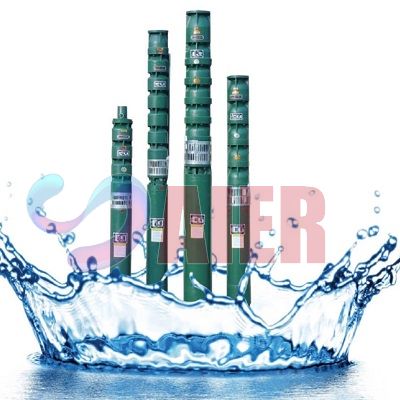
QJ су асты насосы, нигездә, тирән коедан су күтәрү һәм көчәйтү өчен кулланыла һәм ферма җирләрен сугаруда, шәһәр һәм авыл җирләрендә су агызуда, шахталарда, сәнәгать предприятияләрендә һәм су консервациясендә, сусаклагыч, фонтан, суыту системасы һәм спа һ.б. Төп үзенчәлекләр түбәндәгечә: куллану җиңел, җиңел урнаштыру, җиңел хезмәт күрсәтү, әйләнә-тирә мохитне саклау һ.б.
Су асты насос җитештерүчеләре
Без Кытайда су асты насосларын профессиональ җитештерүче. Су насосларына өстәп, без шулай ук төрле пычрак насослар, шагыл насослар, дезульфуризация насослары һ.б. белән тәэмин итәбез. коррозиягә чыдам махсус материал кастинг. Насос тышкы диаметр белән каты булырга тиеш, шуңа күрә мотор мөһере агып чыгу һәм су пычрануы кебек хәлләр килеп чыкмас.
Характеристикалар
Размер (агызу): 4 "16"
Потенциалы: 2-500м3 / с
Баш: 10м-500 м
Өй көче: 0,75-450 кВт
Материал: Чуен, Бронза, Датсыз Корыч һ.б.
AIER® QJ Submersible Pump
Куллану шартлары
Power Көч: 380В / 3 фазалы AC, 50Гц
Су сыйфаты:
A. Суның температурасы 20 belowдан түбән (югары температурага каршы тору 80 ℃)
B. Каты эчтәлек 0,01% тан ким (сыйфатка бәйле)
C. PH 6.5-8.5
D. Водород сульфидының эчтәлеге 1,15мг / лдан ким
E. Оксид ионының эчтәлеге 400мг / лдан ким
- Чумдырыла торган моторның эчке өлеше чиста су белән тулы булырга тиеш, һәм су асты насосы эшләргә тиешенчә су астында калырга тиеш.
- Чыгару тирәнлеге су насосының бәяләнгән 20% тан артмаска тиеш, кое йөзе шома һәм туры булырга тиеш.
Тип языгыз
Төп үзенчәлекләр
1. Двигатель дымлы су асты моторы. Мотор камерасы чиста су белән тутырылырга тиеш, ул двигательне суыту һәм майлау өчен кулланыла. Базада яки двигательдә көчәнешне көйләүче пленка басым аермасын көйләү өчен һәм двигательнең эчке өлешендәге су диляциясен көйләү өчен кулланыла.
2. Ком бөртекләре коедан моторның эчке өлешенә кермәсен өчен, өскә артка куелган ике мөһер майы куелган, бер ком боҗра куелган.
3. Су насосы валының сикерүенә юл куймас өчен, су насос валы һәм мотор валы кушылу белән тоташтырыла һәм двигательнең аскы өлешләренә ыргыту җайланмасы урнаштырылырга тиеш.
4. Су двигательне һәм су насосын тотып тора.
5. Суга батырыла торган моторлы чыбыклар статор әйләнеше өчен кулланыла. Шуңа күрә ул яхшы изоляцияләнә
6. rifентрифугаль этәргеч һәм вертикаль блок кертү корпусы максат = "_ буш"> су насосы өчен кулланыла һәм структурасы гади.
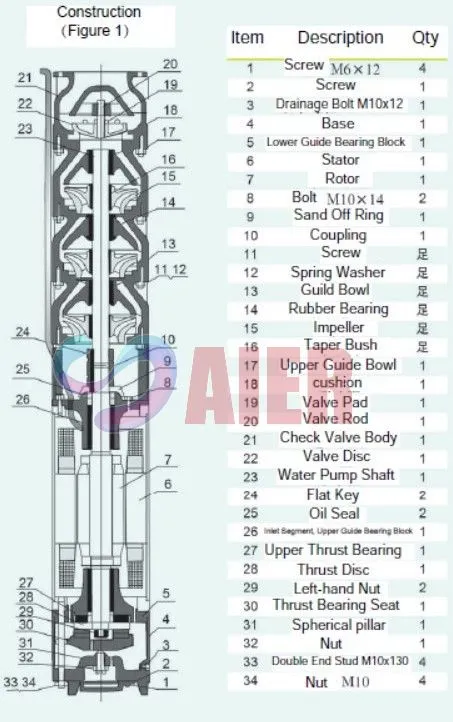
Төзелеш схемасы
QJ суга батырыла торган насос, нигездә, туклану ноктасыннан, су насосының валыннан, импеллердан, бәргеч кертү корпусыннан, резин подшипниктан, клапаннан (варианттан) һ.б. , статор, статор әйләнеше, ротор, өске белешмәлек, подшипник блок, ком боҗрасы, чыбык кабель һ.б.
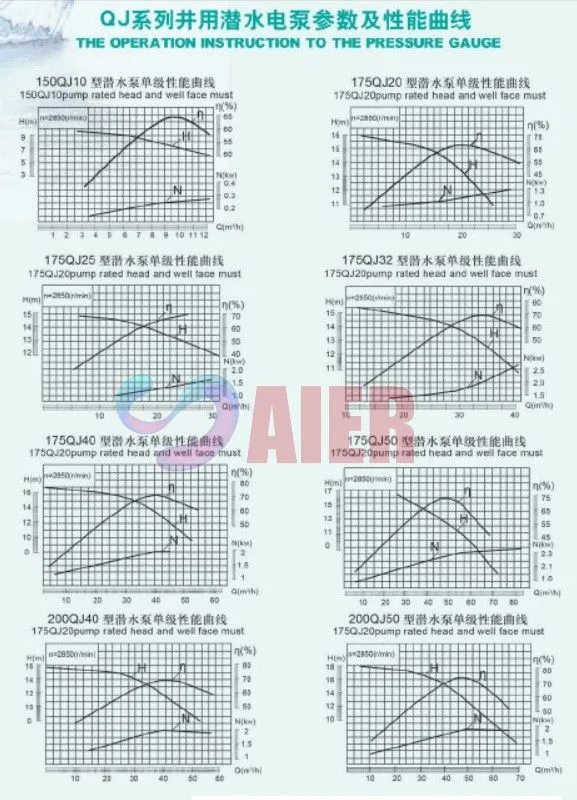
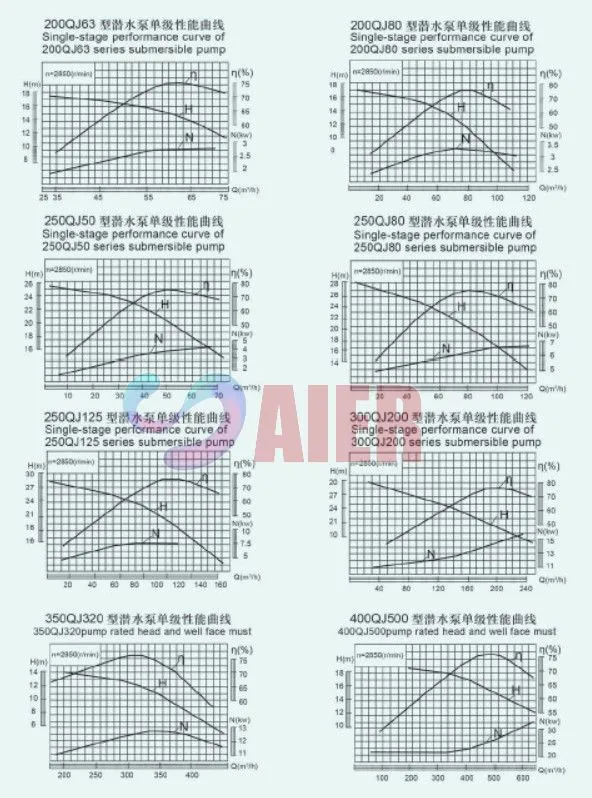
Спектакль сызыгы
Advantages of Using Submersible Water Pumps for Continuous Operation
A submersible water pump is a highly efficient and durable pumping solution designed to work entirely underwater, making it ideal for applications requiring continuous operation. Unlike surface-mounted pumps that rely on suction, a submersible pump pushes water upward through direct contact with the liquid, resulting in higher efficiency, less energy loss, and better performance in harsh environments.
One of the most significant advantages of submersible water pumps is their energy efficiency. Because they operate directly in the fluid, there is no air leakage or suction head loss, which means the pump converts more motor energy into hydraulic power. This makes submersible pumps extremely effective in deep wells, reservoirs, and dewatering systems where long-term operation is essential. Leading submersible water pump manufacturers often equip their pumps with advanced motors featuring high-efficiency windings and low energy consumption for round-the-clock operation.
Another major benefit is the quiet and vibration-free operation. Since the entire pump is submerged underwater, the surrounding fluid dampens sound and vibration. This makes submersible pumps suitable for residential, municipal, and industrial applications where noise control is important—such as building basements, urban drainage systems, and cooling water circulation.
In addition, submersible water pumps are known for their excellent anti-cavitation properties. Because they operate below the water surface, the risk of air bubbles forming at the impeller is greatly reduced. This prevents vapor lock, improves hydraulic stability, and minimizes wear on internal components. The constant immersion of the pump also ensures natural cooling for the motor, extending its service life even during extended operation.
Finally, submersible pumps are easy to install and maintain. Most modern models are designed with modular components, corrosion-resistant casings, and advanced sealing systems. This ensures long-lasting reliability in environments such as wastewater treatment, agriculture, mining, and chemical processing. When you choose a product from a reputable submersible water pump manufacturer, you can expect superior performance, reduced maintenance costs, and reliable operation—day after day.
Maintenance and Troubleshooting Tips for Submersible Water Pumps
Proper maintenance of a submersible water pump is essential for ensuring consistent performance, preventing failures, and maximizing operational lifespan. Since these pumps work entirely underwater, they must endure high pressure, varying temperatures, and possible contact with sediments or chemicals. Following a proactive maintenance plan can significantly extend the efficiency and reliability of your system.
The first step is routine inspection. Regularly check the power cable for cracks, fraying, or water ingress, as damaged insulation can cause short circuits. Next, examine the pump’s exterior for corrosion or debris buildup. Sediment accumulation can restrict water flow and reduce pump efficiency. Cleaning the suction strainer and impeller housing every few months helps maintain optimal performance.
A common issue in submersible pumps is reduced discharge flow. This can be caused by impeller wear, clogged intake screens, or partial blockage in the discharge line. If this happens, disconnect the pump, clean the impeller, and inspect for wear or imbalance. Replacing worn impellers or seals promptly prevents more serious mechanical damage.
The mechanical seal is one of the most critical components of a submersible water pump. It prevents water from entering the motor housing. Any leakage or oil contamination in the seal area indicates the need for immediate replacement. Additionally, monitor the bearing temperature and listen for unusual noises—these can signal excessive friction or bearing wear.
Leading submersible water pump manufacturers recommend checking motor insulation resistance periodically to prevent electrical faults. For pumps used in wastewater or industrial environments, schedule quarterly performance tests to track flow, head, and power consumption. If overheating occurs, it could be due to low voltage or excessive solids in the fluid; cleaning the pump and verifying electrical connections typically resolves these problems.
By maintaining your submersible water pump properly—keeping it clean, well-lubricated, and regularly inspected—you can reduce downtime, prevent costly repairs, and ensure reliable operation for years, even in continuous-use applications.
Key Features of High Quality Submersible Water Pumps
A high-quality submersible water pump is engineered for durability, efficiency, and versatility, making it suitable for use in various industries including construction, mining, agriculture, and wastewater management. Understanding the key features that define a superior submersible pump can help users select the best equipment for long-term operation.
The most important feature is robust material construction. Reputable submersible water pump manufacturers use stainless steel, cast iron, or high-chrome alloys to ensure resistance to corrosion, abrasion, and chemical attack. These materials protect the pump body and impeller from harsh conditions such as sewage, slurry, or seawater exposure. A well-built submersible pump can operate continuously even in environments with high sediment or chemical content.
Another key aspect is the advanced mechanical sealing system. Double mechanical seals made of silicon carbide or tungsten carbide prevent leakage and protect the electric motor from water intrusion. Combined with oil-filled motor chambers for cooling and lubrication, these systems ensure long-lasting reliability and smooth operation.
Efficiency is also a hallmark of a top-tier submersible water pump. Precision-engineered impellers and high-efficiency motors minimize energy consumption while delivering consistent flow and head performance. Built-in overload protection and thermal sensors help prevent damage from overheating or voltage fluctuations, ensuring safety in continuous-use environments.
In addition, modern submersible pumps feature modular and service-friendly designs. Easy-to-remove components allow for quick maintenance without dismantling the entire system, reducing downtime. Anti-clog impeller designs and self-cleaning flow channels further enhance reliability, especially in wastewater or industrial slurry applications.
Finally, certified submersible water pump manufacturers perform rigorous quality control and performance testing to guarantee every unit meets global efficiency and safety standards. When you choose a high-quality submersible pump, you’re investing in a machine that provides stable output, reduced maintenance costs, and decades of dependable operation across multiple industries.
Продукция категорияләре
-
WA Авыр йөкле насос
-
WG High Head Slurry Pump
-
WL җиңел йөкле насос
-
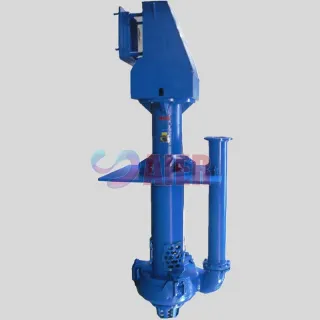
WY Насос
-
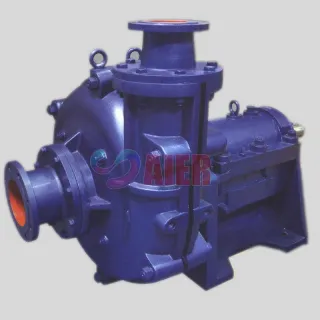
WZ югары эффективлык насосы
-
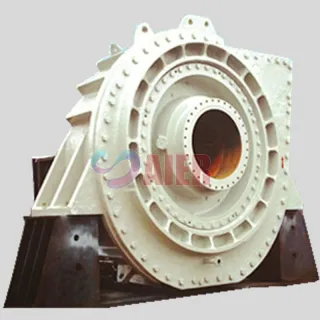
WN Dredge Pump
-
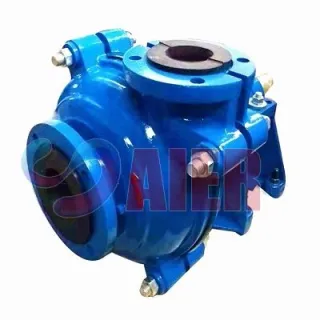
WAJ каучук насос
-
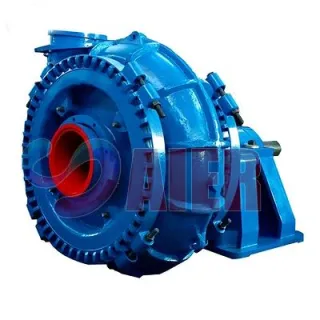
WS, WSG Шагыл ком насосы
-
WS, WSH чишелеш насосы
-
WY Насос
-
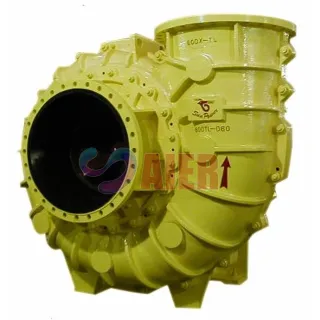
TL, TLR FGD Насос
-
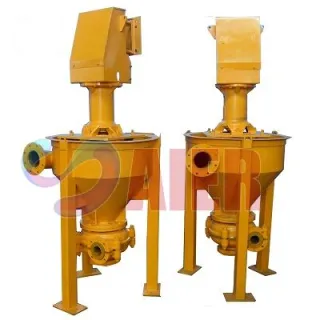
WP вертикаль суыргыч насос
-
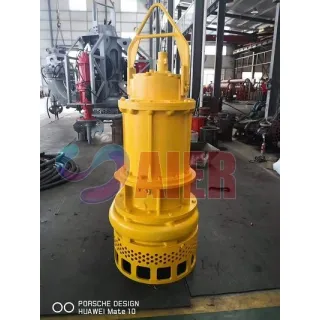
ZJQ суга батырыла торган насослар
-
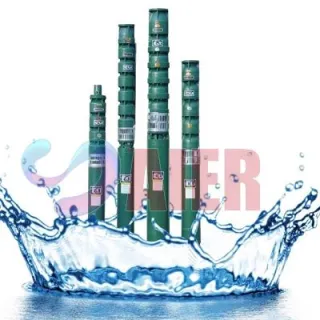
QJ Су асты насосы
-
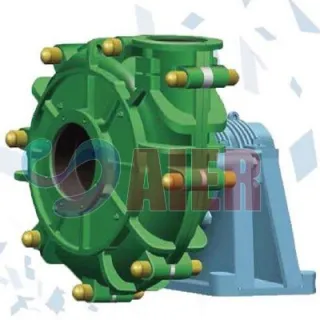
ACT (ZCT) керамик пычрак насослар
-
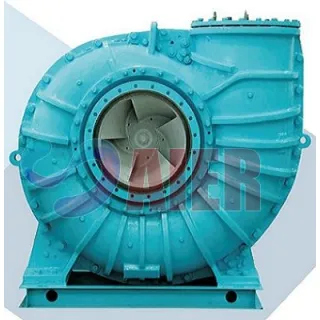
BCT керамик пычрак насослары