QJ POTOPNA ČRPALKA
Opis izdelka
Splošen opis
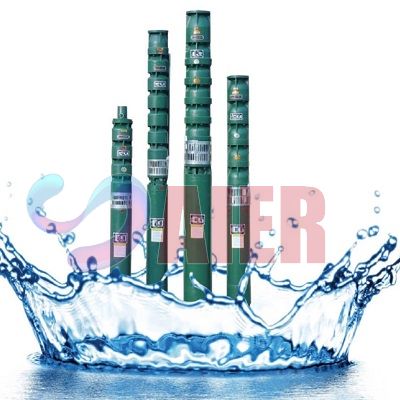
Potopna črpalka QJ se v glavnem uporablja za prenašanje vode iz globokih vodnjakov in pospeševanje ter se pogosto uporablja pri namakanju kmetijskih zemljišč, odvajanju vode v mestnih in podeželskih območjih ter v rudnikih in industrijskih podjetjih ter pri delih za ohranjanje vode, vključno z rezervoarjem, vodnjakom, hladilnim sistemom in toplicami itd. Glavne značilnosti so naslednje: Enostavna uporaba, enostavna namestitev, enostavno vzdrževanje, varstvo okolja itd. Prednosti: električna potapljaška črpalka, ki zbira motor in vodno črpalko, lahko deluje v vodi in je priročna za uporabo in popravilo.
Proizvajalci potopnih vodnih črpalk
Smo profesionalni proizvajalec potopnih črpalk na Kitajskem. Poleg vodnih črpalk dobavljamo tudi različne črpalke za gnojevko, črpalke za gramoz, črpalke za razžveplanje itd. V skladu z različnimi zahtevami lahko zagotovimo izdelke iz različnih materialov, kot so litje nerjavečega jekla, varjenje s stiskanjem iz nerjavečega jekla, bronasto litje, litje navadnega železa, ulitek iz posebnega materiala, odpornega proti koroziji. Črpalka mora biti stroga glede zunanjega premera, tako da ne bo prišlo do situacij, kot so puščanje tesnila motorja in onesnaženje vode.
Specifikacije
Velikost (izpust): 4" do 16"
Kapaciteta: 2-500m3/h
Vzpon: 10m-500 m
Hišna moč: 0,75-450kw
Material: lito železo, bron, nerjaveče jeklo itd
AIER® QJ Submersible Pump
Pogoji uporabe
①Napajanje: 380V/3-fazni AC, 50Hz
②Kakovost vode:
A. Temperatura vode je pod 20 ℃ (odpornost na visoke temperature 80 ℃)
B. Vsebnost trdne snovi je manj kot 0,01% (odvisno od kakovosti)
C. PH 6,5-8,5
D. Vsebnost vodikovega sulfida je manjša od 1,15 mg/l
E. Vsebnost oksidnega iona je manjša od 400 mg/l
③Notranji del potopnega motorja mora biti poln čiste vode in potopna črpalka mora varno potopiti, da lahko deluje.
④Globina vgradnje ne sme presegati 20 % nazivne višine vodne črpalke, površina vodnjaka pa mora biti gladka in ravna.
Vrsta zapisa
Glavne značilnosti
1. Motor je mokri potopni motor. Komora motorja mora biti napolnjena s čisto vodo, ki se uporablja za hlajenje motorja in mazanje ležajev. Film za uravnavanje napetosti na dnu ali motorju se uporablja za prilagajanje razlike tlaka in dilatacije vode v notranjem delu motorja, ki jo povzročajo zmerne spremembe motorja.
2. Da bi preprečili, da bi zrna peska iz vodnjaka vstopila v notranji del motorja, sta nameščena zgornji podaljšek z dvema oljnima tesniloma, ki sta nameščeni nazaj, in nameščen je en obroč za odstranjevanje peska.
3. Da preprečite preskakovanje gredi vodne črpalke, sta gred vodne črpalke in gred motorja povezani s sklopko, v spodnje dele motorja pa je treba namestiti potisni ležaj.
4. Voda maže motor in ležaj vodne črpalke.
5. Žice za navijanje potopnega motorja se uporabljajo za navitje statorja. Torej dobro izolira
6. Centrifugalni rotor in ohišje navpičnega puhala se uporabljata za target="_blank">vodno črpalko in struktura je preprosta.
Konstrukcijski diagram
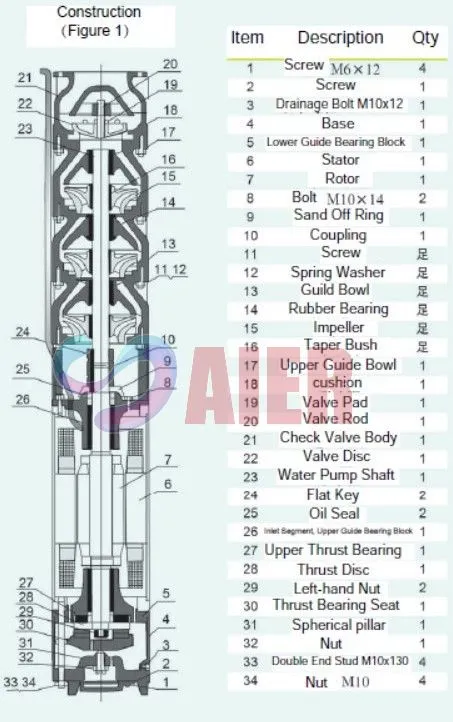
Potopna črpalka QJ je v glavnem sestavljena iz dovodne točke, gredi vodne črpalke, rotorja, vstopnega ohišja puhala, gumijastega ležaja, protipovratnega ventila (opcija) itd. Potopni motor je sestavljen iz podnožja, filma za uravnavanje napetosti, potisnega ležaja, potisnega diska, spodnjega vodilnega ležajnega bloka , stator, statorsko navitje, rotor, zgornje vodilo, ležajni blok, brusilni obroč, izhodni kabel itd.
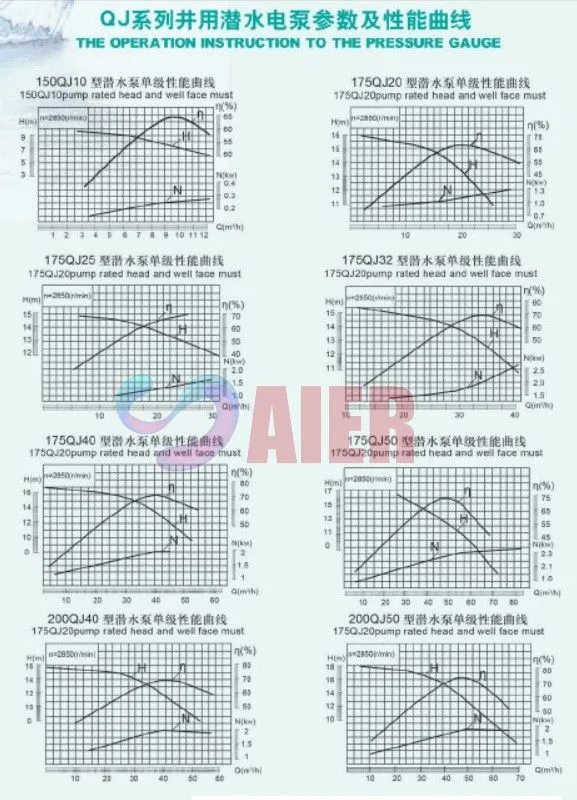
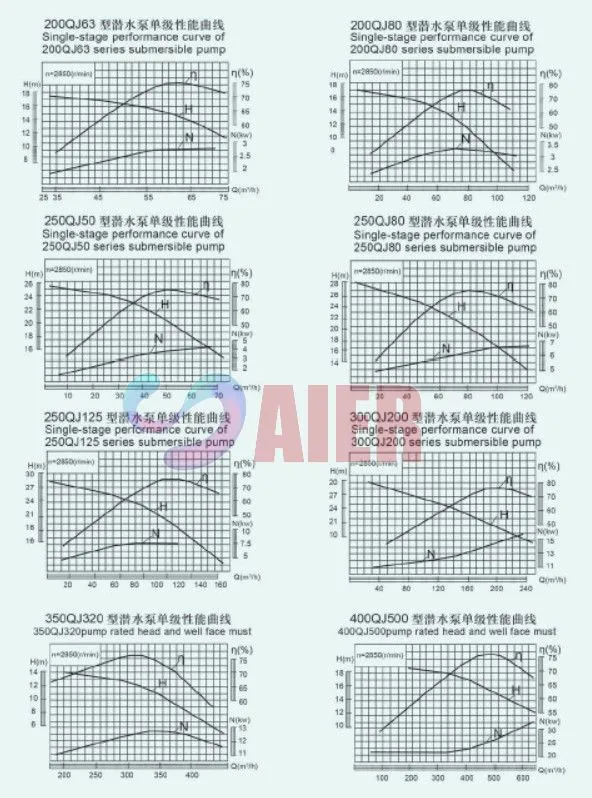
Krivulja učinkovitosti
Advantages of Using Submersible Water Pumps for Continuous Operation
A submersible water pump is a highly efficient and durable pumping solution designed to work entirely underwater, making it ideal for applications requiring continuous operation. Unlike surface-mounted pumps that rely on suction, a submersible pump pushes water upward through direct contact with the liquid, resulting in higher efficiency, less energy loss, and better performance in harsh environments.
One of the most significant advantages of submersible water pumps is their energy efficiency. Because they operate directly in the fluid, there is no air leakage or suction head loss, which means the pump converts more motor energy into hydraulic power. This makes submersible pumps extremely effective in deep wells, reservoirs, and dewatering systems where long-term operation is essential. Leading submersible water pump manufacturers often equip their pumps with advanced motors featuring high-efficiency windings and low energy consumption for round-the-clock operation.
Another major benefit is the quiet and vibration-free operation. Since the entire pump is submerged underwater, the surrounding fluid dampens sound and vibration. This makes submersible pumps suitable for residential, municipal, and industrial applications where noise control is important—such as building basements, urban drainage systems, and cooling water circulation.
In addition, submersible water pumps are known for their excellent anti-cavitation properties. Because they operate below the water surface, the risk of air bubbles forming at the impeller is greatly reduced. This prevents vapor lock, improves hydraulic stability, and minimizes wear on internal components. The constant immersion of the pump also ensures natural cooling for the motor, extending its service life even during extended operation.
Finally, submersible pumps are easy to install and maintain. Most modern models are designed with modular components, corrosion-resistant casings, and advanced sealing systems. This ensures long-lasting reliability in environments such as wastewater treatment, agriculture, mining, and chemical processing. When you choose a product from a reputable submersible water pump manufacturer, you can expect superior performance, reduced maintenance costs, and reliable operation—day after day.
Maintenance and Troubleshooting Tips for Submersible Water Pumps
Proper maintenance of a submersible water pump is essential for ensuring consistent performance, preventing failures, and maximizing operational lifespan. Since these pumps work entirely underwater, they must endure high pressure, varying temperatures, and possible contact with sediments or chemicals. Following a proactive maintenance plan can significantly extend the efficiency and reliability of your system.
The first step is routine inspection. Regularly check the power cable for cracks, fraying, or water ingress, as damaged insulation can cause short circuits. Next, examine the pump’s exterior for corrosion or debris buildup. Sediment accumulation can restrict water flow and reduce pump efficiency. Cleaning the suction strainer and impeller housing every few months helps maintain optimal performance.
A common issue in submersible pumps is reduced discharge flow. This can be caused by impeller wear, clogged intake screens, or partial blockage in the discharge line. If this happens, disconnect the pump, clean the impeller, and inspect for wear or imbalance. Replacing worn impellers or seals promptly prevents more serious mechanical damage.
The mechanical seal is one of the most critical components of a submersible water pump. It prevents water from entering the motor housing. Any leakage or oil contamination in the seal area indicates the need for immediate replacement. Additionally, monitor the bearing temperature and listen for unusual noises—these can signal excessive friction or bearing wear.
Leading submersible water pump manufacturers recommend checking motor insulation resistance periodically to prevent electrical faults. For pumps used in wastewater or industrial environments, schedule quarterly performance tests to track flow, head, and power consumption. If overheating occurs, it could be due to low voltage or excessive solids in the fluid; cleaning the pump and verifying electrical connections typically resolves these problems.
By maintaining your submersible water pump properly—keeping it clean, well-lubricated, and regularly inspected—you can reduce downtime, prevent costly repairs, and ensure reliable operation for years, even in continuous-use applications.
Key Features of High Quality Submersible Water Pumps
A high-quality submersible water pump is engineered for durability, efficiency, and versatility, making it suitable for use in various industries including construction, mining, agriculture, and wastewater management. Understanding the key features that define a superior submersible pump can help users select the best equipment for long-term operation.
The most important feature is robust material construction. Reputable submersible water pump manufacturers use stainless steel, cast iron, or high-chrome alloys to ensure resistance to corrosion, abrasion, and chemical attack. These materials protect the pump body and impeller from harsh conditions such as sewage, slurry, or seawater exposure. A well-built submersible pump can operate continuously even in environments with high sediment or chemical content.
Another key aspect is the advanced mechanical sealing system. Double mechanical seals made of silicon carbide or tungsten carbide prevent leakage and protect the electric motor from water intrusion. Combined with oil-filled motor chambers for cooling and lubrication, these systems ensure long-lasting reliability and smooth operation.
Efficiency is also a hallmark of a top-tier submersible water pump. Precision-engineered impellers and high-efficiency motors minimize energy consumption while delivering consistent flow and head performance. Built-in overload protection and thermal sensors help prevent damage from overheating or voltage fluctuations, ensuring safety in continuous-use environments.
In addition, modern submersible pumps feature modular and service-friendly designs. Easy-to-remove components allow for quick maintenance without dismantling the entire system, reducing downtime. Anti-clog impeller designs and self-cleaning flow channels further enhance reliability, especially in wastewater or industrial slurry applications.
Finally, certified submersible water pump manufacturers perform rigorous quality control and performance testing to guarantee every unit meets global efficiency and safety standards. When you choose a high-quality submersible pump, you’re investing in a machine that provides stable output, reduced maintenance costs, and decades of dependable operation across multiple industries.
Kategorije izdelkov
-
WA Težka črpalka za gnojevko
-
WG črpalka za gnojevko z visokim pritiskom
-
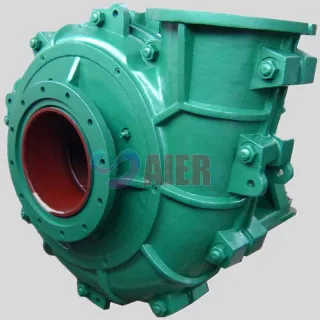
WL Lahka črpalka za gnojevko
-
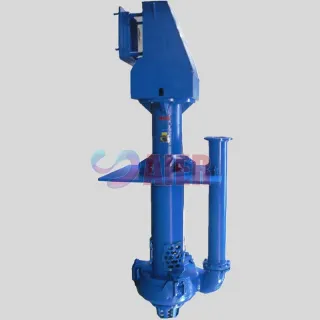
WY zbiralna črpalka
-
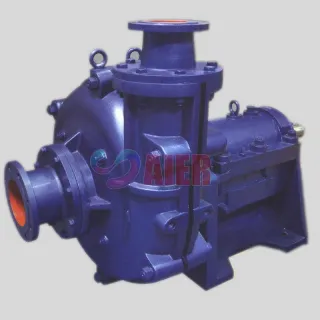
Visoko učinkovita črpalka za gnojevko WZ
-
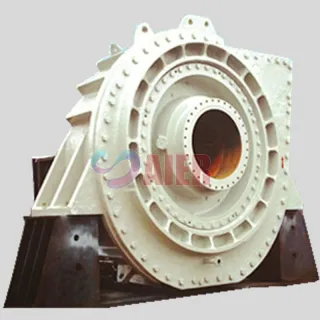
WN poglabljajoča črpalka
-
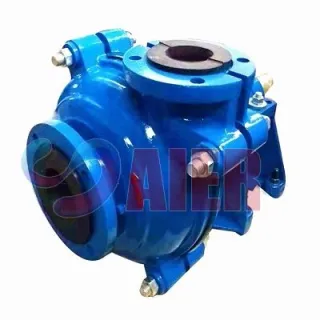
Gumijasta črpalka za gnojevko WAJ
-
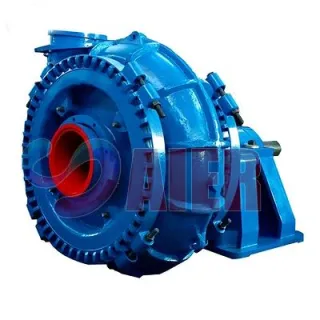
WS, WSG črpalka za gramoz in pesek
-
Črpalka za raztopino WS, WSH
-
WY zbiralna črpalka
-
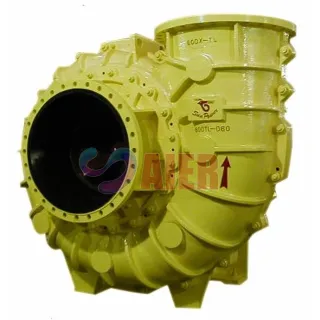
Črpalka TL, TLR FGD
-
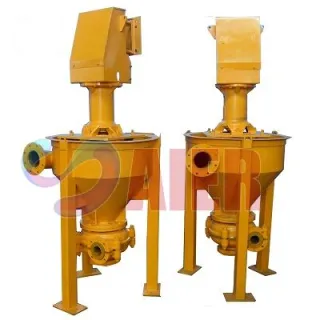
WP navpična penasta črpalka
-
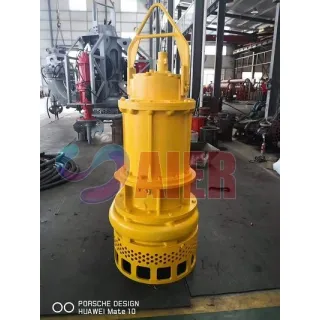
ZJQ potopne črpalke za gnojevko
-
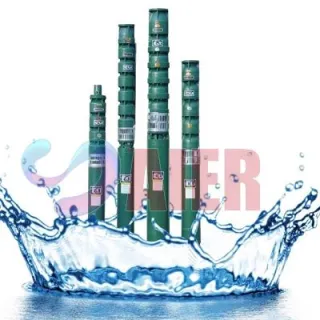
QJ POTOPNA ČRPALKA
-
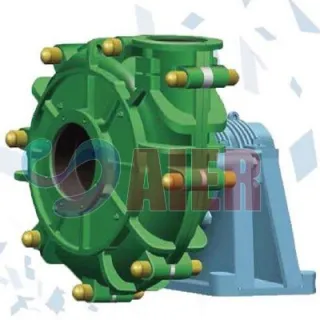
ACT (ZCT) keramične črpalke za gnojevko
-
Keramične črpalke za gnojevko BCT