د BCT سیرامیک سلری پمپونه
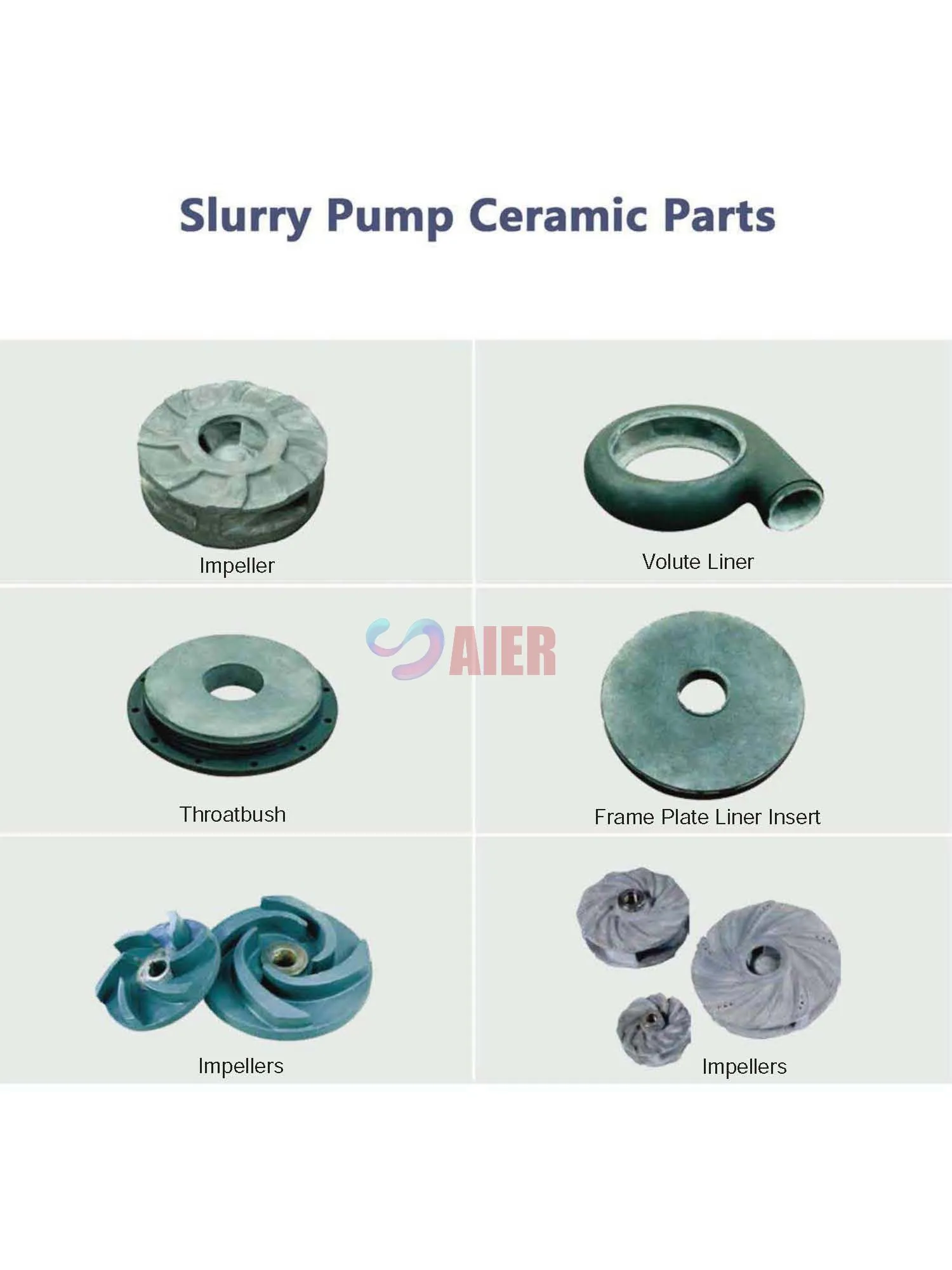
د سیرامیک پمپونو ګټې
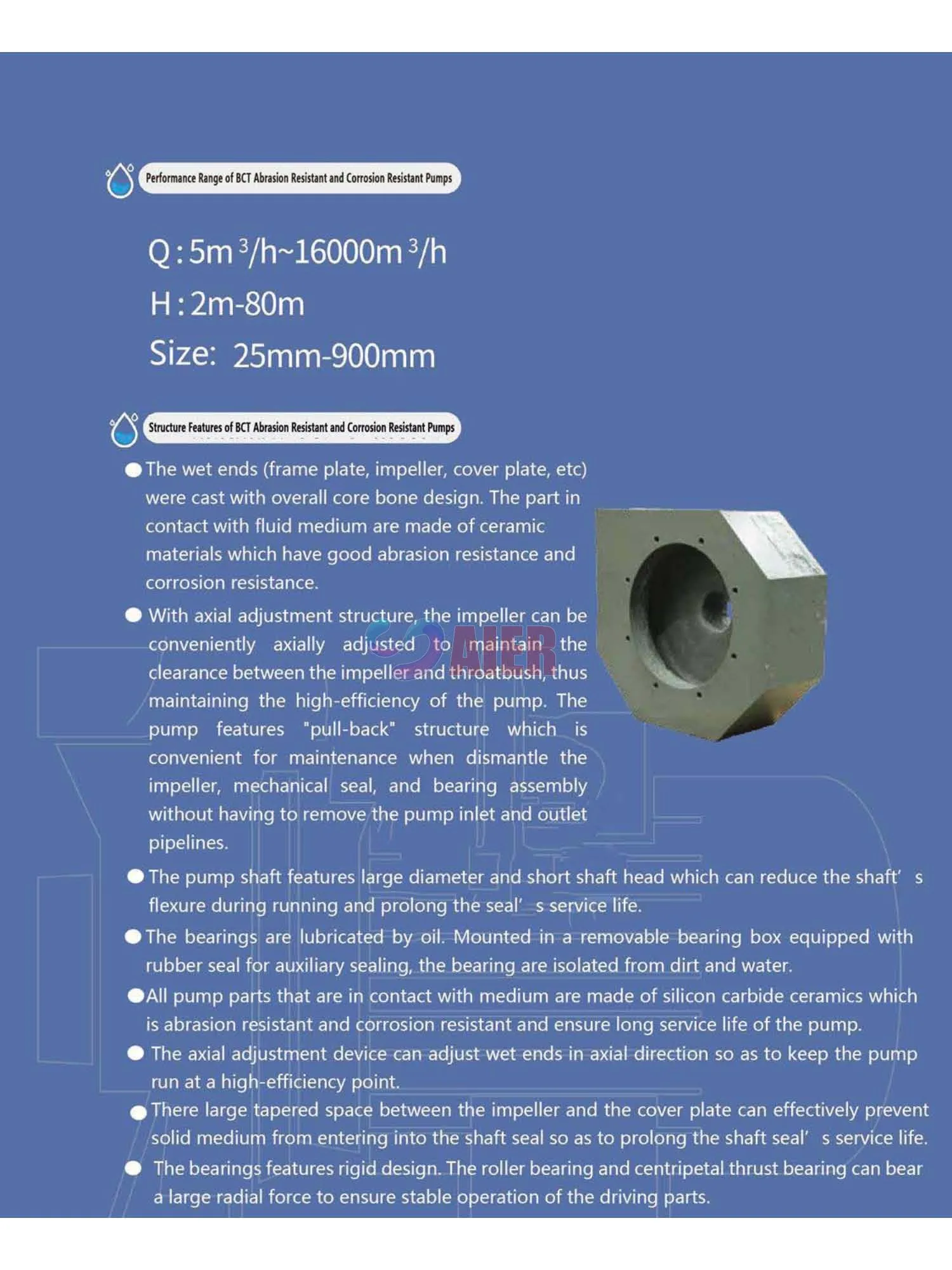
مشخصات:
اندازه: له 4 "تر 24" پورې
ظرفیت: 50-6000 m3/h
سر: 5-45 متر
د لاس رسی سولی: 0-130mm
غلظت: 0%-70%
مواد: سیرامیک
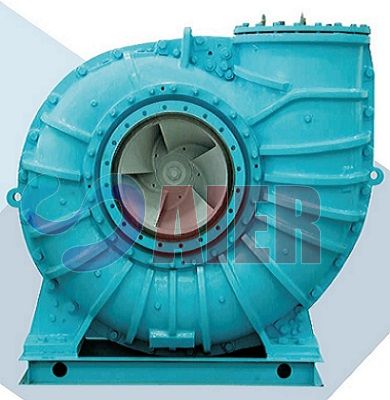
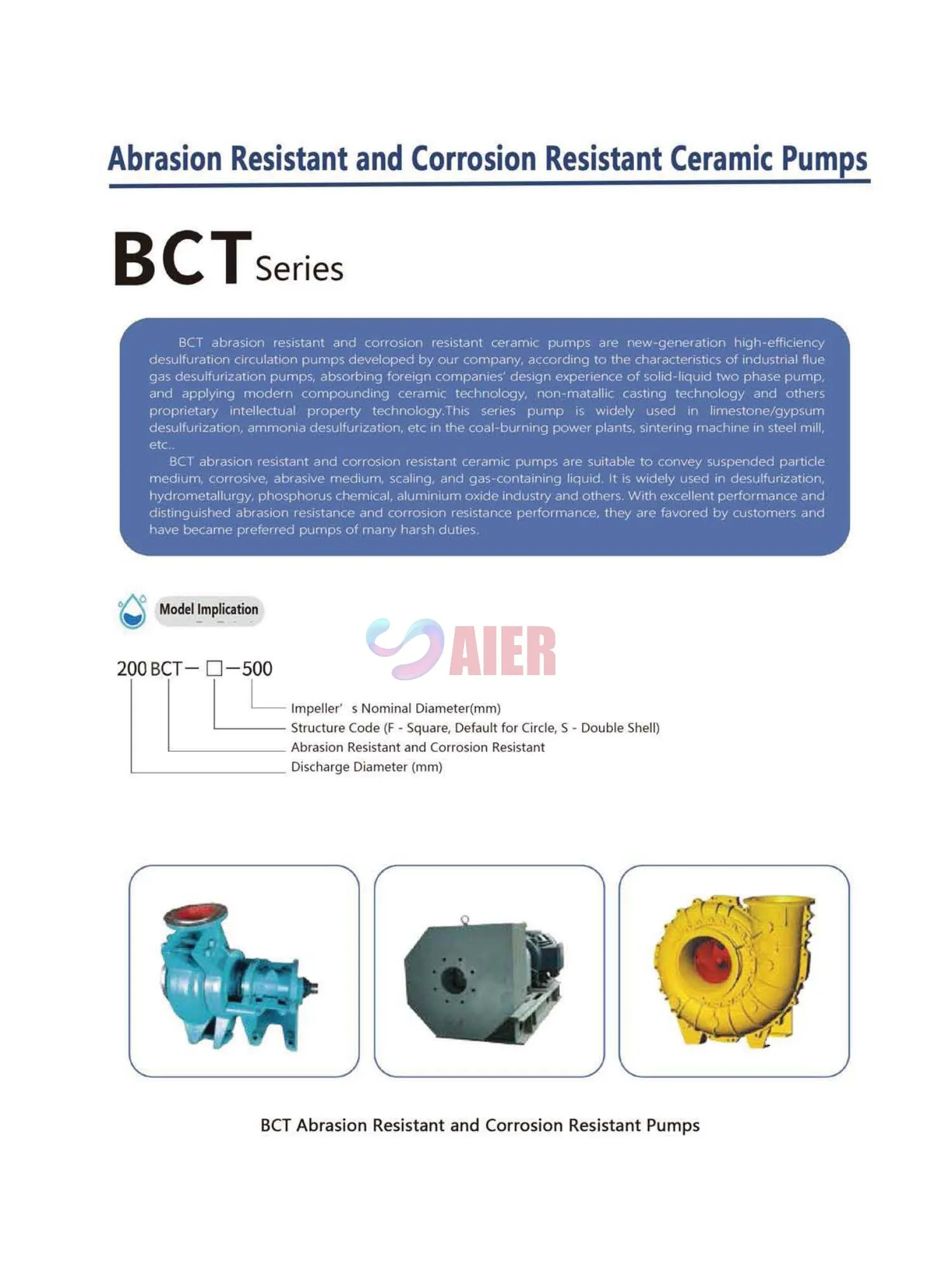
AIER® BCT Abrasion Resistant, Corrosion Reistant Ceramic Slurry Pump
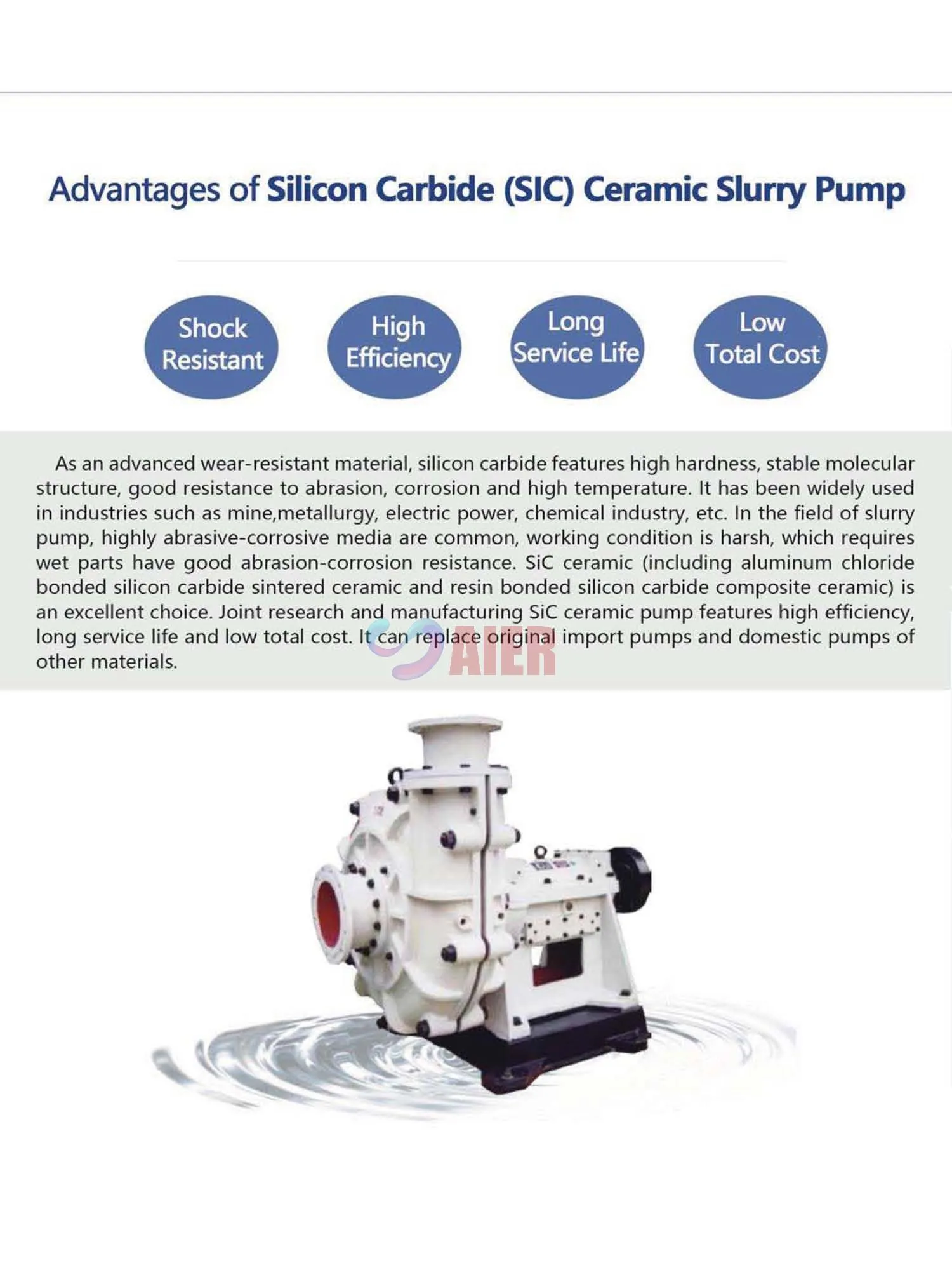
د سیلیکون کاربایډ (SIC) سیرامیک سلیري پمپ ګټې
د شاک مقاومت
لوړ موثریت
اوږد خدمت وخت
ټیټ ټول لګښت
د پرمختللي پوښاک مقاومت لرونکي موادو په توګه، سیلیکون کاربایډ د لوړ سختۍ، باثباته مالیکولر جوړښت، د خړوبولو ښه مقاومت، د تودوخې او لوړ حرارت ځانګړتیاوې لري. دا په پراخه کچه په صنعتونو لکه کان کیندنه ، فلزاتو ، بریښنایی بریښنا ، کیمیاوي صنعت او داسې نورو کې کارول کیږي. د سلری پمپ په ساحه کې ، خورا ډیر کثافاتو کونکي میډیا عام دي ، او د کار حالت خراب دی ، کوم چې د ښه خړوبولو لپاره لوند برخو ته اړتیا لري. - د اوریدو مقاومت. SiC سیرامیک (په شمول د المونیم کلورایډ بانډ سیلیکون کاربایډ سینټر شوي سیرامیک او رال بانډ سیلیکون کاربایډ مرکب سیرامیک) یو غوره انتخاب دی. د SiC سیرامیک پمپونو ګډه څیړنه او تولید لوړ موثریت ، د اوږد خدمت وخت او ټیټ ټول لګښت لري. دا کولی شي اصلي وارداتي پمپونه او د نورو موادو کورني پمپونه ځای په ځای کړي.
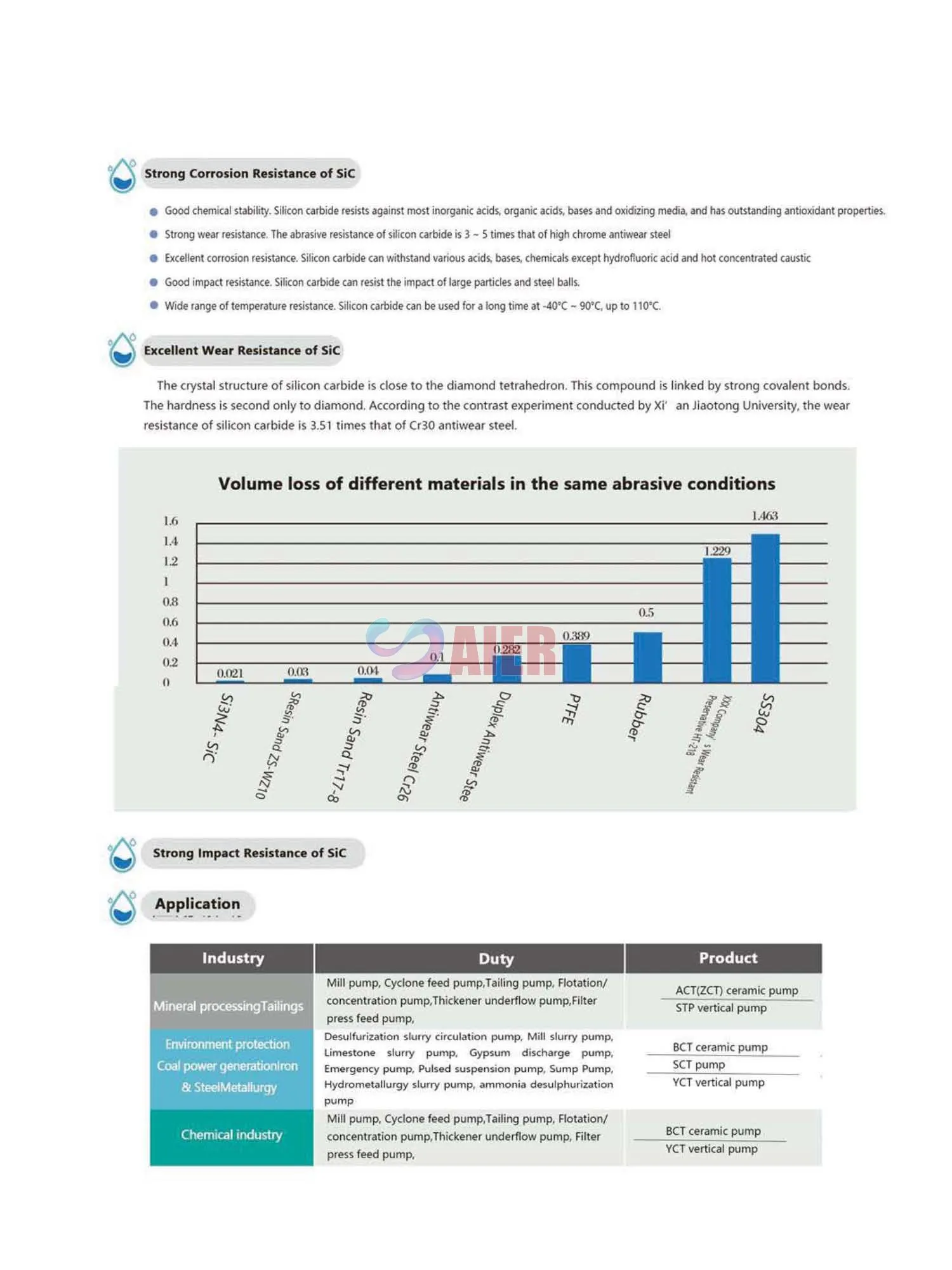
د SiC قوي سنګر مقاومت
ښه کیمیاوي ثبات. سیلیکون کاربایډ د ډیری غیر عضوي اسیدونو، عضوي اسیدونو، اډو او اکسیډیز کولو رسنیو سره مقاومت کوي.
د لباس قوي مقاومت. د سیلیکون کاربایډ د خړوبولو مقاومت د لوړ کروم ضد سټیل څخه 3 ~ 5 ځله ډیر دی
د ښه سنکنرن مقاومت. سیلیکون کاربایډ کولی شي مختلف اسیدونه ، اډې ، کیمیاوي توکي پرته له هایدروفلوریک اسید او ګرم متمرکز کاسټیک ودروي.
ښه اغیز مقاومت. سیلیکون کاربایډ کولی شي د لوی ذراتو او فولادو بالونو اغیزې سره مقاومت وکړي.
Wide range of temperature resistance. Silicon carbide can be used for a long time at -40°C ~ 90°C, up to 110°
د SiC غوره پوښاک مقاومت
The crystal structure of silicon carbide is close to the diamond tetrahedron. This compound is linked by strong covalent bonds. The hardness is second only to diamond. According to the contrast experiment conducted by Xi’an Jiaotong University, the wear resistance of silicon carbide is 3.51 times more than Cr30 antiwear steel.
د SiC قوي اغیزې مقاومت
غوښتنلیک
|
صنعت |
سټیشن |
محصول |
|
د منرالونو پروسس کول ټانګونه |
Mill pump, Cyclone feed pump, Tailing pump, Flotation/ concentration pump, Thickener underflow pump, Filer press feed pump |
ACT (ZCT) سیرامیک پمپ د STP عمودی پمپ |
|
د چاپیریال ساتنه د ډبرو سکرو بریښنا تولید د فولادو جوړول فلزات |
د سلفري کولو سلیري-سرکلینګ پمپ، د مل سلری پمپ، د لیم سیریفلکس سایکلینګ پمپ، د جپسم خارجولو پمپ، ایمرجنسي پمپ، د هایدرو میټالورجي سلری پمپ |
د BCT سیرامیک پمپ د SCT پمپ YCT عمودی پمپ |
|
کیمیاوي صنعت |
د مالګې کیمیاوي انجینرۍ ، د خورا ککړ کیمیاوي منرالونو لپاره د پروسس پمپ |
د BCT سیرامیک پمپ YCT عمودی پمپ |
د تولید ځانګړتیاوې
برخی
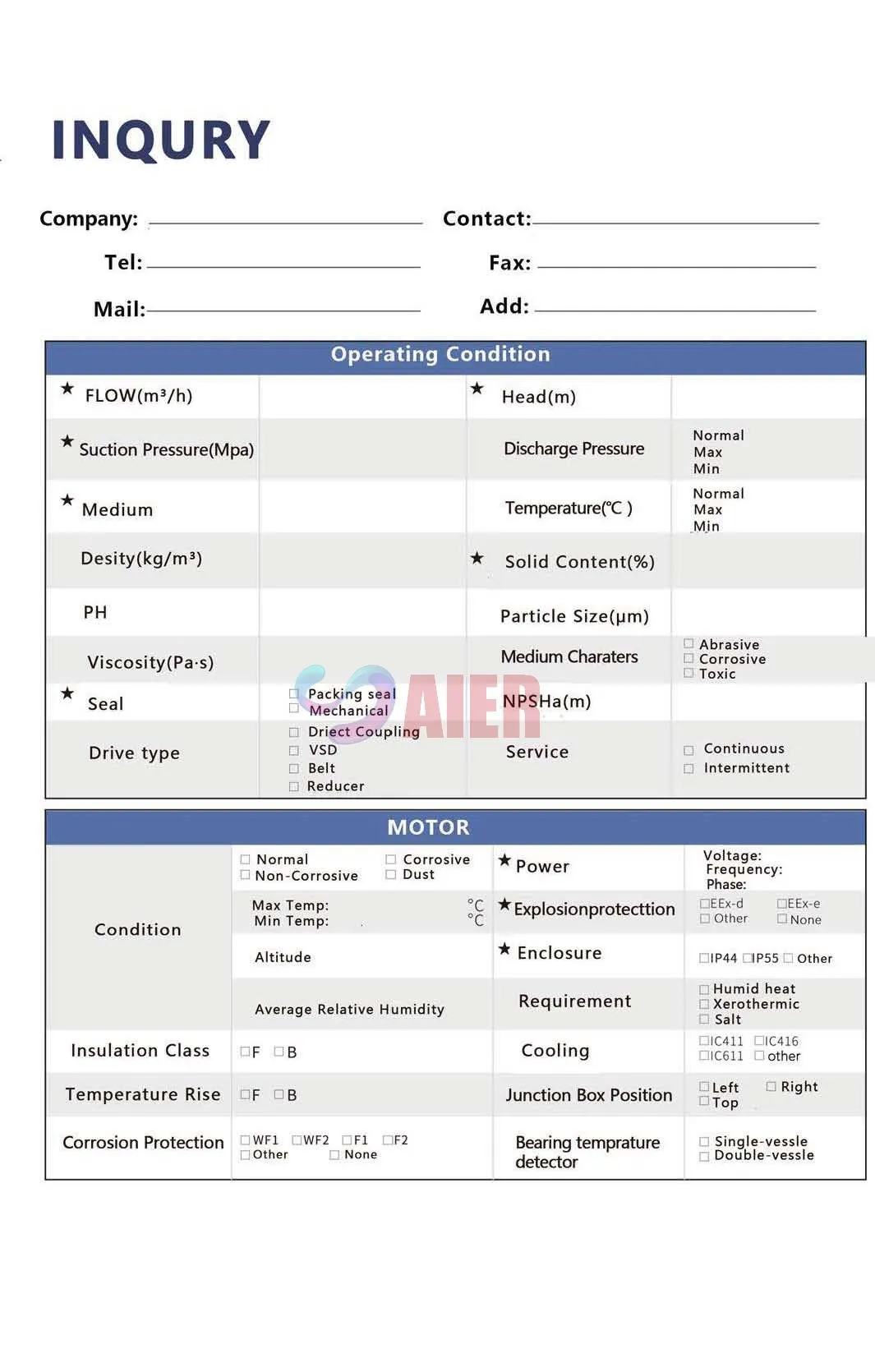
د پوښتنې فورمه
Energy Efficiency of Ceramic Slurry Pumps in Large-Scale Operations
Energy efficiency is a major concern for industrial operations, and ceramic slurry pumps offer significant advantages in this area. By reducing friction and maintaining optimal hydraulic performance, a high efficiency ceramic slurry pump can lower energy consumption while handling abrasive and corrosive slurries. This is particularly important in large-scale operations such as mining, metallurgical plants, chemical processing, and wastewater treatment, where pumps often operate continuously under demanding conditions.
The smooth, hard surfaces of ceramic components minimize internal resistance and allow slurry to flow more easily through the pump. Compared with metal or rubber-lined pumps, an energy saving ceramic slurry pump can operate at a lower power requirement without compromising flow rate or pressure. In addition, superior wear resistance reduces efficiency loss over time, as ceramic linings maintain their shape and hydraulic characteristics even after prolonged use.
Optimizing industrial slurry pump performance also involves selecting the right pump size, impeller design, and operational parameters. A well-matched pump ensures that the system operates near its best efficiency point, reducing excess energy use. Many china ceramic slurry pump manufacturers now provide computational fluid dynamics (CFD) simulations to predict hydraulic performance and energy consumption, enabling clients to choose pumps that maximize efficiency while maintaining durability.
Another factor contributing to energy savings is reduced maintenance downtime. Durable ceramic materials minimize erosion and corrosion, decreasing the frequency of repairs or replacements. Less downtime translates into continuous operation, further improving overall energy efficiency and productivity. Additionally, improved pump reliability helps industrial operators avoid overcompensation with multiple pumps running simultaneously, reducing unnecessary energy usage.
In conclusion, high efficiency ceramic slurry pumps provide an excellent solution for large-scale industrial operations looking to reduce energy costs while maintaining reliable slurry transport. By choosing an energy saving ceramic slurry pump designed to fit specific operational conditions, industries can achieve sustainable, cost-effective, and long-term operational benefits, making these pumps a preferred choice for demanding slurry handling applications.
Troubleshooting Common Issues in Ceramic Slurry Pumps
Despite their durability and high performance, ceramic slurry pumps can experience operational problems if not properly maintained or operated. Understanding ceramic slurry pump troubleshooting techniques helps industrial operators identify and resolve issues quickly, minimizing downtime and preventing costly damage. Common slurry pump problems include seal leaks, excessive vibration, reduced flow, cavitation, and unusual noise. Each of these issues can indicate underlying problems with installation, alignment, or operational conditions.
Seal leakage is one of the most frequent concerns in ceramic slurry pumps. Mechanical seals can wear due to abrasive slurry particles, misalignment, or excessive pressure. Regular inspection and timely replacement of seals and gaskets are essential. Using genuine ceramic pump spare parts ensures compatibility and prevents premature failure.
Excessive vibration and noise often indicate bearing wear, misaligned shafts, or an imbalance in the impeller. Proper installation, alignment, and lubrication of bearings are crucial. Checking for buildup in the pump casing and discharge lines can also resolve vibration issues. Reduced flow or head may result from clogged suction lines, worn impellers, or air entrainment. Periodically cleaning the pump and monitoring slurry concentration can prevent performance decline.
Another common problem is cavitation, which occurs when local pressure drops below the slurry vapor pressure. This can cause pitting on ceramic surfaces and reduce pump efficiency. Ensuring proper suction conditions and operating within design parameters can mitigate cavitation risks. Ceramic slurry pump maintenance tips include regular inspection of wear parts, monitoring operating conditions, flushing the pump after use, and maintaining correct alignment and lubrication.
By following systematic ceramic slurry pump troubleshooting and preventive maintenance practices, industrial operators can extend pump life, reduce repair costs, and maintain consistent performance. Partnering with a knowledgeable ceramic slurry pump manufacturer or supplier also ensures access to technical support, spare parts, and expert advice, enhancing overall reliability in mining, chemical, and metallurgical applications.
Innovations in Ceramic Slurry Pump Materials: Improving Wear and Corrosion Resistance
In modern industrial operations, the choice of pump materials directly impacts the efficiency, reliability, and longevity of slurry handling systems. Ceramic slurry pump materials have undergone significant innovations in recent years, enabling pumps to operate in increasingly harsh conditions. Advanced materials such as high-purity alumina, zirconia, and silicon carbide are now commonly used for critical components like impellers, liners, and throat bushes. These materials provide exceptional wear resistance and chemical stability, making them ideal for applications in mining, chemical processing, metallurgy, and wastewater treatment.
A wear resistant ceramic slurry pump offers several advantages over traditional metal or rubber-lined pumps. The high hardness of ceramic components ensures minimal abrasion when pumping slurries containing sharp or coarse particles. This reduces the frequency of replacement parts, minimizes downtime, and lowers maintenance costs. In addition, ceramic materials are chemically inert, meaning they can handle acidic, alkaline, or otherwise corrosive slurries without degradation. This combination of mechanical strength and chemical stability makes advanced ceramics a superior choice for long-term industrial applications.
Technological improvements in advanced ceramic pump technology have also enhanced the bonding and sintering processes, ensuring stronger adhesion between ceramic liners and metal pump bodies. This prevents cracking or detachment under high-pressure or high-velocity operations. Modern manufacturing techniques also allow for precision shaping of ceramic components, optimizing hydraulic performance and reducing energy losses. By maintaining smooth surfaces and tight tolerances, these pumps operate more efficiently and quietly while extending service life.
Moreover, manufacturers can now customize ceramic slurry pump materials to match specific operational conditions. For example, silicon carbide can be selected for extremely abrasive slurries, while zirconia is ideal for applications involving strong chemical corrosion. By leveraging these material innovations, industrial operators can improve pump reliability, reduce operating costs, and maintain consistent performance even in highly challenging environments.
In summary, innovations in ceramic slurry pump materials have revolutionized industrial slurry handling. Through the use of high-quality alumina, zirconia, and silicon carbide, combined with precision manufacturing and advanced sintering techniques, wear resistant ceramic slurry pumps deliver enhanced durability, chemical resistance, and efficiency. These advancements ensure that industries can meet operational demands while minimizing maintenance, downtime, and overall costs.
د محصولاتو کټګورۍ
-
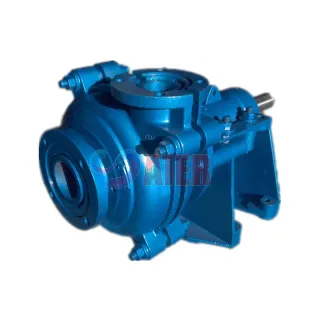
WA د درنې دندې سلیري پمپ
-
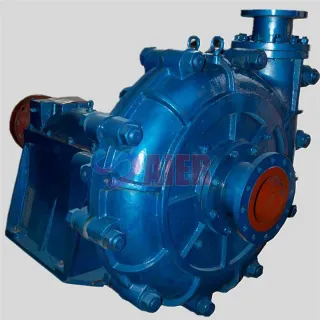
د WG لوړ سر سلری پمپ
-
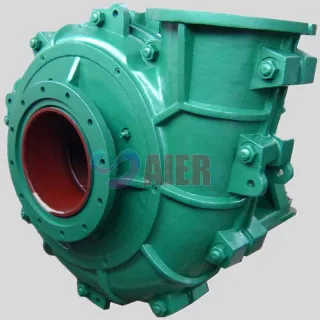
د WL ر lightا ډیوټ سلیري پمپ
-
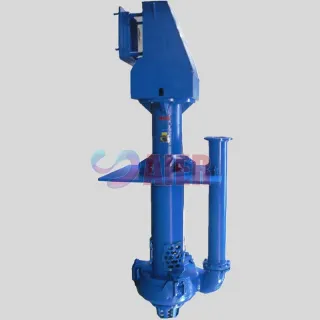
د WY سمپ پمپ
-
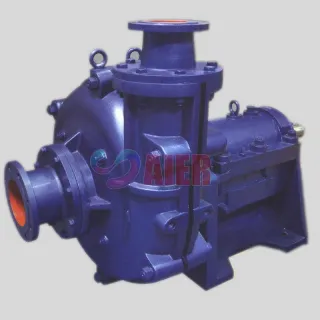
WZ د لوړ موثریت سلری پمپ
-
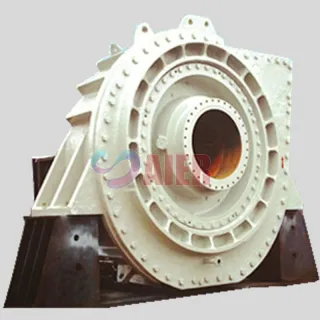
د WN ډریج پمپ
-
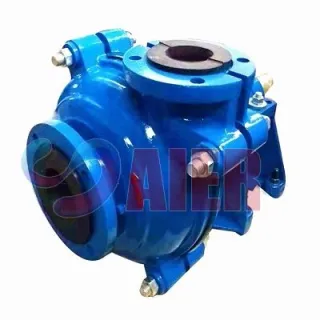
د WAJ ربړ سلری پمپ
-
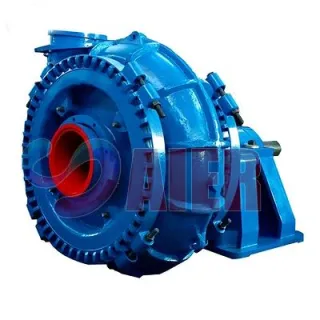
WS، WSG جغل شګه پمپ
-
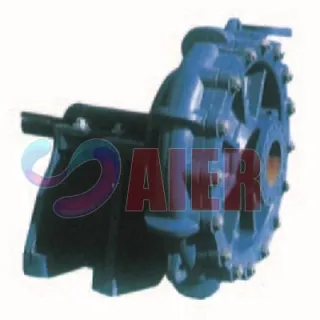
WS، WSH حل پمپ
-
د WY سمپ پمپ
-
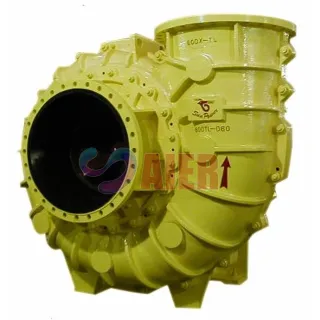
TL، TLR FGD پمپ
-
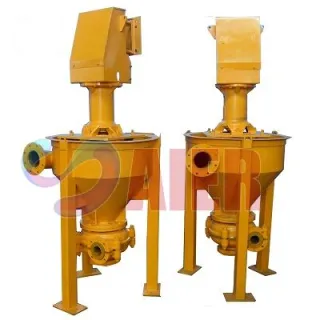
د WP عمودی فروت پمپ
-
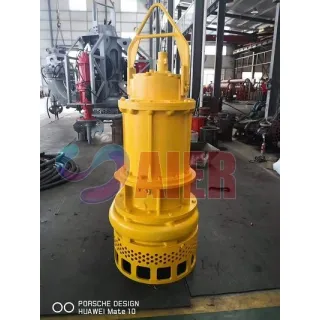
ZJQ Submersible Slurry پمپونه
-
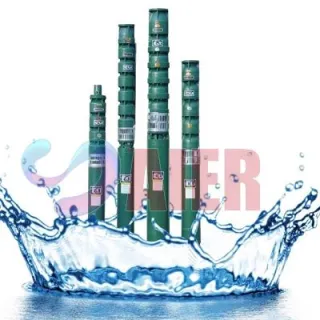
QJ Submersible PUMP
-
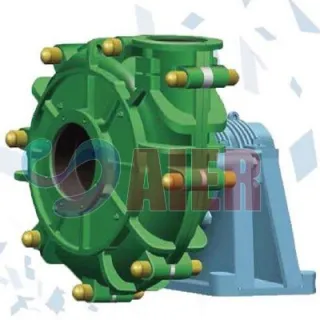
ACT (ZCT) د سیرامیک سلیري پمپونه
-
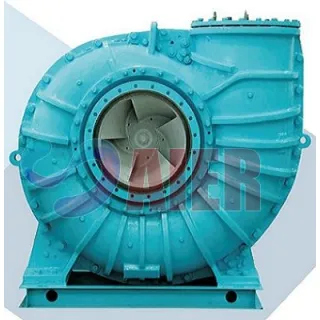
د BCT سیرامیک سلری پمپونه