Mar . 26, 2026 01:55 Back to list
Choosing the Right High Quality Submersible Pump Vertical for Optimal Performance
Choosing the Right High Quality Submersible Pump Vertical: A Comprehensive Guide
Selecting the ideal submersible pump for your specific needs requires careful consideration. A high quality submersible pump vertical offers numerous advantages, especially in applications involving deep wells, drainage, or industrial processes. This article will explore the key features, benefits, and factors to consider when choosing a vertical submersible pump. We'll cover different types, applications, and how to determine the right pump for optimal performance and longevity. Investing in the right pump can save you time, money, and potential headaches down the road.
Understanding Vertical Submersible Pumps
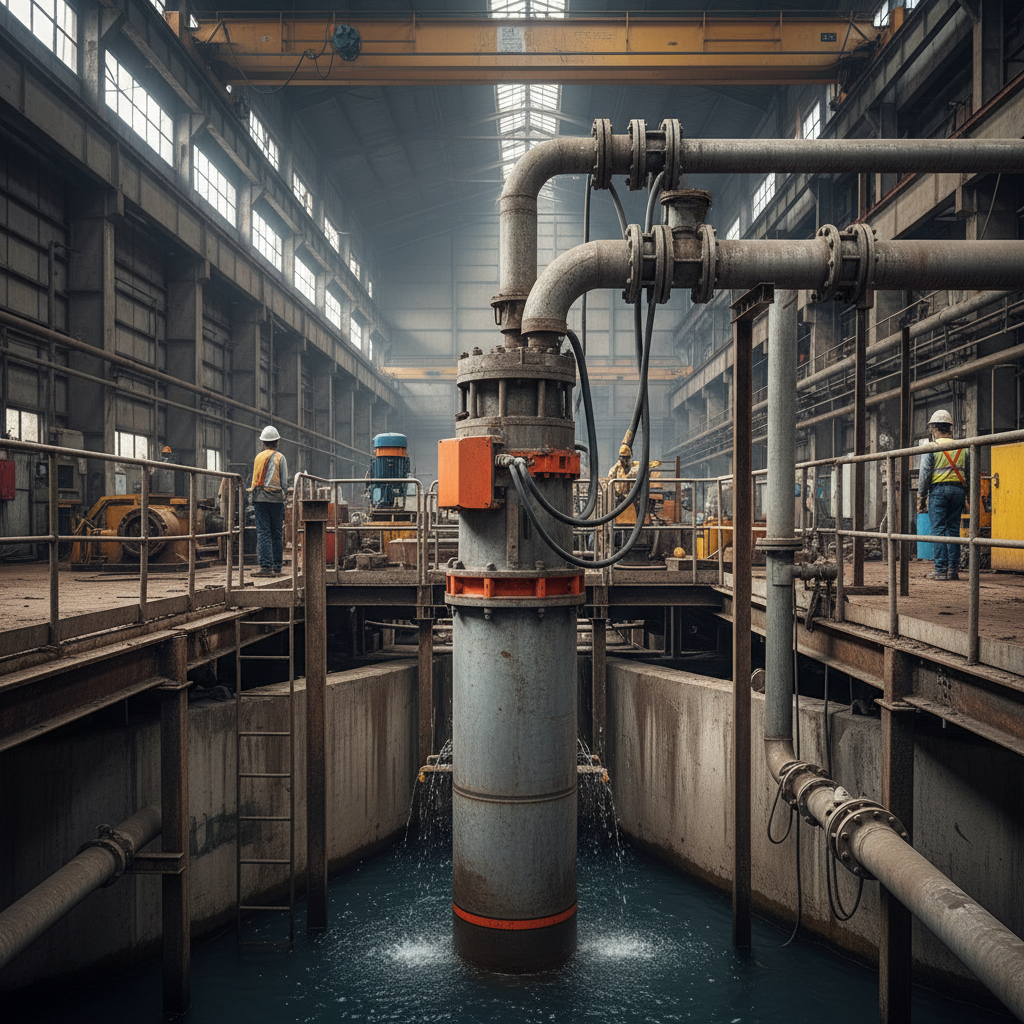
Vertical submersible pumps are designed to be immersed directly into the fluid they are pumping. This design eliminates the need for priming and offers several advantages over surface pumps, particularly in situations where suction lift is an issue. The 'vertical' configuration refers to the pump's orientation, which is ideal for deep wells and sumps where space is limited. They are commonly used in wastewater treatment, agricultural irrigation, dewatering applications, and industrial fluid transfer. A key benefit is their ability to handle solids and abrasive materials, making them suitable for demanding environments.
Key Benefits: Eliminates priming, ideal for deep wells, handles solids, reliable operation, and space-saving design.
Factors to Consider When Choosing a High Quality Submersible Pump Vertical
Several crucial factors determine the suitability of a vertical submersible pump for your application. These include the required flow rate (gallons per minute or liters per hour), the total dynamic head (TDH - the total height the pump needs to lift the fluid, including friction losses), the fluid's viscosity and composition, and any potential solids content. Furthermore, the motor's power and voltage requirements must align with your electrical system. Consider the material of construction – stainless steel is preferred for corrosive fluids, while cast iron is suitable for cleaner water. Choosing a pump from a reputable manufacturer like Aier Pumps ensures quality and reliability.
Key Considerations:
• Flow Rate
• Total Dynamic Head (TDH)
• Fluid Viscosity and Composition
• Solids Content
• Motor Power and Voltage
Types of Vertical Submersible Pumps
Vertical submersible pumps come in various configurations to suit different applications. These include grinder pumps (designed to shred solids), sewage pumps (specifically for handling wastewater), and dewatering pumps (for removing water from excavations or flooded areas). Each type is optimized for specific fluid characteristics and solids content. For example, a grinder pump incorporates a cutting impeller to break down solids, preventing clogging. Selecting the appropriate pump type ensures efficient operation and minimizes maintenance requirements. Aier Pumps offers a wide range of vertical submersible pumps to meet diverse needs.
Aier Pumps: Quality and Innovation in Submersible Pump Technology
Aier Pumps is a leading manufacturer of high quality submersible pump vertical systems, dedicated to providing reliable and efficient solutions for a wide range of industries. We utilize advanced engineering and manufacturing processes to ensure our pumps meet the highest standards of performance and durability. Our product line includes a diverse selection of vertical submersible pumps, designed to handle various fluids and applications. We pride ourselves on our commitment to customer satisfaction and offer comprehensive support services, including pump selection assistance, installation guidance, and ongoing maintenance.
Maintenance and Longevity
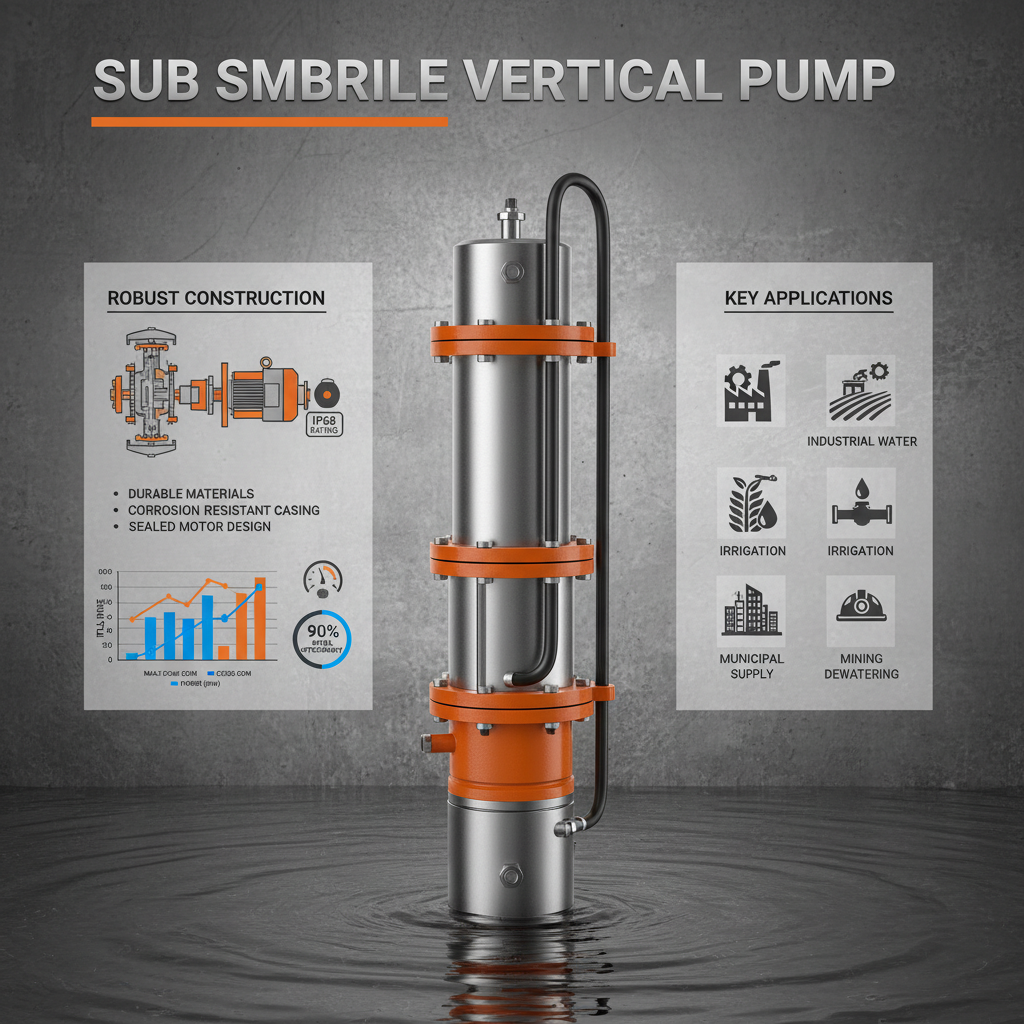
Proper maintenance is crucial for extending the lifespan of your vertical submersible pump. Regularly inspect the pump for signs of wear and tear, such as corrosion or damaged cables. Flush the pump periodically to remove any accumulated debris. Monitor the motor's performance and address any unusual noises or vibrations promptly. Following the manufacturer's recommended maintenance schedule will help ensure reliable operation and prevent costly repairs. Aier Pumps provides detailed maintenance guides and support to help you keep your pump operating at peak efficiency.
Conclusion: Investing in Reliability with Aier Pumps
Choosing a high quality submersible pump vertical is a critical investment for any operation requiring fluid transfer. Aier Pumps delivers innovative, durable, and reliable solutions tailored to your specific needs. By prioritizing quality, performance, and customer support, we ensure your pump operates efficiently and effectively for years to come. Don't compromise on performance – choose Aier Pumps for your submersible pumping needs.
Frequently Asked Questions (FAQs)
What is the typical lifespan of a vertical submersible pump?
The lifespan of a vertical submersible pump varies depending on usage conditions, fluid properties, and maintenance practices. Generally, a well-maintained pump can operate effectively for 10-15 years or longer. However, factors such as abrasive fluids, corrosive environments, and infrequent maintenance can significantly shorten its lifespan. Regular inspections, proper lubrication, and timely repairs are essential for maximizing pump longevity.
How do I determine the correct flow rate for my application?
Determining the correct flow rate involves assessing your specific application requirements. Consider the volume of fluid that needs to be transferred within a given timeframe. For example, in a dewatering application, you'll need to calculate the amount of water that accumulates over a specific period. In irrigation, the flow rate will depend on the size of the area being irrigated and the water needs of the crops. Consult with a pump specialist or use online flow rate calculators to determine the optimal flow rate for your needs.
What are the benefits of choosing a stainless steel pump?
Stainless steel pumps offer superior corrosion resistance compared to other materials like cast iron. This makes them ideal for handling corrosive fluids, such as saltwater, acids, and chemicals. Stainless steel also provides excellent durability and a longer lifespan, reducing the need for frequent replacements. While stainless steel pumps may have a higher initial cost, their long-term reliability and reduced maintenance requirements often make them a cost-effective choice.
How does Aier Pumps ensure the quality of its submersible pumps?
Aier Pumps implements a rigorous quality control process throughout the entire manufacturing process. This includes thorough material inspection, precision machining, and comprehensive performance testing. Our pumps are designed and engineered by experienced professionals, and we adhere to strict industry standards. We also offer warranties and excellent customer support to ensure your satisfaction.
-
Guide to Selecting a High Quality Dredge Pump for Sand Projects
NewsApr.16,2026
-
Buy high quality warman slurry pump spare parts for Mining
NewsApr.09,2026
-
High Quality Buy Slurry Pump For Efficient Fluid Transfer Solutions
NewsApr.07,2026
-
Choosing the Right High Quality Dredge Pump for Efficient Operations
NewsApr.04,2026
-
Maximize Efficiency with High Quality Recessed Impeller Slurry Pumps for Robust Applications
NewsMar.31,2026
-
Comprehensive Guide to High Quality Warman Slurry Pump Bearing Assembly Performance
NewsMar.28,2026