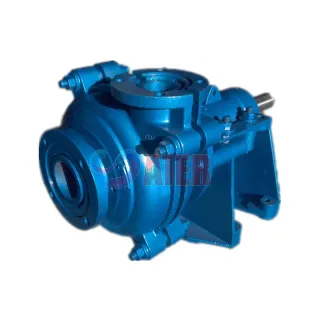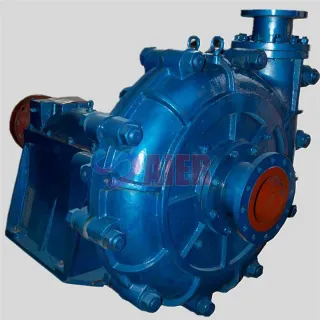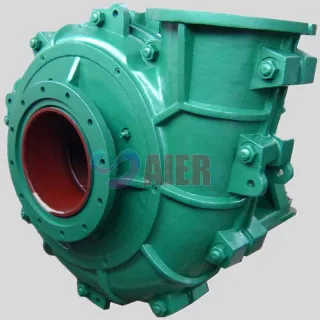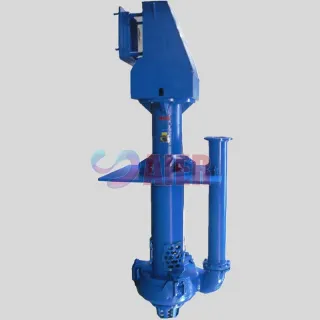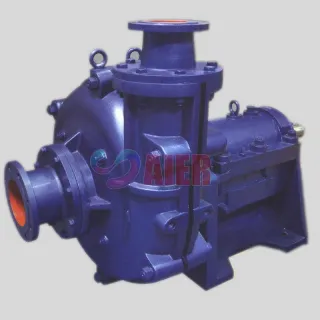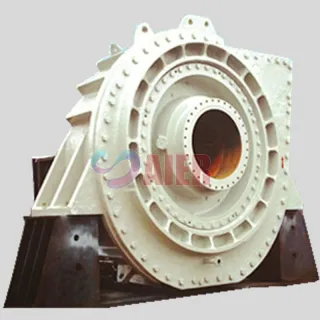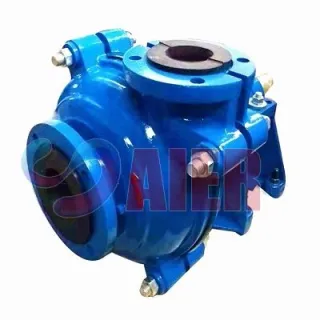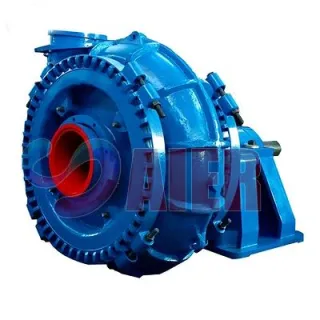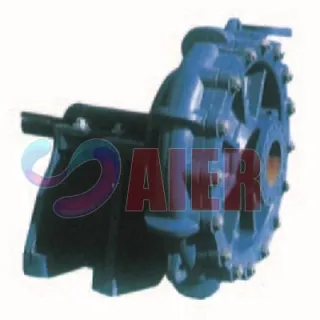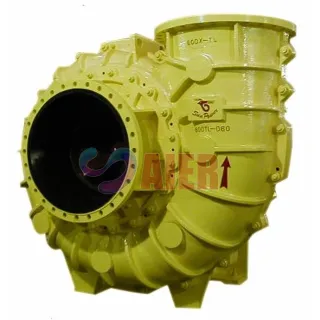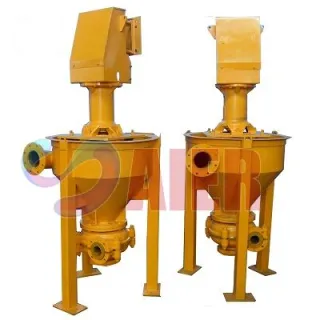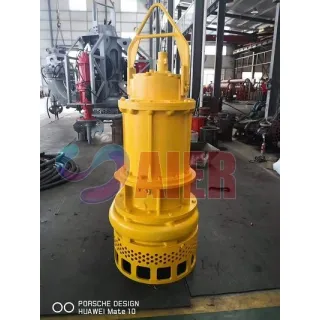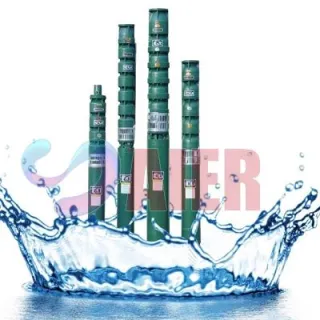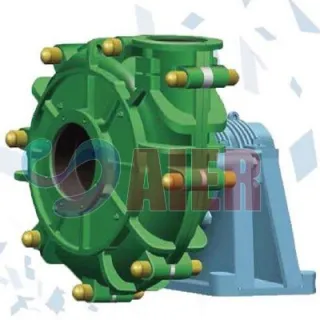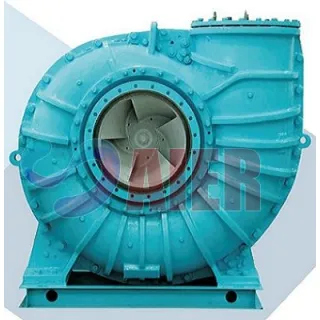
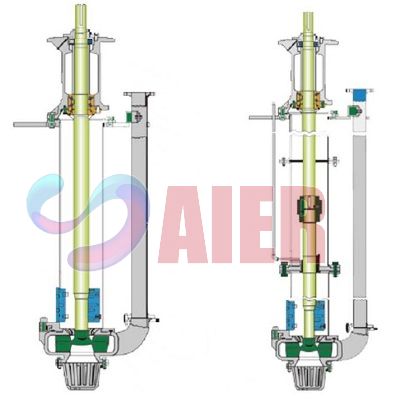
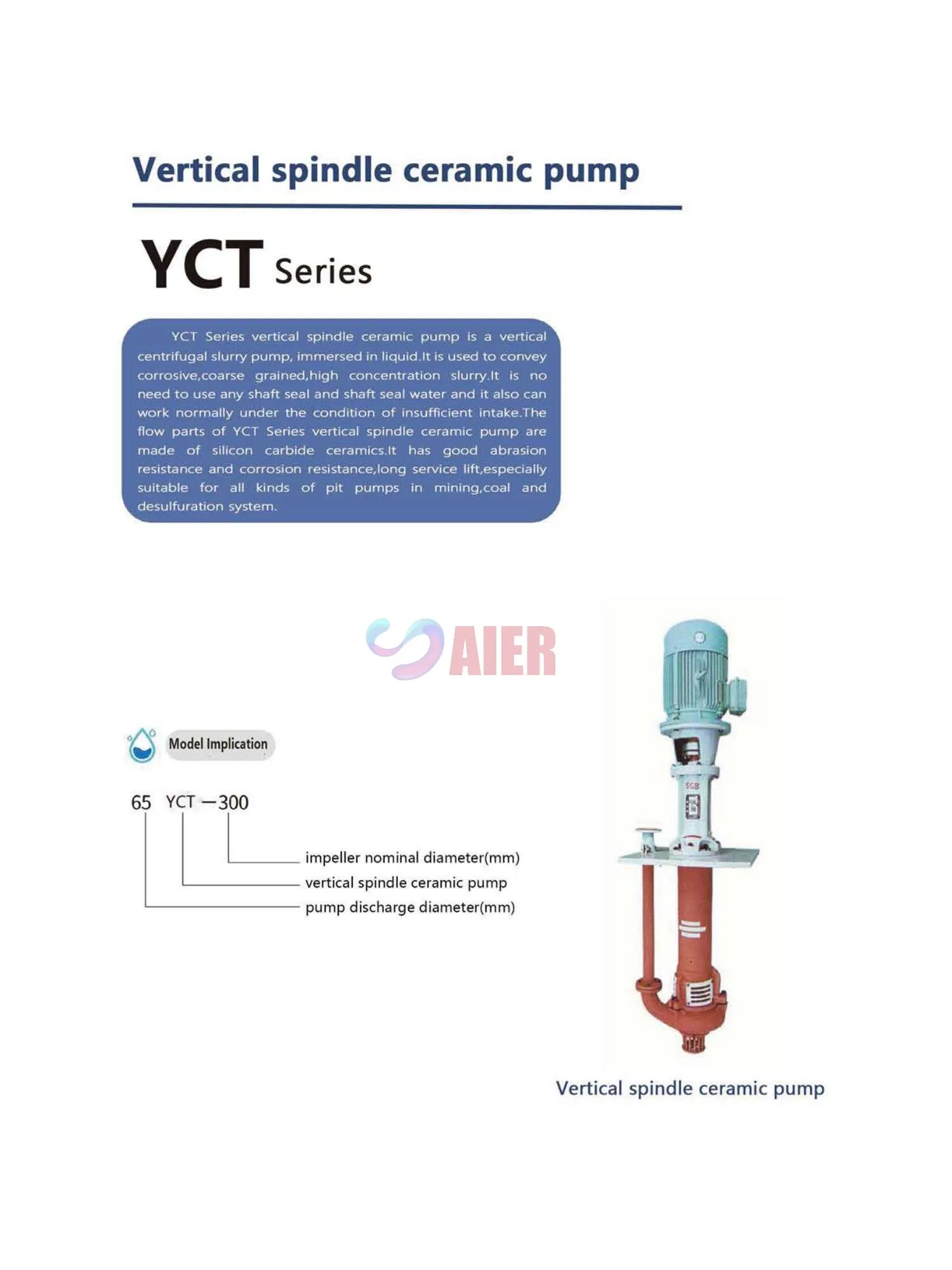
YCT立軸セラミックポンプ
セラミックポンプの利点
仕様:
サイズ: 1.5インチ~12インチ
能力: 5-1089 m3/h
水深:2~45m
ハンドリング固体: 0-70mm
集中: 0%-70%
材質:セラミック
アイエル® YCT Vertical Spindle Ceramic Slurry Pump
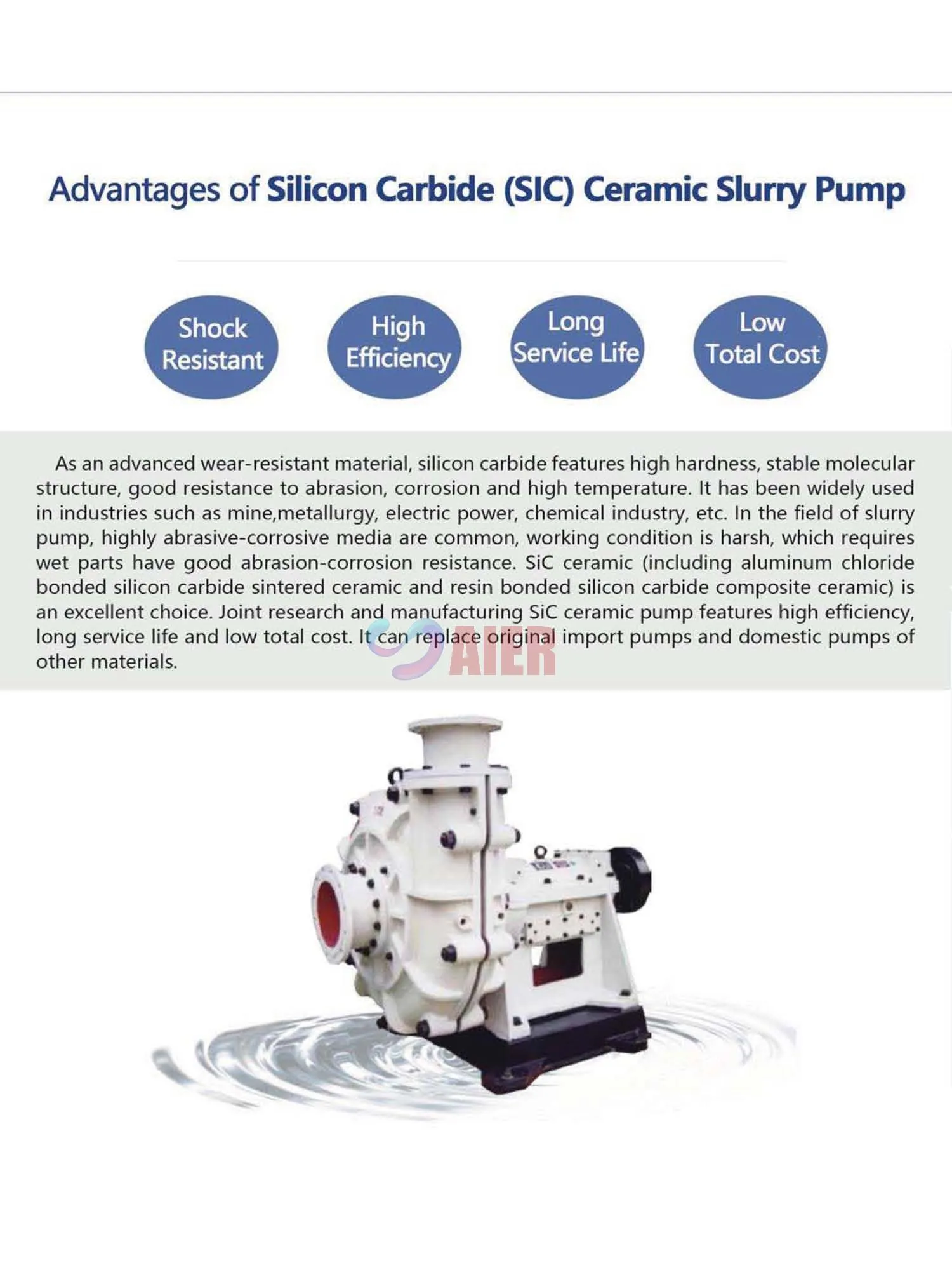
炭化ケイ素(SIC)セラミックスラリーポンプの利点
耐衝撃性
高効率
長いサービス時間
低い総コスト
高度な耐摩耗性材料である炭化ケイ素は、高硬度、安定した分子構造、耐摩耗性、耐腐食性、高温に対する優れた耐性を備えています。鉱業、冶金、電力、化学工業などの業界で広く使用されています。スラリーポンプの分野では、摩耗性、腐食性の高い媒体が一般的であり、作業条件が悪く、湿った部品に良好な摩耗性が求められます。 -耐食性。 SiC セラミック (塩化アルミニウム結合炭化ケイ素焼結セラミックおよび樹脂結合炭化ケイ素複合セラミックを含む) は優れた選択肢です。 SiCセラミックポンプの共同研究と製造は、高効率、長いサービス時間、低い総コストを特徴としています。純正の輸入ポンプや他の材質の国産ポンプと交換できます。
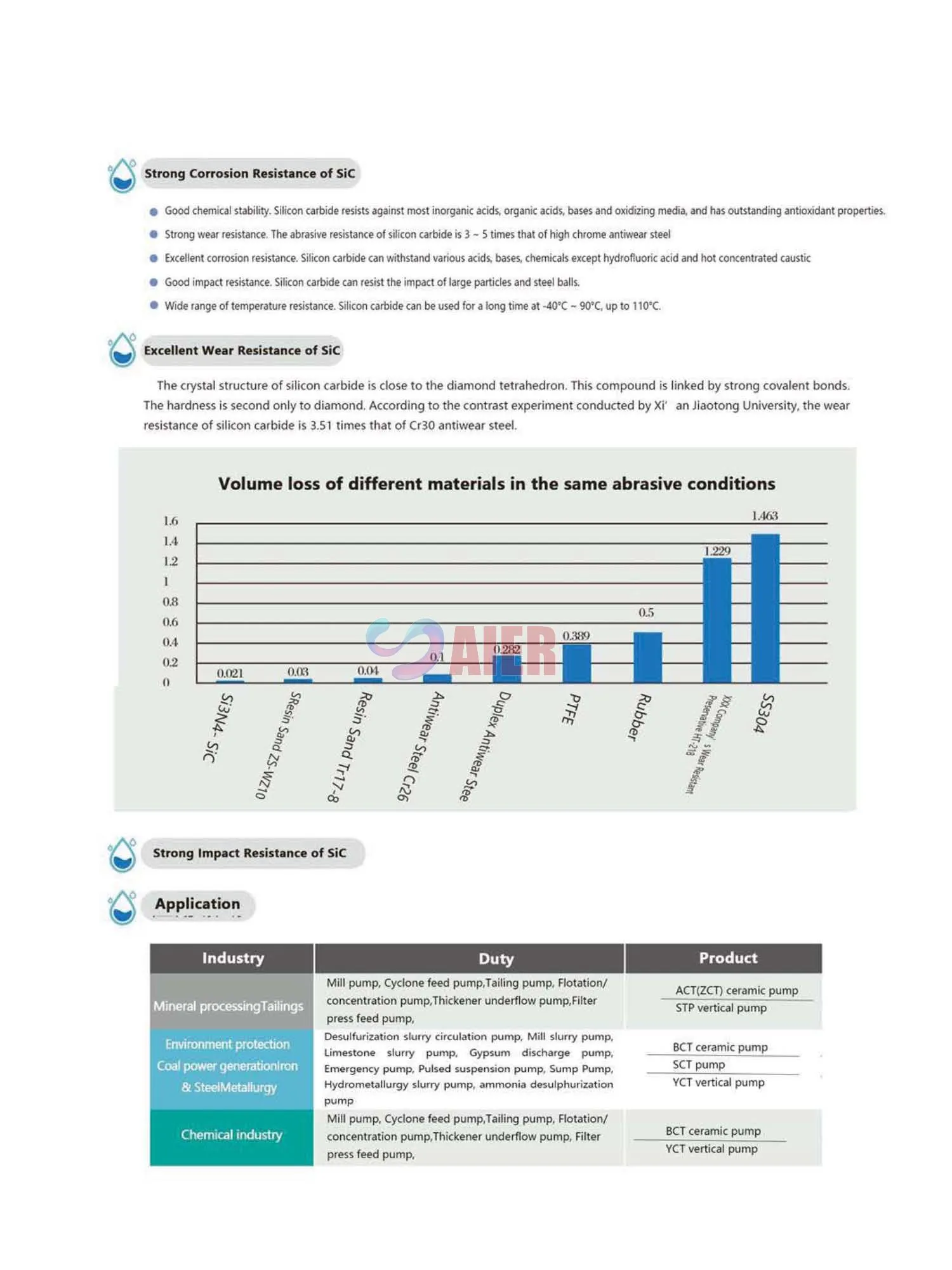
SiCの強い耐食性
化学的安定性が良好。炭化ケイ素は、ほとんどの無機酸、有機酸、塩基および酸化媒体に耐性があります。
強い耐摩耗性。炭化ケイ素の耐摩耗性は高クロム耐摩耗鋼の 3 ~ 5 倍です。
耐食性に優れています。炭化ケイ素は、さまざまな酸、塩基、フッ化水素酸および高温濃苛性アルカリを除く化学薬品に耐えることができます。
優れた耐衝撃性。炭化ケイ素は、大きな粒子や鋼球の衝撃に耐えることができます。
Wide range of temperature resistance. Silicon carbide can be used for a long time at -40°C ~ 90°C, up to 110°
SiCの優れた耐摩耗性
The crystal structure of silicon carbide is close to the diamond tetrahedron. This compound is linked by strong covalent bonds. The hardness is second only to diamond. According to the contrast experiment conducted by Xi’an Jiaotong University, the wear resistance of silicon carbide is 3.51 times more than Cr30 antiwear steel.
SiCの強い耐衝撃性
応用
|
業界 |
駅 |
製品 |
|
鉱物処理 尾鉱 |
Mill pump, Cyclone feed pump, Tailing pump, Flotation/ concentration pump, Thickener underflow pump, Filer press feed pump |
ACT(ZCT)セラミックポンプ STP立型ポンプ |
|
環境保護 石炭発電 製鋼 冶金 |
脱硫スラリー循環ポンプ、ミルスラリーポンプ、石灰セリフラックス循環ポンプ、石膏排出ポンプ、緊急ポンプ、湿式製錬スラリーポンプ |
BCTセラミックポンプ SCTポンプ YCT立型ポンプ |
|
化学工業 |
塩化学工学、腐食性の高い化学鉱物のプロセスポンプ |
BCTセラミックポンプ YCT立型ポンプ |
製品説明
特徴
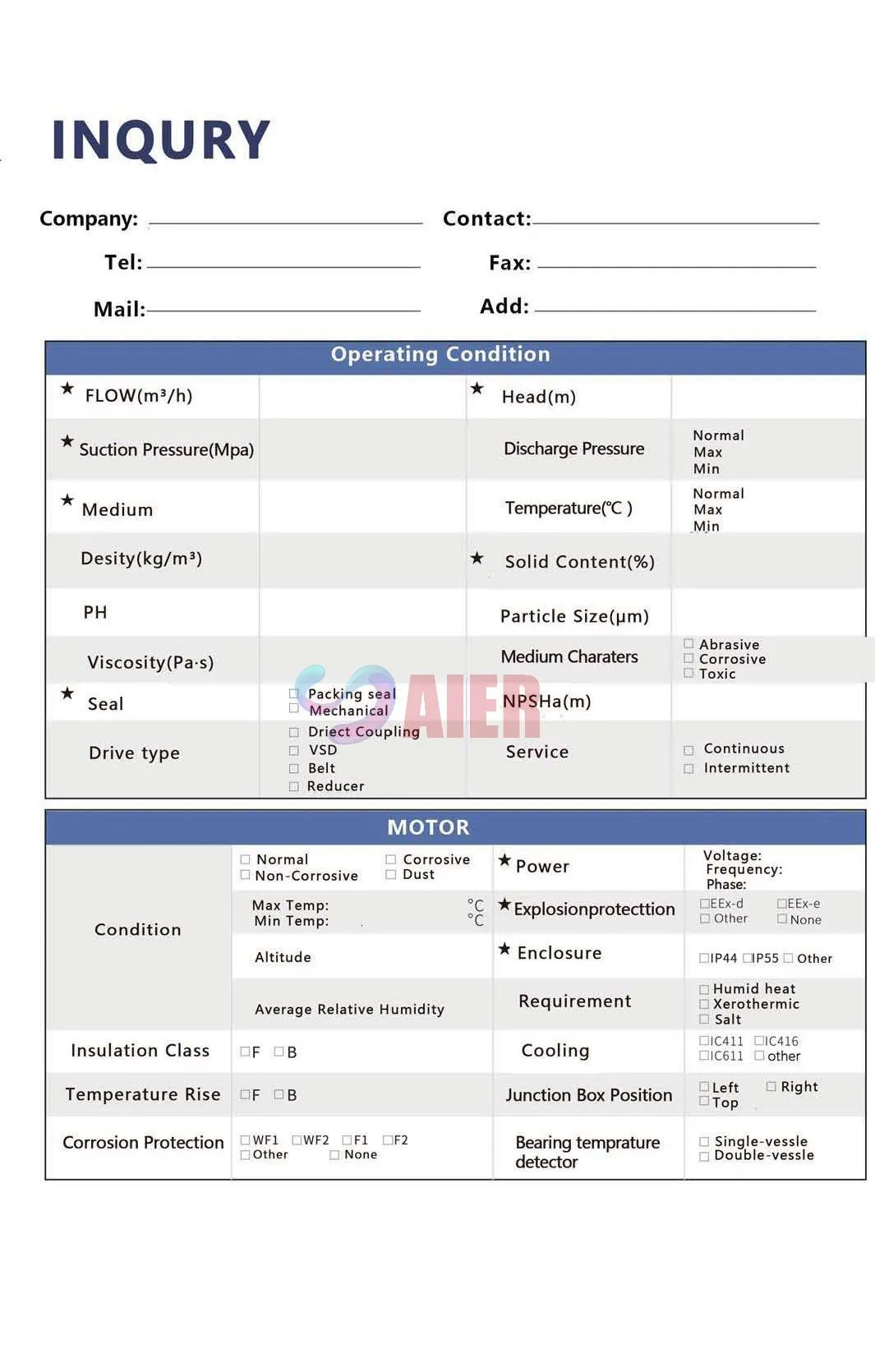
お問い合わせフォーム
How to Choose the Right Ceramic Slurry Pump for Your Project
Selecting the right ceramic slurry pump is a critical step in ensuring efficient and reliable operation in industries that handle abrasive or corrosive slurries. Proper ceramic slurry pump selection involves evaluating several key factors, including slurry flow rate, pump head, particle size, concentration, temperature, and chemical composition. Each of these parameters directly affects the pump’s performance, durability, and energy efficiency.
First, the flow rate and head requirements must match the operational needs of your system. A pump that is too small may not provide sufficient pressure, causing operational inefficiencies, while an oversized pump can lead to energy waste and premature wear. Considering slurry properties is equally important: abrasive slurries with high solid content or sharp particles require thicker ceramic linings and wear-resistant impellers to extend service life. For corrosive fluids, selecting a ceramic lined slurry pump with materials like alumina or zirconia ensures long-term chemical resistance.
Next, pay attention to the ceramic slurry pump size and configuration. The size of the pump affects suction performance, discharge velocity, and the ability to handle large solid particles. Impeller design and material thickness also influence how well the pump resists erosion and maintains efficiency. Many manufacturers, including leading China ceramic slurry pump manufacturers, provide modular designs that allow customization of impellers, liners, and wear parts to suit specific industrial applications.
It is also important to consider operational conditions such as temperature, pH, and slurry viscosity. Pumps operating outside their design parameters may experience accelerated wear, vibration issues, or seal failures. To avoid common selection mistakes, consult technical datasheets and work with reputable ceramic slurry pump suppliers who can provide recommendations based on actual site conditions and slurry characteristics.
Finally, evaluating maintenance accessibility and spare parts availability is essential. Choosing a pump with easily replaceable components ensures minimal downtime and reduces long-term operating costs. The best ceramic slurry pump balances high wear resistance, chemical stability, energy efficiency, and maintainability. By carefully analyzing these factors, companies can select the ideal pump for mining, chemical, metallurgical, or wastewater applications, ensuring reliable and cost-effective performance.
Maintenance Tips to Extend the Life of Ceramic Slurry Pumps
Proper ceramic slurry pump maintenance is essential for prolonging service life and maintaining optimal performance in harsh industrial applications. Despite the exceptional wear resistance of ceramic materials, routine inspections and correct handling of ceramic pump spare parts are crucial to prevent unexpected downtime and costly repairs.
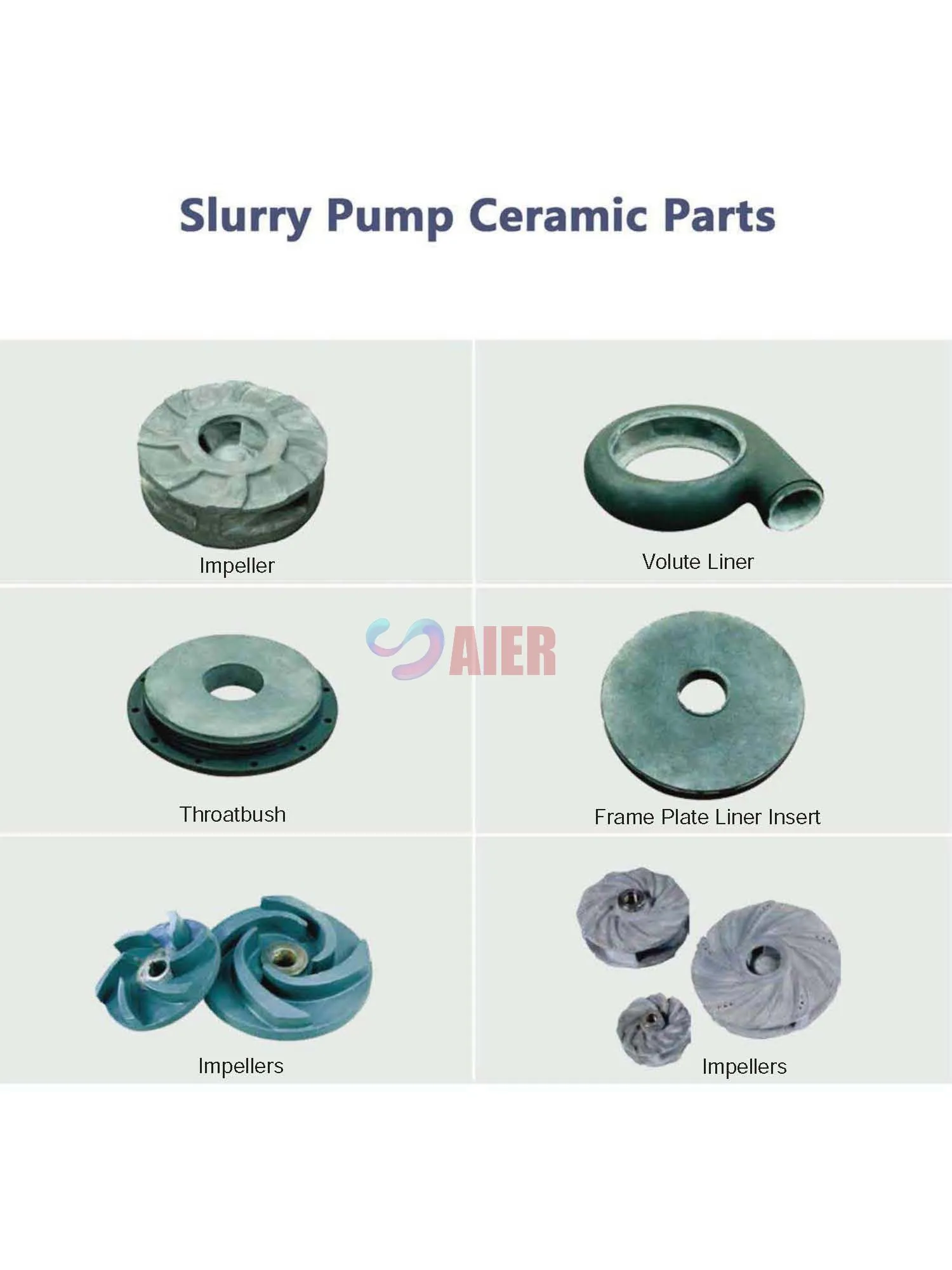
The first step in maintenance is regular visual inspection of critical components, including the impeller, liner, and throat bush. Look for signs of wear, cracking, or erosion, particularly in areas exposed to high-velocity slurry. Using genuine ceramic pump spare parts is critical, as aftermarket components may not match the original tolerances and can compromise the pump’s performance and lifespan.
Lubrication and bearing checks are also essential. Properly lubricated bearings reduce friction, prevent overheating, and minimize vibration. Regularly monitor bearing temperature and alignment to ensure smooth operation. Seal integrity is another key factor—check mechanical seals, gaskets, and packing to avoid leaks that could damage pump internals or cause environmental hazards.
It is also important to operate the pump within its designed performance curve. Running the pump under low flow, dry conditions, or excessive pressure can lead to premature wear or cracking of ceramic components. Slurry characteristics should be consistent with the pump’s design specifications, including particle size, density, and chemical composition. Adjustments to flow rate or slurry concentration may be necessary to optimize performance.
Cleaning and flushing the pump after prolonged operation or when handling corrosive slurries can further extend its service life. Removing sediment buildup prevents clogging and uneven wear. Many China ceramic slurry pump manufacturers provide detailed maintenance manuals and training to assist operators with best practices, ensuring that pumps continue to function efficiently over time.
By following these ceramic slurry pump maintenance practices—inspecting wear parts, using genuine ceramic pump spare parts, monitoring bearings and seals, and maintaining proper operating conditions—industrial operators can maximize ceramic slurry pump service life, reduce operational costs, and ensure safe, reliable slurry transfer in mining, chemical, and metallurgical applications.
Custom Ceramic Slurry Pump Solutions for Mining and Chemical Industries
In demanding industries like mining and chemical processing, standard pumps often fail to meet the specific needs of slurry transportation. This is where a custom ceramic slurry pump becomes essential. By working with a reliable ceramic slurry pump manufacturer, companies can obtain industrial slurry pump solutions tailored to their exact operational conditions, including flow rate, head, slurry density, particle size, and chemical composition. Customization ensures optimal performance, increased reliability, and extended service life, especially in harsh environments.
A key aspect of designing a custom ceramic slurry pump is selecting the appropriate ceramic material for wear parts. High-purity alumina or zirconia is commonly used to enhance abrasion resistance, while precise thickness of the ceramic lining ensures durability against highly abrasive slurries. Impeller design is another critical factor; depending on the flow rate and head, manufacturers can provide closed or semi-open impellers that optimize slurry handling efficiency and reduce turbulence.
In addition to material and design considerations, custom industrial slurry pump solutions often include modifications to suction and discharge diameters, casing shapes, and wear ring arrangements to match existing piping systems or pumping stations. Many china ceramic slurry pump manufacturers now offer modular designs, allowing clients to easily replace wear components without replacing the entire pump. This modularity reduces downtime and simplifies maintenance, which is particularly important in large-scale mining and chemical operations.
Moreover, customized pumps can be adapted for extreme temperatures, highly corrosive liquids, or variable slurry concentrations, providing a versatile solution for diverse industrial applications. Advanced engineering software is used to simulate hydraulic performance, ensuring that each custom ceramic slurry pump meets both efficiency and durability targets before manufacturing.
By leveraging custom ceramic slurry pump solutions, mining and chemical industries can achieve higher reliability, reduced maintenance costs, and longer pump life. These pumps not only handle abrasive and corrosive slurries effectively but also provide consistent operational efficiency, making them a critical component in modern industrial slurry handling systems. Choosing a reputable ceramic slurry pump manufacturer ensures that the customized solution aligns with specific operational requirements and provides long-term value.