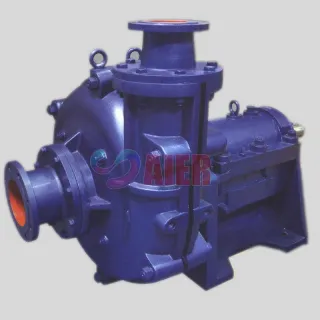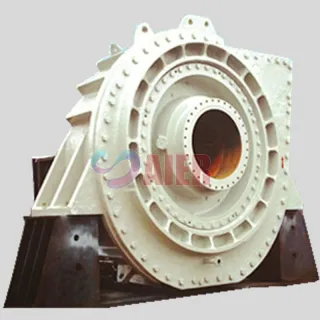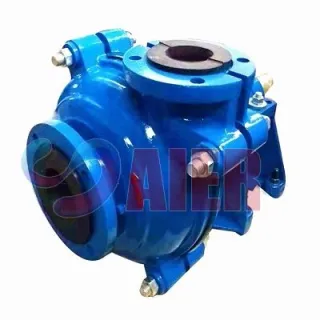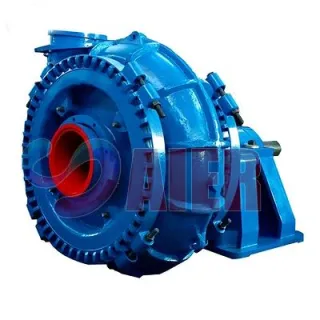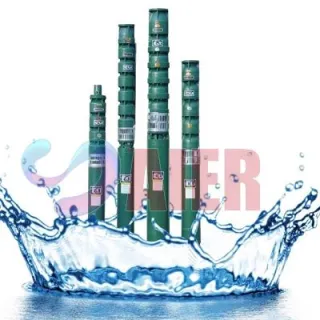
QJ水中ポンプ
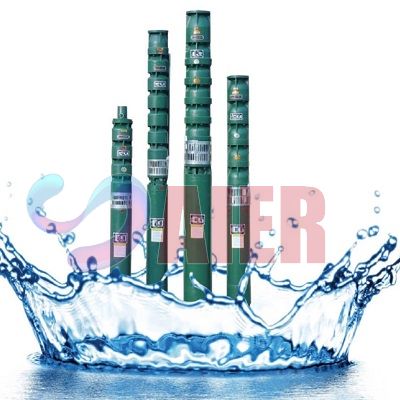
製品説明
概要
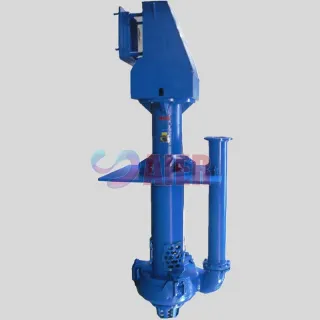
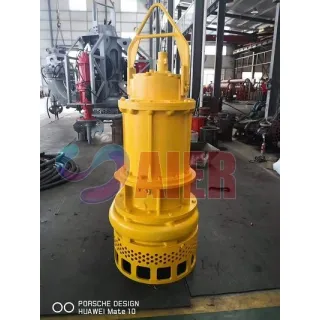
QJ水中ポンプは主に深井戸からの水を運び、増圧するために使用され、農地の灌漑、都市部や農村部の排水、鉱山や工業企業、貯水池、噴水、冷却システム、スパなどの水保全工事で広く使用されています。主な特徴は次のとおりです: 使いやすく、取り付けが簡単、メンテナンスが簡単、環境保護など。
水中ウォーターポンプメーカー
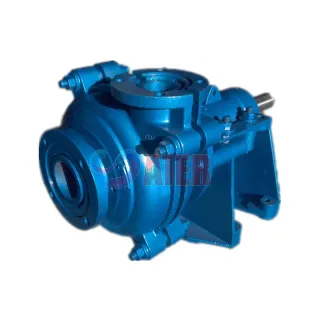
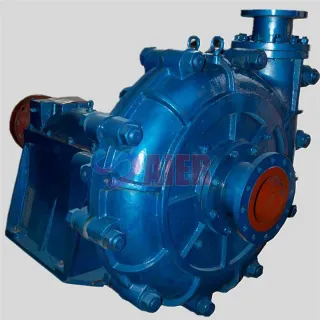
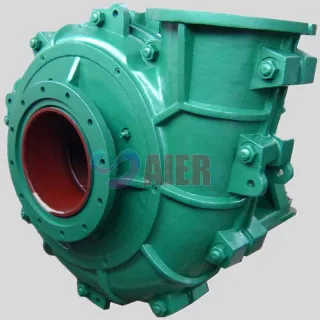
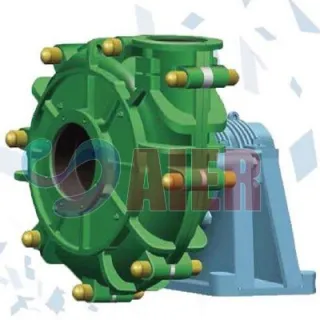
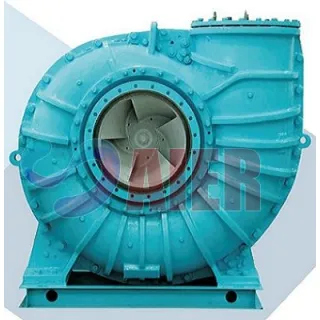
当社は中国の水中ポンプの専門メーカーです。ウォーターポンプ以外にも、各種スラリーポンプ、砂利ポンプ、脱硫ポンプなどを取り揃えております。 ステンレス鋳物、ステンレス圧接、青銅鋳物、普通鉄鋳物、各種材質の製品をご要望に応じてご提供いたします。耐食性に優れた特殊素材鋳造。ポンプの外径は厳密に規定されており、モーターシールの漏れや水質汚濁などの事態が発生しません。
仕様
サイズ (吐出量): 4" ~ 16"
能力: 2-500m3/hr
ヘッド: 10m-500m
家庭用電力: 0.75-450kw
材質: 鋳鉄、青銅、ステンレス鋼など
AIER® QJ Submersible Pump
使用条件
①電源:380V/三相AC、50Hz
②水質:
A. 水温は20℃以下(耐高温80℃)です。
B. 固形分が0.01%未満(品質による)
C.PH 6.5-8.5
D. 硫化水素の含有量が1.15mg/l未満であること。
E. 酸化物イオンの含有量が400mg/l未満であること。
③水中モーターの内部はきれいな水で満たされ、水中ポンプは安全に水中に沈めて作動する必要があります。
④取付深さは揚水ポンプ定格揚程の20%を超えず、井戸面は滑らかで真っ直ぐでなければなりません。
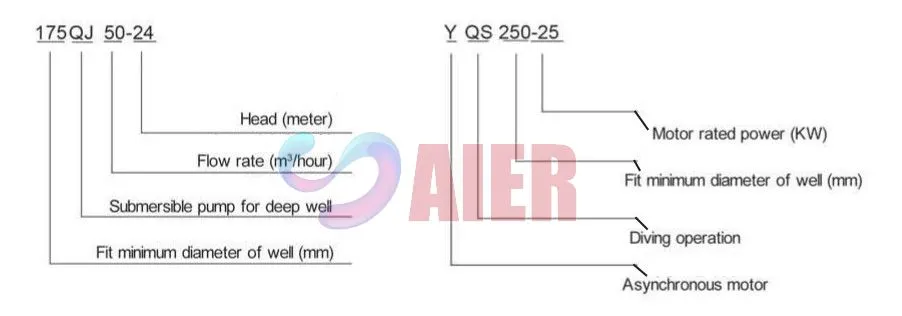
種類の表記
主な特徴
1. モーターは湿式水中モーターです。モーターチャンバーは、モーターの冷却とベアリングの潤滑に使用されるきれいな水で満たされている必要があります。ベースまたはモーター上の電圧調整フィルムは、モーターの温度変化によって生じるモーター内部の圧力差と水の膨張を調整するために使用されます。
2. 井戸からの砂粒がモータ内部に侵入するのを防ぐために、上部シャーシ延長部にシールオイルを 2 つ後方に設置し、サンドオフリングを 1 つ設置します。
3. ウォーターポンプ軸の飛び防止のため、ウォーターポンプ軸とモーター軸をカップリングで接続し、モーター下部にスラストベアリングを設置してください。
4. 水はモーターとウォーターポンプのベアリングを潤滑します。
5. 固定子巻線には水中モータ巻線を使用しています。だから保温性も高い
6. target="_blank">ウォーターポンプは遠心羽根車と縦型送風機入口ケーシングを採用しており、構造がシンプルです。
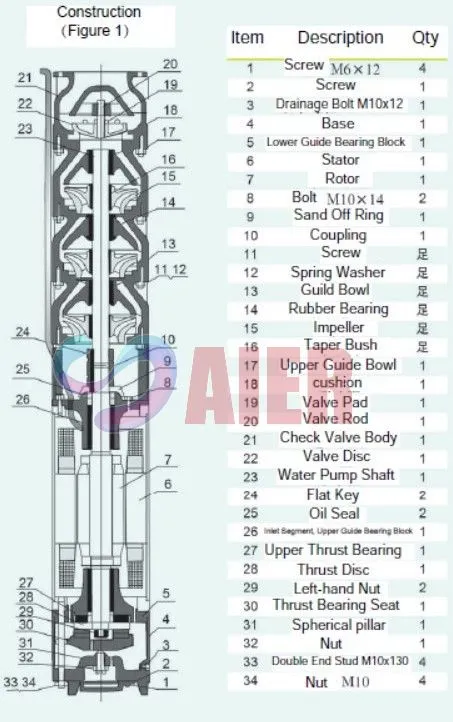
構造図
QJ水中ポンプは、主に供給点、ウォーターポンプシャフト、インペラ、ブロワー入口ケーシング、ゴムベアリング、チェックバルブ(オプション)などで構成されています。水中モーターは、ベース、電圧調整フィルム、スラストベアリング、スラストディスク、下部ガイドベアリングブロックで構成されています、ステーター、ステーター巻線、ローター、アッパーガイド、ベアリングブロック、サンドオフリング、アウトレットケーブルなど
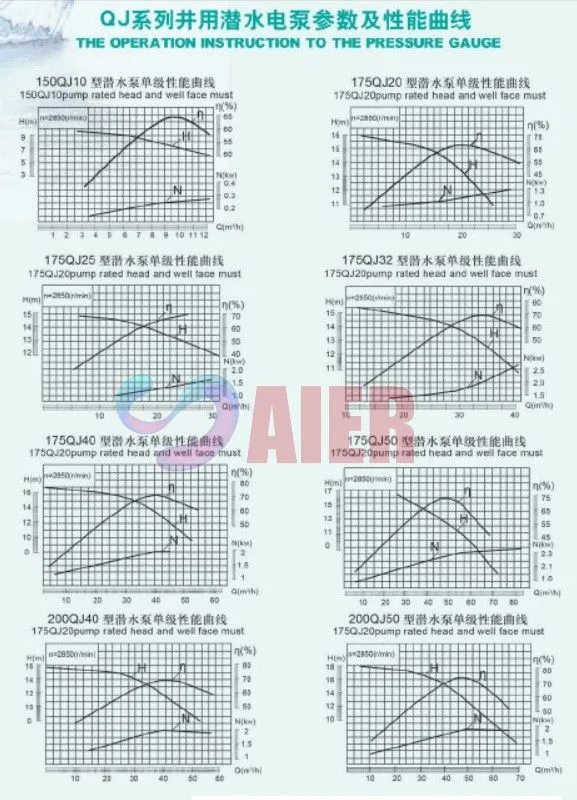
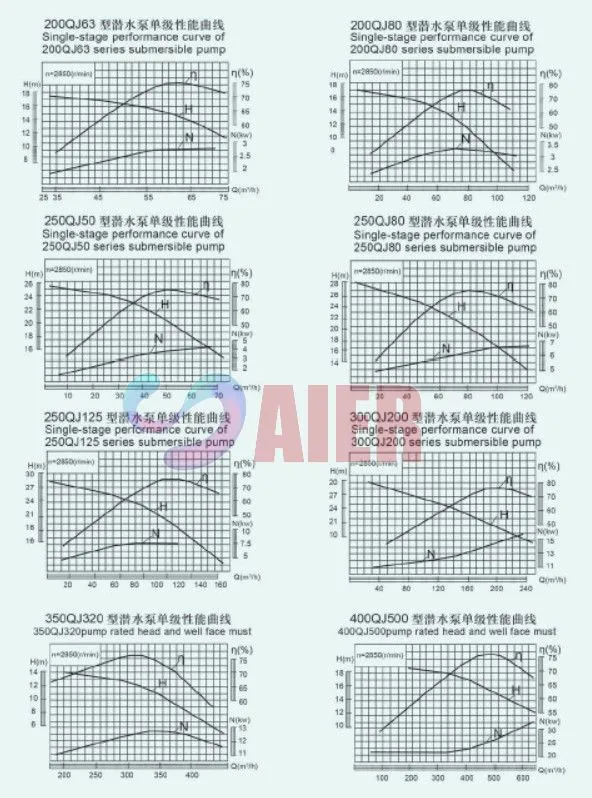
パフォーマンスカーブ
Advantages of Using Submersible Water Pumps for Continuous Operation
A submersible water pump is a highly efficient and durable pumping solution designed to work entirely underwater, making it ideal for applications requiring continuous operation. Unlike surface-mounted pumps that rely on suction, a submersible pump pushes water upward through direct contact with the liquid, resulting in higher efficiency, less energy loss, and better performance in harsh environments.
One of the most significant advantages of submersible water pumps is their energy efficiency. Because they operate directly in the fluid, there is no air leakage or suction head loss, which means the pump converts more motor energy into hydraulic power. This makes submersible pumps extremely effective in deep wells, reservoirs, and dewatering systems where long-term operation is essential. Leading submersible water pump manufacturers often equip their pumps with advanced motors featuring high-efficiency windings and low energy consumption for round-the-clock operation.
Another major benefit is the quiet and vibration-free operation. Since the entire pump is submerged underwater, the surrounding fluid dampens sound and vibration. This makes submersible pumps suitable for residential, municipal, and industrial applications where noise control is important—such as building basements, urban drainage systems, and cooling water circulation.
In addition, submersible water pumps are known for their excellent anti-cavitation properties. Because they operate below the water surface, the risk of air bubbles forming at the impeller is greatly reduced. This prevents vapor lock, improves hydraulic stability, and minimizes wear on internal components. The constant immersion of the pump also ensures natural cooling for the motor, extending its service life even during extended operation.
Finally, submersible pumps are easy to install and maintain. Most modern models are designed with modular components, corrosion-resistant casings, and advanced sealing systems. This ensures long-lasting reliability in environments such as wastewater treatment, agriculture, mining, and chemical processing. When you choose a product from a reputable submersible water pump manufacturer, you can expect superior performance, reduced maintenance costs, and reliable operation—day after day.
Maintenance and Troubleshooting Tips for Submersible Water Pumps
Proper maintenance of a submersible water pump is essential for ensuring consistent performance, preventing failures, and maximizing operational lifespan. Since these pumps work entirely underwater, they must endure high pressure, varying temperatures, and possible contact with sediments or chemicals. Following a proactive maintenance plan can significantly extend the efficiency and reliability of your system.
The first step is routine inspection. Regularly check the power cable for cracks, fraying, or water ingress, as damaged insulation can cause short circuits. Next, examine the pump’s exterior for corrosion or debris buildup. Sediment accumulation can restrict water flow and reduce pump efficiency. Cleaning the suction strainer and impeller housing every few months helps maintain optimal performance.
A common issue in submersible pumps is reduced discharge flow. This can be caused by impeller wear, clogged intake screens, or partial blockage in the discharge line. If this happens, disconnect the pump, clean the impeller, and inspect for wear or imbalance. Replacing worn impellers or seals promptly prevents more serious mechanical damage.
The mechanical seal is one of the most critical components of a submersible water pump. It prevents water from entering the motor housing. Any leakage or oil contamination in the seal area indicates the need for immediate replacement. Additionally, monitor the bearing temperature and listen for unusual noises—these can signal excessive friction or bearing wear.
Leading submersible water pump manufacturers recommend checking motor insulation resistance periodically to prevent electrical faults. For pumps used in wastewater or industrial environments, schedule quarterly performance tests to track flow, head, and power consumption. If overheating occurs, it could be due to low voltage or excessive solids in the fluid; cleaning the pump and verifying electrical connections typically resolves these problems.
By maintaining your submersible water pump properly—keeping it clean, well-lubricated, and regularly inspected—you can reduce downtime, prevent costly repairs, and ensure reliable operation for years, even in continuous-use applications.
Key Features of High Quality Submersible Water Pumps
A high-quality submersible water pump is engineered for durability, efficiency, and versatility, making it suitable for use in various industries including construction, mining, agriculture, and wastewater management. Understanding the key features that define a superior submersible pump can help users select the best equipment for long-term operation.
The most important feature is robust material construction. Reputable submersible water pump manufacturers use stainless steel, cast iron, or high-chrome alloys to ensure resistance to corrosion, abrasion, and chemical attack. These materials protect the pump body and impeller from harsh conditions such as sewage, slurry, or seawater exposure. A well-built submersible pump can operate continuously even in environments with high sediment or chemical content.
Another key aspect is the advanced mechanical sealing system. Double mechanical seals made of silicon carbide or tungsten carbide prevent leakage and protect the electric motor from water intrusion. Combined with oil-filled motor chambers for cooling and lubrication, these systems ensure long-lasting reliability and smooth operation.
Efficiency is also a hallmark of a top-tier submersible water pump. Precision-engineered impellers and high-efficiency motors minimize energy consumption while delivering consistent flow and head performance. Built-in overload protection and thermal sensors help prevent damage from overheating or voltage fluctuations, ensuring safety in continuous-use environments.
In addition, modern submersible pumps feature modular and service-friendly designs. Easy-to-remove components allow for quick maintenance without dismantling the entire system, reducing downtime. Anti-clog impeller designs and self-cleaning flow channels further enhance reliability, especially in wastewater or industrial slurry applications.
Finally, certified submersible water pump manufacturers perform rigorous quality control and performance testing to guarantee every unit meets global efficiency and safety standards. When you choose a high-quality submersible pump, you’re investing in a machine that provides stable output, reduced maintenance costs, and decades of dependable operation across multiple industries.