
Bomba de purín de alta resistencia WA
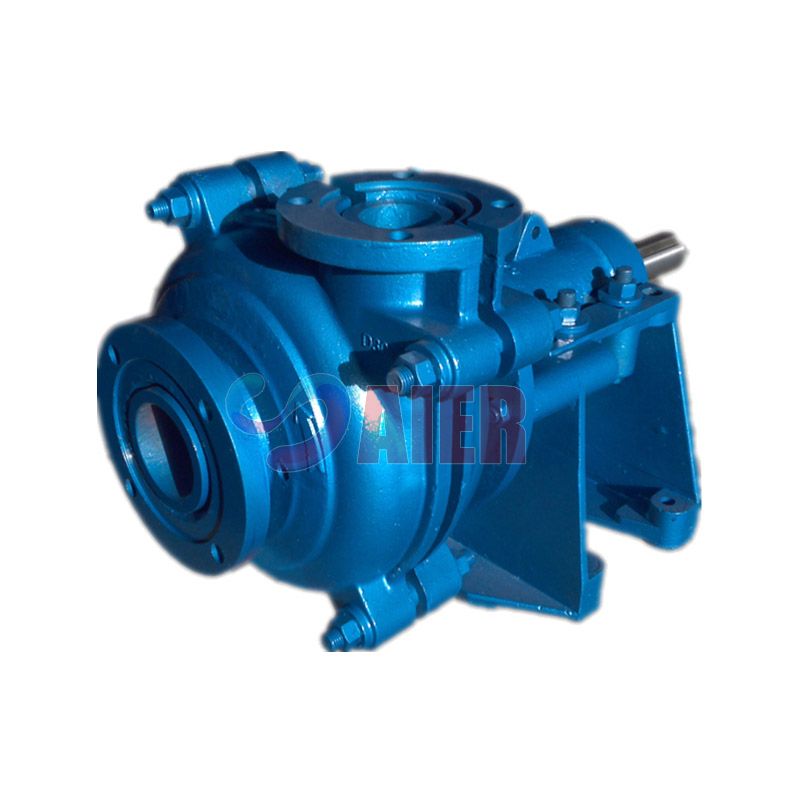
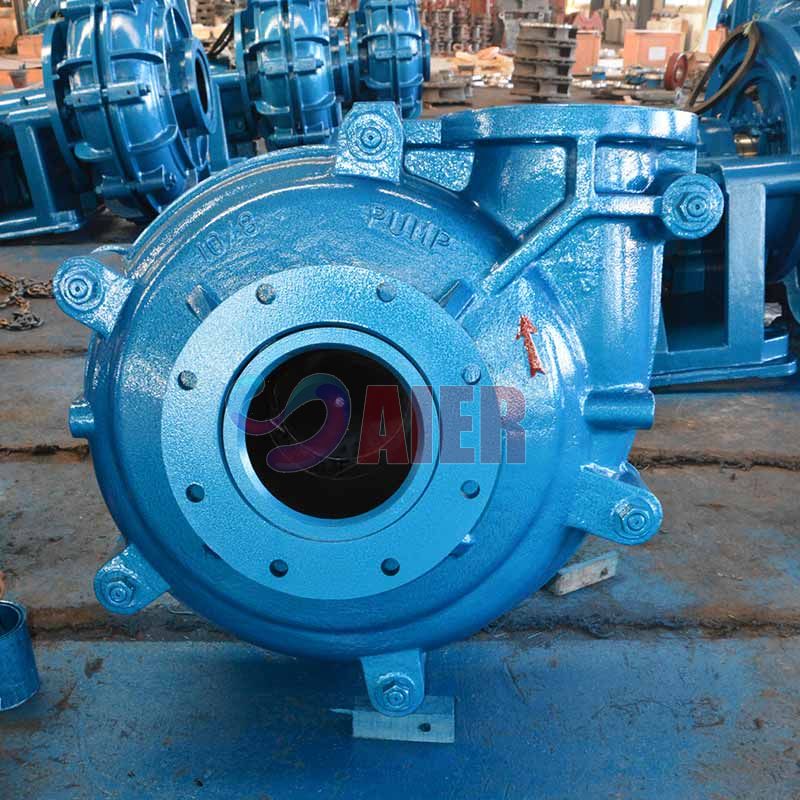
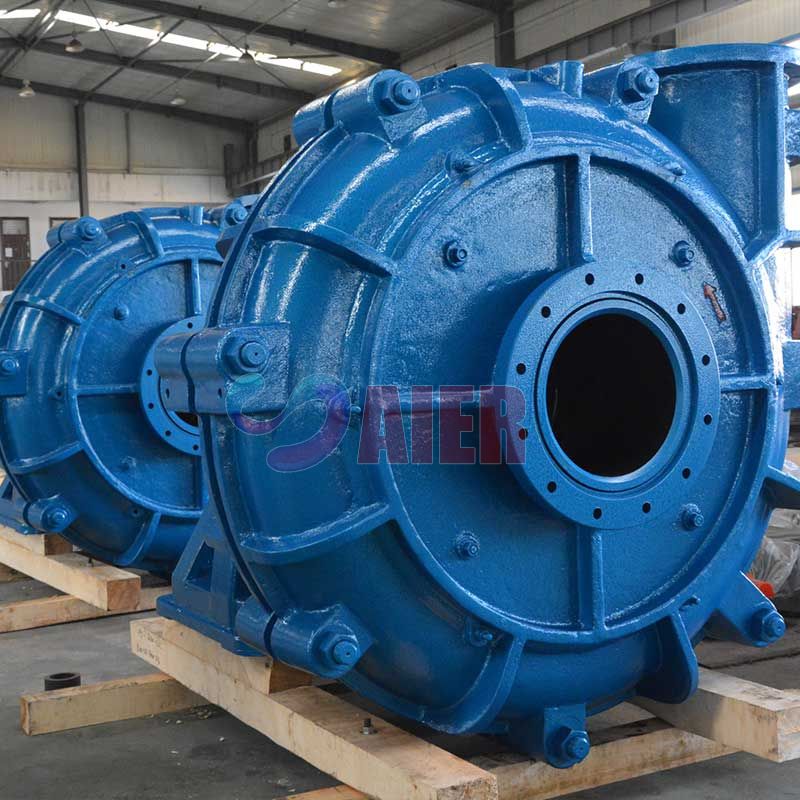
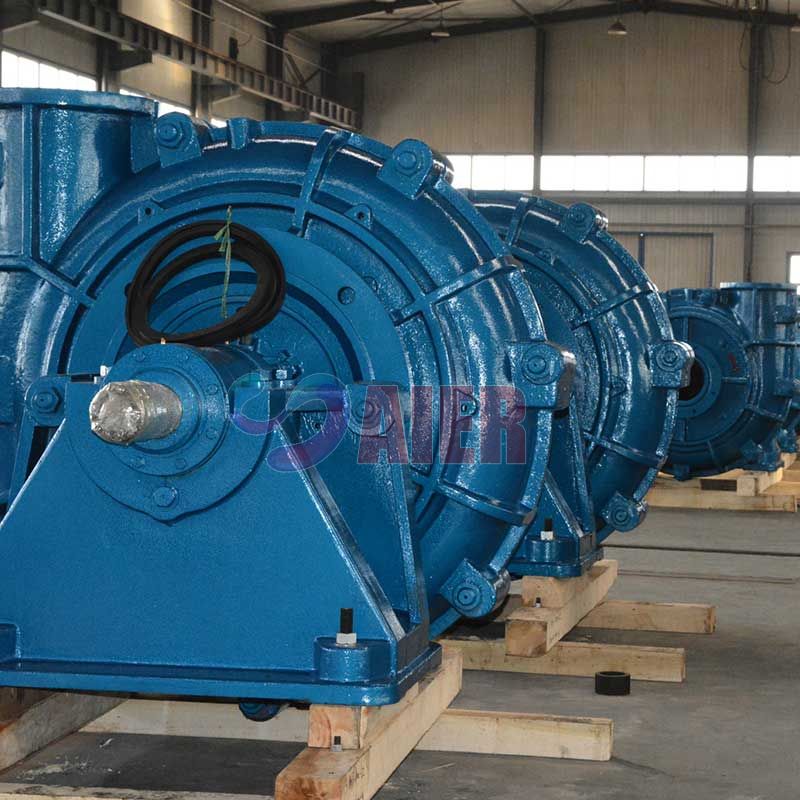
Que é a bomba de purín de alta resistencia?
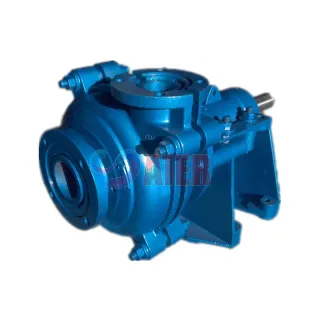
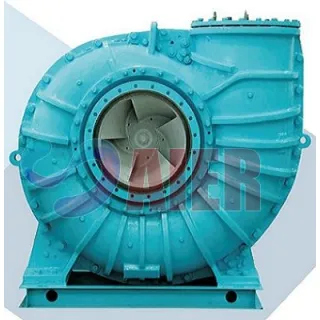
A bomba de purín de alta resistencia da serie WA está en voladizo, horizontal, revestida de caucho natural ou metal duro bombas centrífugas de purín. Están deseñados para o manexo de puríns abrasivos de alta densidade no departamento de metalúrxico, minería, carbón, enerxía, materiais de construción e outros.
Especificacións da bomba de traballo pesado
Tamaño: 1" a 22"
Capacidade: 3,6-5400 m3/h
Cabeza: 6-125 m
Manipulación de sólidos: 0-130 mm
Concentración: 0%-70%
Materiais: aliaxe hipercromado, caucho, poliuretano, Cerámica, aceiro inoxidable, etc.
AIER® WA Heavy Duty Slurry Pump
Características da bomba de purín
1. A placa do marco para as bombas da serie WA ten forros intercambiables de metal duro ou elastómeros moldeados a presión. Os impulsores están feitos de metal duro ou forros de elastómero moldeados a presión.
2. Os selos do eixe para a serie WA poden ser un selo de embalaxe, un selo centrífugo ou un selo mecánico.
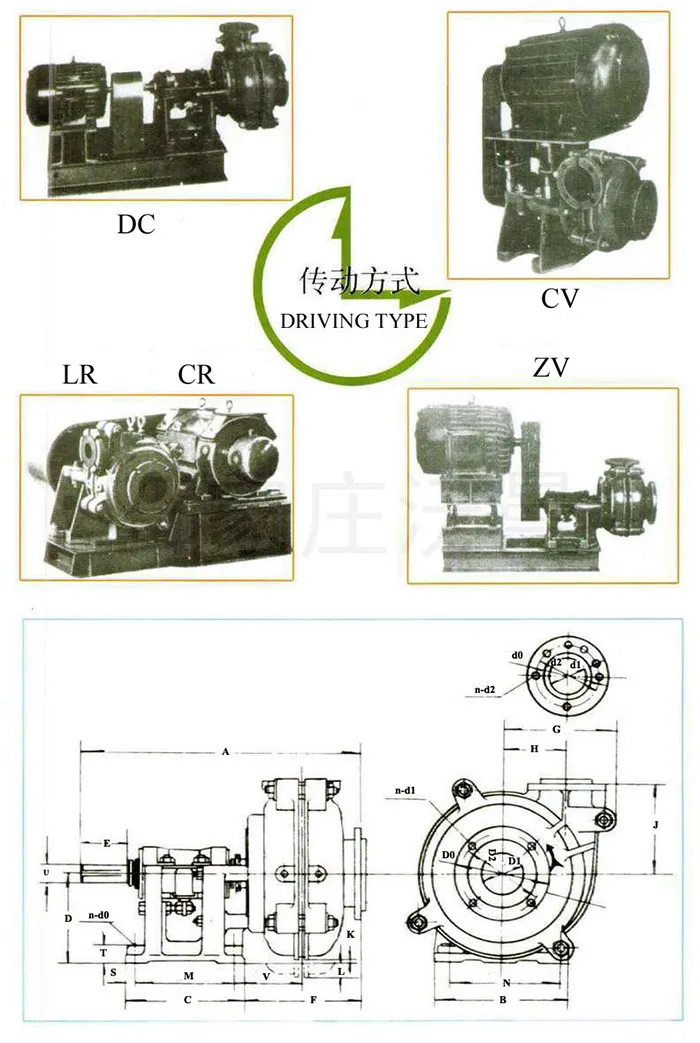
3. A derivación de descarga pódese colocar a intervalos de 45 graos a petición e orientarse a oito posicións calquera para adaptarse ás instalacións e aplicacións. Hai moitos modos de condución para a opción, como correa en V, acoplamento flexible, caixa de cambios, acoplador hidráulico de frecuencia variable, velocidade controlada por silicio, etc. Entre eles, a unidade de acoplamento de eixe flexible e a correa en V teñen un custo baixo e unha instalación sinxela.
4. In harsh conditions with sand, sludge, rocks and mud, ordinary slurry pumps tend to clog, wear and fail frequently.. But our heavy-duty slurry pumps are highly resistant to wear and corrosion, which means that the vida útil das nosas bombas de purín é mellor que as bombas doutros fabricantes.
Aplicacións típicas de bombas pesadas
Debido a que as nosas bombas de purín WA son altamente resistentes ao desgaste e á corrosión, as bombas de alta resistencia úsanse nunha ampla gama de aplicacións.
1. Descarga de muíño SAG, descarga de muíño de bolas, descarga de mil Rod.
2. Lechada de ácido Ni, area grosa, residuos grosos, matriz de fosfato, concentrado de minerais.
3. Medios pesados, remolacha azucreira, dragado, cinzas de fondo/volantes, moenda de cal, areas oleosas, areas minerais, residuos finos, granulación de escouras, ácido fosfórico, carbón, flotación, produtos químicos de proceso, pasta e papel, FGD, alimentación ciclónica, etc. .
Notación de bombas
| 200WA-ST: | 100WAJ-D: |
| 200: Diámetro de saída: mm | 100: Diámetro de saída: mm |
| WA: Tipo de bomba: revestimento de aleación de cromo | WAJ: Tipo de bomba: revestido de goma |
| ST: Tipo de placa de marco | D: Tipo de placa de marco |
Para aprender a resolver os seus problemas de bombeo, Contacta connosco today! We are the slurry pump manufacturer that can help you solve your problems.
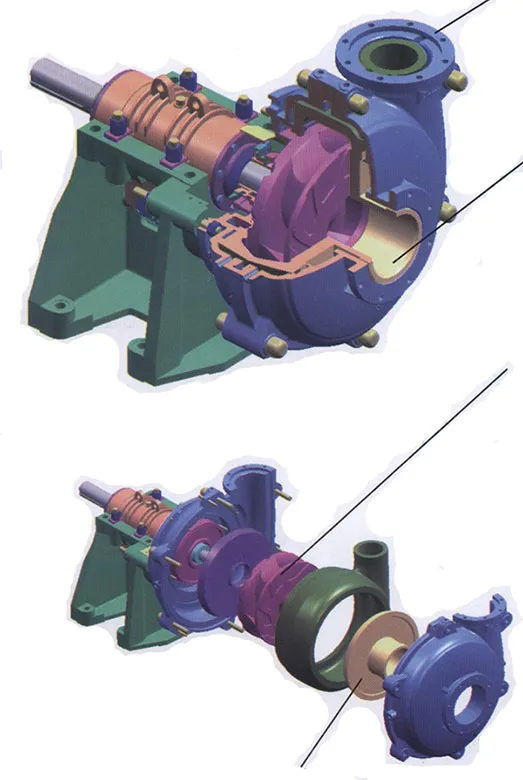
Deseño de construción
|
|
Carcasa As metades da carcasa dividida de fundición ou fundición dúctil conteñen os revestimentos de desgaste e proporcionan capacidades de alta presión de operación.
Forros intercambiables de metal duro e elastómero moldeado |
|
Impulsor O impulsor pode ser de elastómero moldeado ou de metal duro. As paletas de selado laterais profundas alivian a presión do selado e minimizan a recirculación. As roscas do impulsor fundido son máis adecuadas para as lechadas. |
Mating faces in hard metal liners are tapered to allow positive alignment during assembly and allow components to be easily removed for replacement.
Material da parte da bomba
| Nome da peza | Material | Especificación | HRC | Aplicación | Código OEM |
| Forros e impulsor | Metal | AB27: 23%-30% ferro branco cromado | ≥56 | Úsase para condicións de maior desgaste con pH entre 5 e 12 | A05 |
| AB15: 14%-18% ferro branco cromado | ≥59 | Usado para condicións de maior desgaste | A07 | ||
| AB29: 27%-29% ferro branco cromado | 43 | Usado para condicións de pH máis baixos, especialmente para FGD. Tamén se pode usar para instalacións de desulfuración e condicións de baixa acidez cun pH non inferior a 4 | A49 | ||
| AB33: 33%-37% ferro branco cromado | Pode transportar purín osixenado cun pH non inferior a 1 como xeso fosforico, ácido nítrico, vitriolo, fosfato, etc. | A33 | |||
| Goma | R08 | ||||
| R26 | |||||
| R33 | |||||
| R55 | |||||
| Expulsor e anel de expulsión | Metal | B27: 23%-30% ferro branco cromado | ≥56 | Úsase para condicións de maior desgaste con pH entre 5 e 12 | A05 |
| Ferro gris | G01 | ||||
| Caixa de recheo | Metal | AB27: 23%-30% ferro branco cromado | ≥56 | Úsase para condicións de maior desgaste con pH entre 5 e 12 | A05 |
| Ferro gris | G01 | ||||
| Marco/placa de cuberta, caseta de rodamentos e base | Metal | Ferro gris | G01 | ||
| Ferro dúctil | D21 | ||||
| Eixo | Metal | Aceiro carbono | E05 | ||
| Manga do eixe, anel de lanterna/restrictor, anel de pescozo, parafuso da glándula | Aceiro inoxidable | 4Cr13 | C21 | ||
| 304 SS | C22 | ||||
| 316 SS | C23 | ||||
| Selos e aneis de unión | Goma | Butilo | S21 | ||
| Caucho EPDM | S01 | ||||
| Nitrilo | S10 | ||||
| Hypalon | S31 | ||||
| Neopreno | S44/S42 | ||||
| Viton | S50 |
Deseño do módulo de transmisión
|
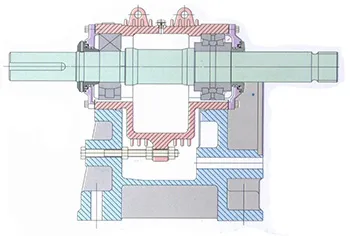
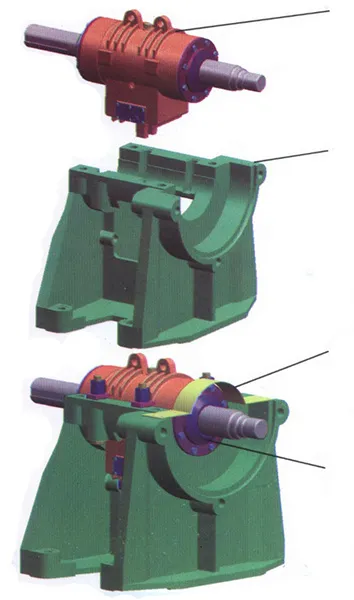
Eixo da bomba de gran diámetro, cilíndrico Construción de carga pesada, rodamento métrico mediante lubricación con aceite ou lubricación con graxa; aberto en serie, as características de construción de pequeno volume e alta fiabilidade. |
 |
 |
Conxunto de rodamentos do eixe Un eixe de gran diámetro cun pequeno saliente minimiza a deflexión e as vibracións. Os rodamentos de rolos de alta resistencia están aloxados nun cartucho de rodamentos extraíble. Base da bomba Fixe a bomba na base cun número mínimo de parafusos e axuste o impulsor nunha posición conveniente debaixo da carcasa do rodamento. A cuberta a proba de auga evita que a auga de fuga voe. A tapa de protección impide a fuga de auga do soporte do rodamento.
|
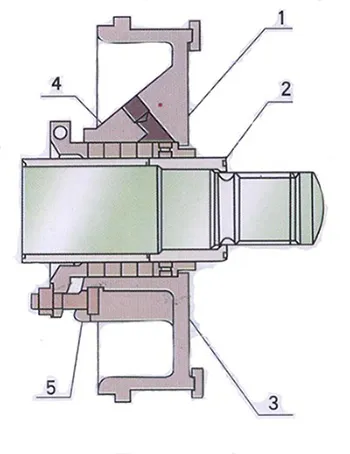
Deseño do módulo de selado do eixe
 |
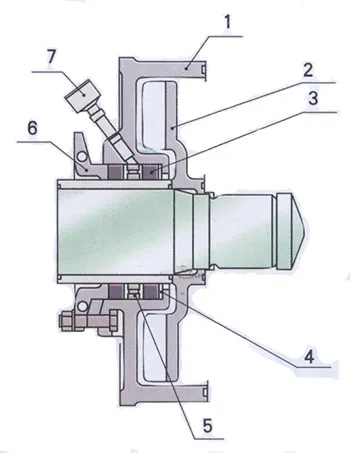
1. Caixa de embalaxe 2. Anel da lanterna frontal 3. Embalaxe 4. Prensaestopas 5. Manga do eixe |
|
1. Glándula de liberación 2. Expulsor 3. Embalaxe 4. Junta de embalaxe 5. Anel da lanterna 6. Prensaestopas 7. Copa de aceite |
 |
 |
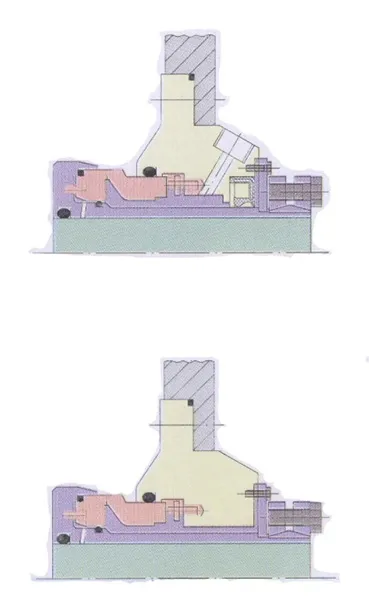
Selo mecánico GRJ O tipo GRG úsase para líquidos que non se permiten diluír. Selo mecánico HRJ O tipo HRJ úsase para o líquido permitido diluído. A cerámica de alta dureza e o aliado son adoptados para o material das pezas de fricción. Posúe unha alta resistencia á abrasión e a proba de vibracións para garantir que o efecto de selado poida ser satisfeito polo cliente en varias condicións.
|
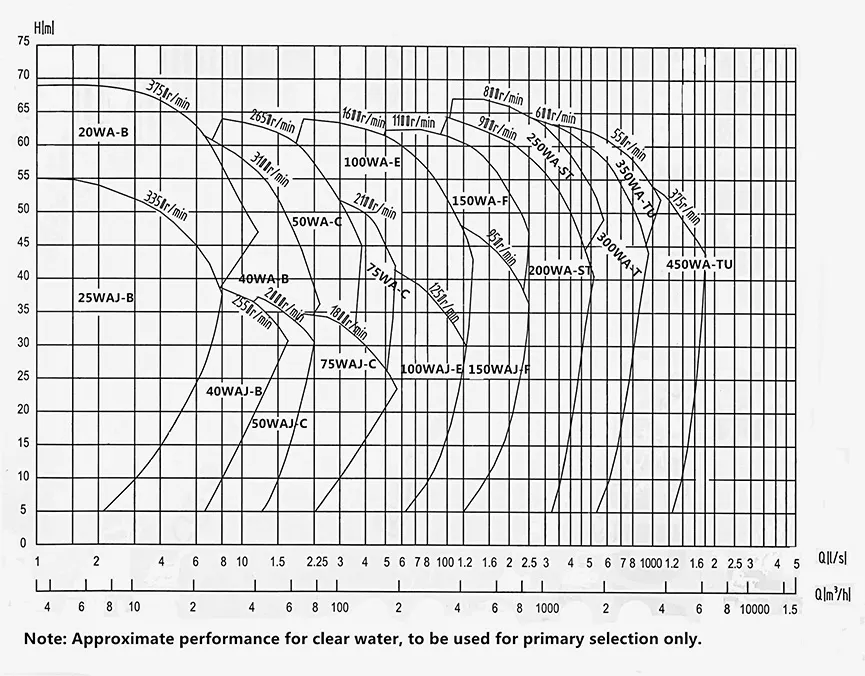
Curva de rendemento
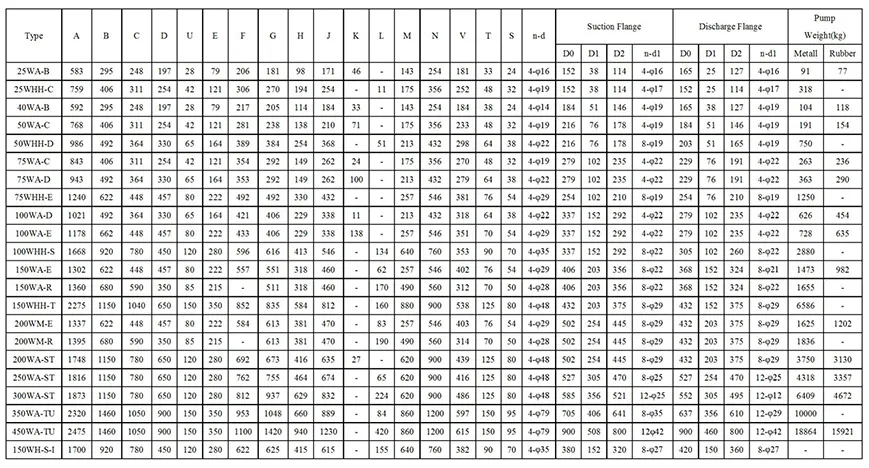
Dimensións de instalación
Selección do impulsor da bomba de lodos
Slurry pump impeller is one of the most important parts of centrifugal slurry pumps. Depending on the application, slurry pump impeller selection is crucial to slurry pump performance. Slurry applications can be especially hard on the impeller of slurry pumps because of their abrasive nature. In order slurry pumps operates efficiently and stand up to the test of time, impeller has to be selected properly for slurry pumps.
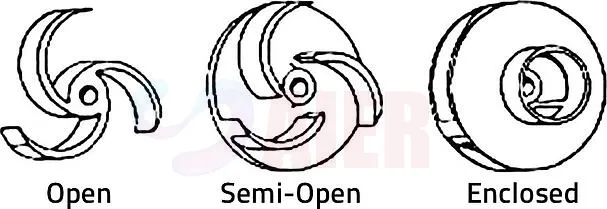
1. Tipo de impulsor da bomba de purín
Hai tres tipos diferentes de impulsores de bombas de purín; aberto, pechado e semiaberto. Cada un ten os seus propios puntos fortes e débiles, dependendo da aplicación. Algúns son mellores para a manipulación de sólidos, outros son mellores para a alta eficiencia.
Any type of impeller can be used in slurry applications, but closed slurry pump impellers are more common because they are high efficient and abrasion Resistance,. Open slurry pump impellers are usually used well for high concentration solids as they are less likely to clog. For example, the small fibers in paper stock which, in high densities, may have a tendency to clog the impeller. Pumping slurry can be difficult.
2. Tamaño do impulsor da bomba de purín
The size of slurry pump impeller must be considered to ensure it holds up against abrasive wear. Slurry pump impellers are generally larger in size when compared to slurry pumps for less abrasive liquids. The more “meat” the impeller has, the better it will hold up to the task of pumping harsh slurry mixtures. Just think of slurry pump impeller as a football team’s offensive line. These players are usually large and slow. Throughout the whole game they are beaten up, over and over again, but expected to withstand the abuse. You wouldn’t want small players in this position, just like you wouldn’t want a small impeller on your slurry pumps.
3. Velocidade da bomba de purín
Process speed doesn’t have anything to do with choosing slurry pump impeller, but it does have an effect on the life of slurry pump impeller. It is important to find the sweet spot that allows the slurry pump to run as slow as possible, but fast enough to keep solids from settling and clogging. If pumping too fast, the slurry can quickly erode the impeller due to its abrasive nature. This is why it is important to select a larger impeller if possible.
When dealing with slurry, you generally want to go bigger and slower. The thicker the impeller, the better it will hold up. The slower the pump, the less erosion will inflict on the impeller. However, the impeller isn’t the only thing to worry in slurry pump when dealing with slurry. Tough, durable materials of construction are necessary most of the time. Metal slurry pump liners and wear plates are common in slurry applications.
Instalación de bomba de purín
Instalación de bomba horizontal de purín
The mounting and installation of horizontal slurry pumps are generally subject to a number of considerations, including floor space, overhead space for lifting and the likelihood of flooding from spills. Pumps in critical services are often paired in duty/standby mode so that maintenance can be carried out on one pump while the other is running.
Large slurry pumps with high-energy motors - and perhaps with speed reduction gearboxes - would generally be mounted with the shaft axes in the same horizontal plane for ease of maintenance access.
A slurry pump with a belt drive may have the motor mounted beside it if there is sufficient floor space. However, if floor space is limited or there is a risk of flooding, the motor can be mounted above it either directly overhead (also known as “C drive”) or to its rear (reverse overhead mounting or “Z drive”).
Vertical Slurry Pump Installation
Vertical cantilever shaft sump pumps should be selected so that the suction inlet is close to the sump floor. If shaft length is limited by the required running speed and power to be transmitted, a suction pipe (generally two meters long) may be fitted to the suction branch to ensure the sump can be emptied.
Understanding Heavy Duty Slurry Pumps and Their Industrial Applications
A heavy duty slurry pump is a specialized pumping solution designed to handle highly abrasive and dense slurries in demanding industrial applications. Unlike standard pumps, these heavy-duty units are engineered to provide durability, high efficiency, and long operational life in challenging conditions. The structural design of a heavy duty slurry pump includes robust casings, wear-resistant impellers, and reinforced shafts that allow it to manage slurries containing coarse particles, sand, gravel, and mineral residues without excessive wear.
The industrial slurry pump is widely used across multiple sectors, including mining, coal preparation, metallurgical processing, and chemical industries. In mining operations, it efficiently transports slurry from excavation sites to processing facilities, managing high particle loads without compromising flow rates. In coal washing and processing plants, heavy duty slurry pumps handle thick mixtures of coal and water, maintaining continuous operation under severe abrasion conditions.
Metallurgical plants benefit from heavy duty slurry pumps by moving corrosive and abrasive process fluids such as tailings, smelting residues, and acidic solutions. The pump’s materials, typically high-chrome alloys or specialized metals, provide excellent wear resistance and corrosion protection. This ensures consistent operation and reduces downtime, which is crucial for industrial processes with tight production schedules.
A reliable slurry pump supplier will offer pumps with modular designs, allowing for easy replacement of wear parts like impellers and liners. This minimizes maintenance costs and downtime, enhancing productivity in demanding industrial environments. Furthermore, many industrial slurry pumps come in different configurations, including horizontal, vertical, and high-capacity models, enabling customization for specific applications.
In addition to industrial use, heavy duty slurry pumps are critical in water treatment and dredging operations where solid-laden fluids need to be transported efficiently. Their robust construction, combined with advanced hydraulic design, allows them to handle large flow volumes and high concentrations of solids, ensuring reliable performance across all applications.
In summary, a heavy duty slurry pump is a durable, efficient, and versatile solution for handling abrasive and corrosive slurries in various industrial sectors. Partnering with a professional slurry pump supplier ensures access to high-quality pumps that meet operational demands and provide long-term reliability.
Key Advantages of Heavy Duty Slurry Pumps in Abrasive Environments
Heavy duty slurry pumps are specifically designed to withstand the challenges posed by abrasive and corrosive industrial fluids. Their key advantage lies in their ability to operate efficiently under extreme wear conditions while maintaining high flow and pressure. Unlike standard pumps, heavy duty models use wear-resistant materials such as high-chrome iron or stainless steel alloys, which dramatically reduce the effects of erosion from solid particles in slurries.
In highly abrasive environments, such as mining and mineral processing, these pumps can handle slurries with high solids content and large particle sizes. This ensures consistent flow rates without frequent repairs or maintenance shutdowns. Choosing a heavy duty slurry pump from a reputable slurry pump supplier guarantees enhanced durability and reliability in these challenging conditions.
Another advantage is the robust structural design. Industrial slurry pumps are reinforced with thick casings, optimized impeller geometry, and heavy-duty shafts that resist bending and wear. This allows for continuous operation in industrial environments with abrasive fluids, reducing downtime and maintenance costs. Additionally, many pumps are designed with modular components, enabling easy replacement of worn parts such as liners and impellers, which extends the pump’s operational lifespan.
The adaptability of heavy duty slurry pumps also sets them apart. They are available in horizontal and vertical configurations and can be customized for specific flow rates, head requirements, and slurry characteristics. This flexibility makes them suitable for a wide range of applications, from transporting tailings in mining operations to moving chemical slurries in metallurgical plants.
Energy efficiency is another significant advantage. The optimized hydraulic design of these pumps ensures high efficiency even under abrasive conditions, reducing power consumption and operational costs. Industrial facilities that rely on industrial slurry pumps can achieve long-term savings while maintaining reliable performance.
In conclusion, heavy duty slurry pumps offer unmatched durability, wear resistance, and operational efficiency in abrasive environments. By sourcing from a qualified slurry pump supplier, industries can ensure reliable performance, reduced maintenance, and cost-effective operation over extended periods.
Comparing Heavy Duty Slurry Pumps vs Standard Slurry Pumps
When selecting a pump for industrial slurry applications, understanding the differences between heavy duty slurry pumps and standard slurry pumps is essential. Heavy duty pumps are engineered for extreme conditions, whereas standard pumps are suitable for less abrasive and lower solids concentration environments.
A heavy duty slurry pump typically features reinforced casings, high-strength shafts, and wear-resistant impellers made from high-chrome alloys or stainless steel. In contrast, standard slurry pumps often use less durable materials that are prone to rapid erosion when handling abrasive slurries. This material difference directly impacts the lifespan and reliability of the pump in demanding applications.
Another critical difference is the capacity to handle high solids content. Heavy duty pumps can transport slurries containing large particles, high concentrations of solids, and abrasive mixtures, making them ideal for mining, mineral processing, and coal preparation. Standard pumps are limited in this regard and may experience frequent clogging or wear if used beyond their specifications.
Maintenance requirements also vary. A heavy duty slurry pump is designed for modular replacement of wear components such as liners, impellers, and bearings, which reduces downtime and simplifies servicing. Standard pumps may require more frequent overhauls or complete replacements, increasing operational costs and reducing productivity. Partnering with a professional slurry pump supplier ensures access to high-quality heavy duty pumps and replacement parts, optimizing long-term performance.
Finally, heavy duty pumps are often optimized for higher flow rates and pressures, allowing them to handle more demanding industrial processes efficiently. Standard pumps, while sufficient for lighter applications, may struggle under extended operation in high-load environments.
fabricante de bombas sumergibles centrífugas
fabricante de bombas sumerxibles de China
fabricante de bombas eléctricas sumerxibles
fabricante de bombas sumerxibles
fabricante de pezas de bomba sumerxible
fabricante do eixe da bomba sumerxible
fabricante de recambios para bombas sumerxibles
fabricante de bombas sumerxibles para augas residuais
fabricante de bombas de auga sumerxibles
fabricante de bombas de pozo sumerxible
Categorías de produtos
-
Bomba de purín de alta resistencia WA
-
Bomba de purín de cabeza alta WG
-
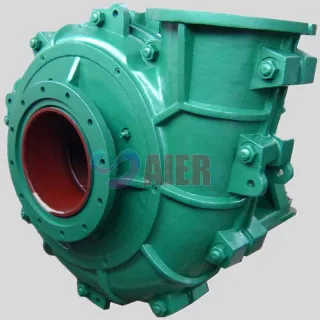
Bomba de purín WL de carga lixeira
-
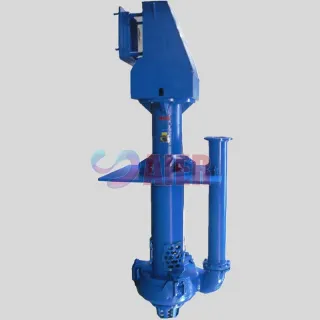
Bomba de sumidoiro WY
-
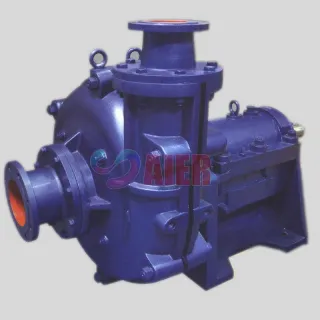
Bomba de purín de alta eficiencia WZ
-
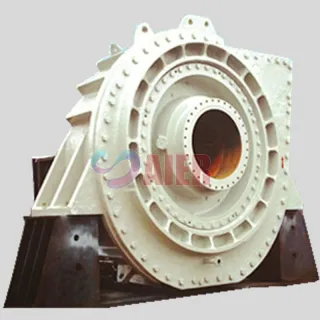
Bomba de dragado WN
-
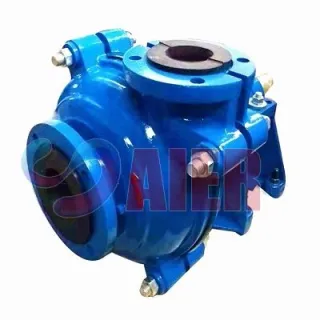
Bomba de purín de goma WAJ
-
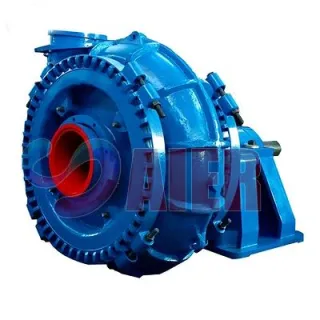
Bomba de area de grava WS, WSG
-
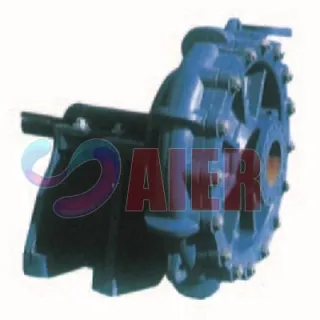
Bomba de solución WS, WSH
-
Bomba de sumidoiro WY
-
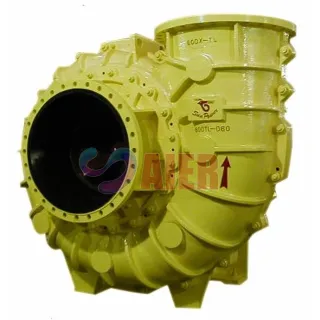
Bomba TL, TLR FGD
-
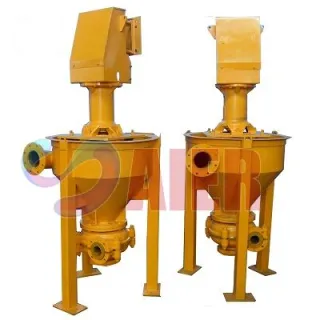
Bomba de espuma vertical WP
-
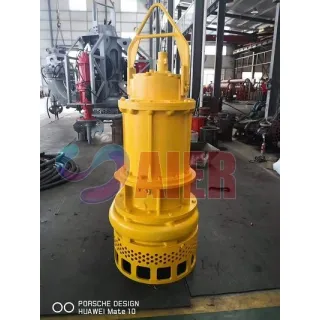
Bombas de purín sumerxibles ZJQ
-
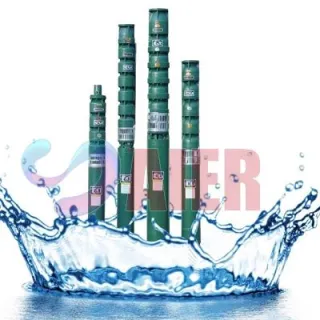
BOMBA SUMERGIBLE QJ
-
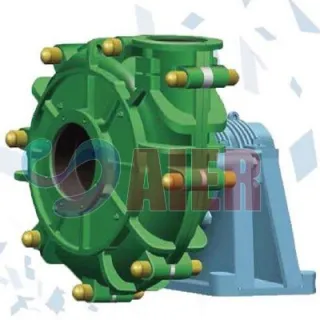
Bombas cerámicas de purín ACT (ZCT).
-
Bombas cerámicas de purín BCT