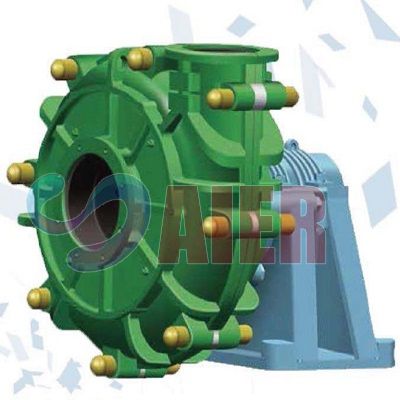
ACT (ZCT) Zeramikazko Minda Ponpak
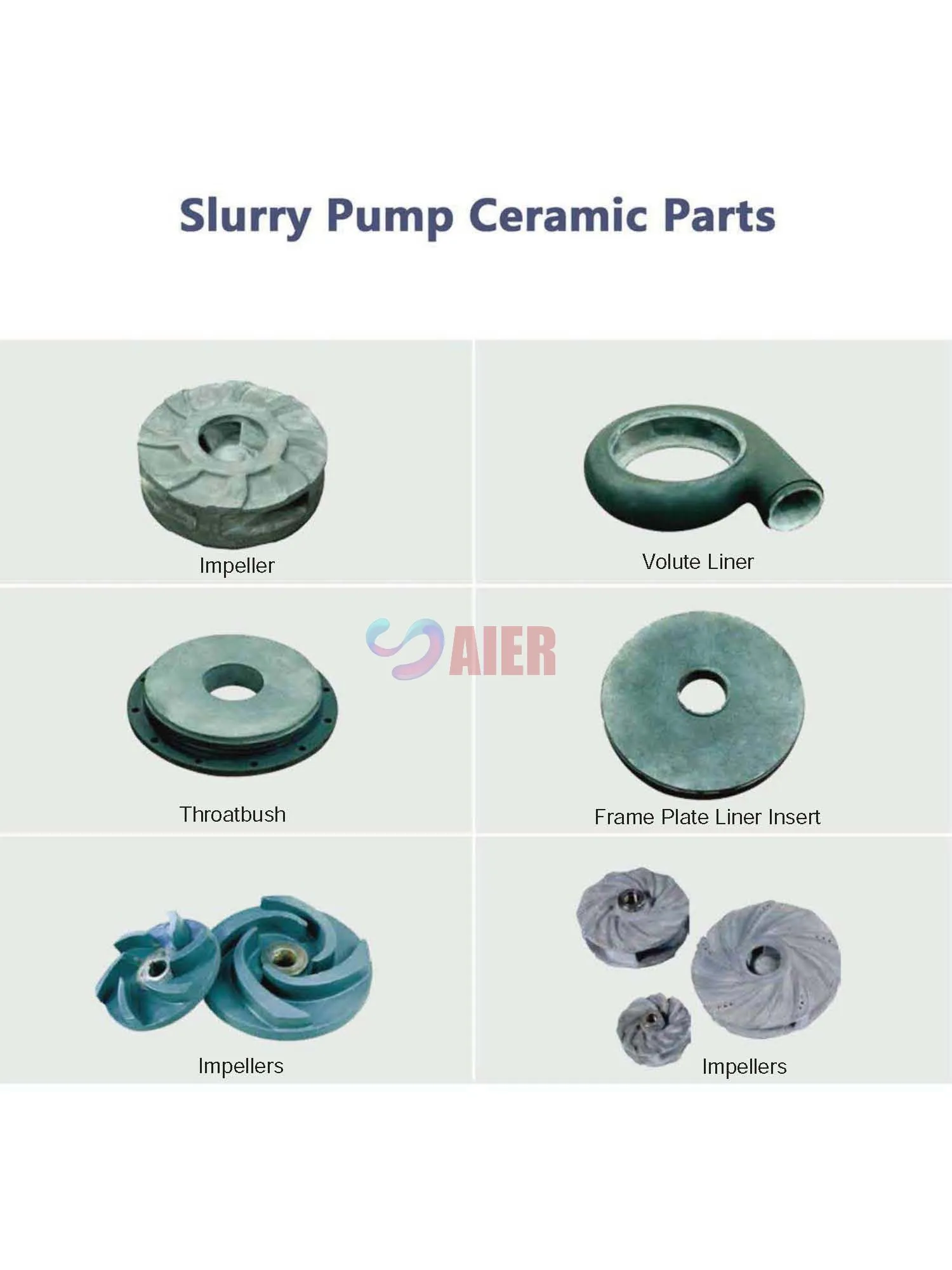
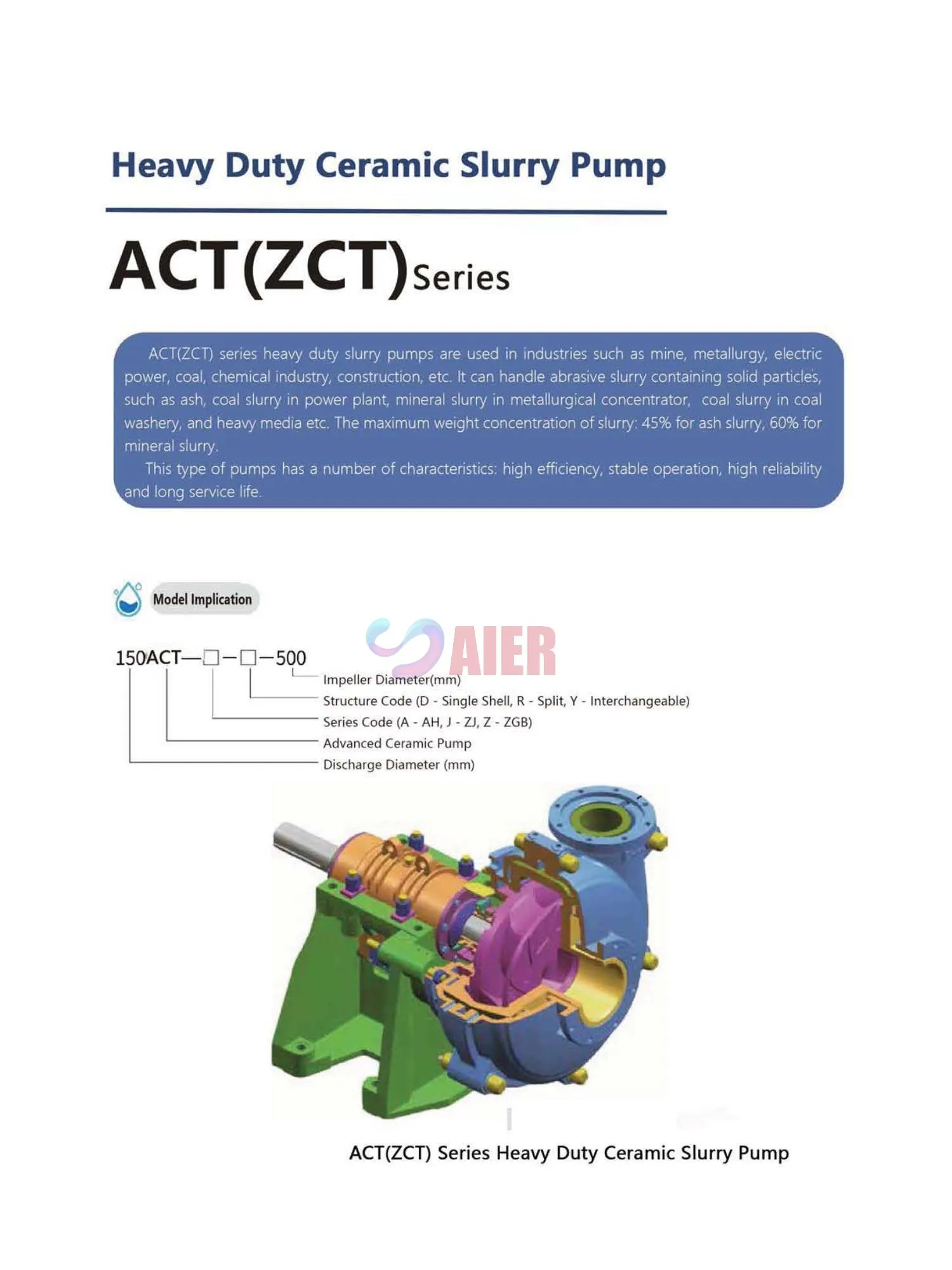
Zeramikazko Minda Ponpen abantailak
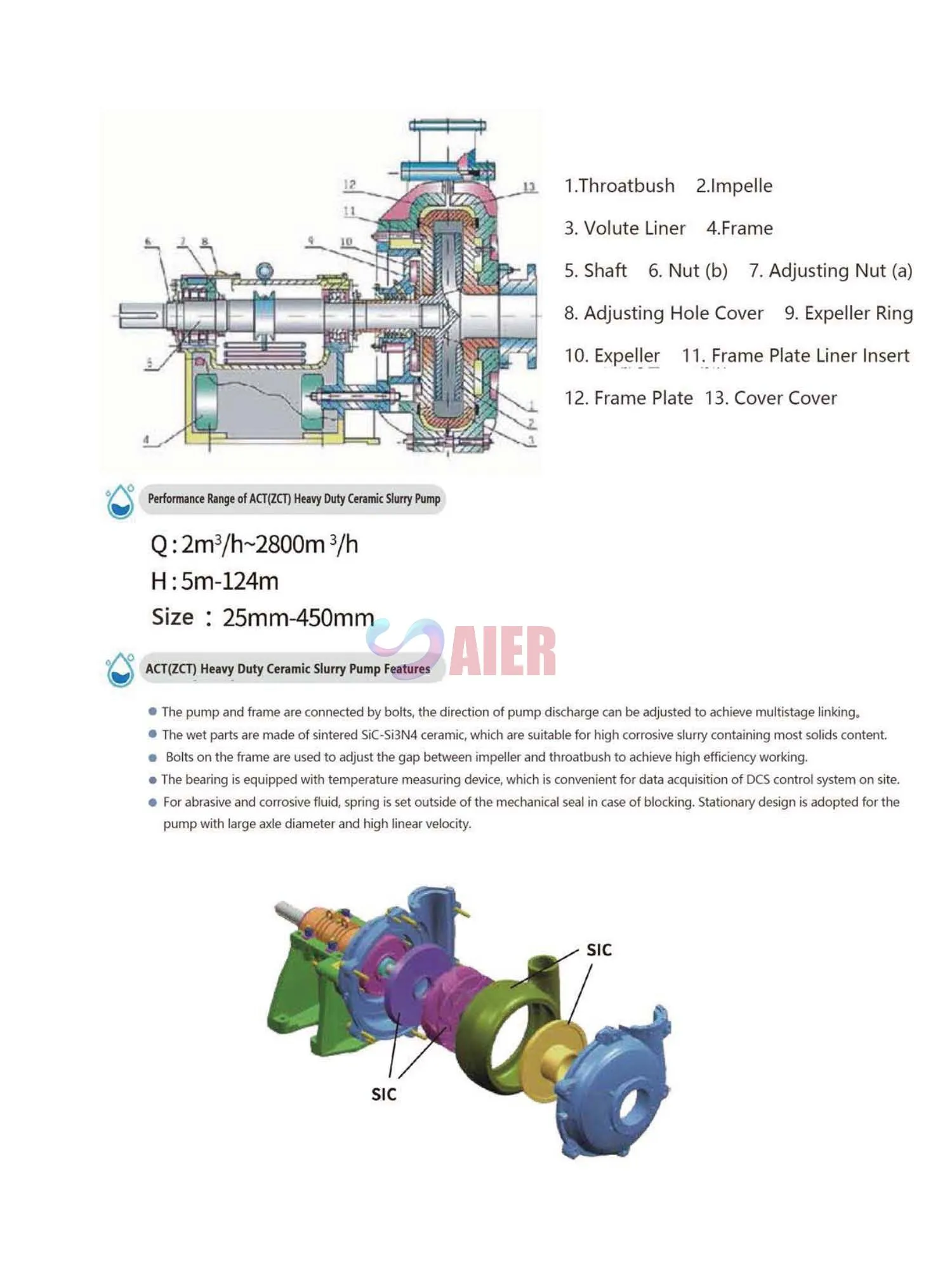
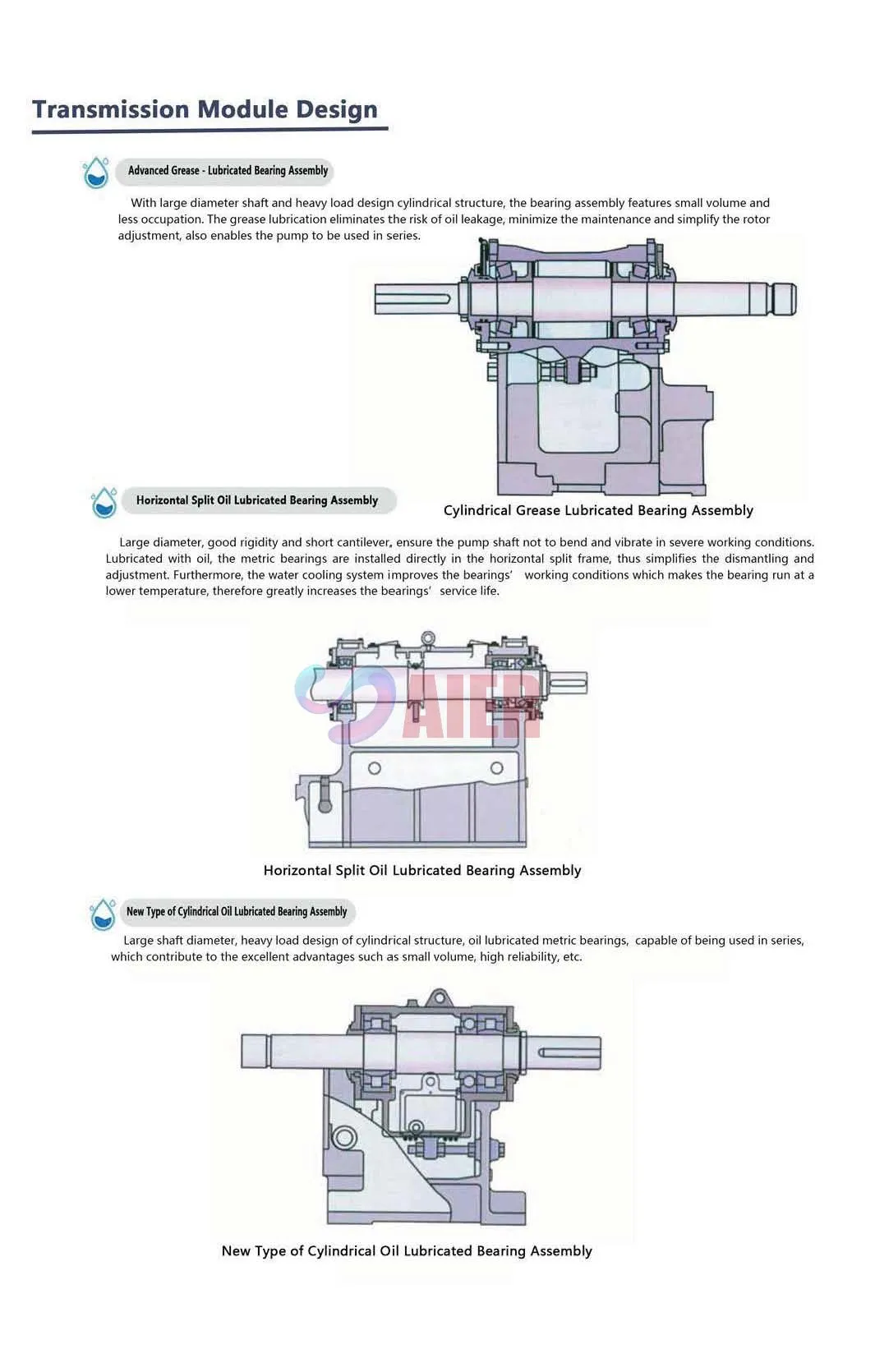
ZEHATZAK:
Tamaina: 1"-tik 18"-ra
Edukiera: 2-2800 m3/h
Burua: 5-124 m
Solidoak ematea: 0-110 mm
Kontzentrazioa: % 0-70
Materialak: Zeramika
AIER® ACZ (ZCT) Heavy Duty Ceramic Slurry Pump
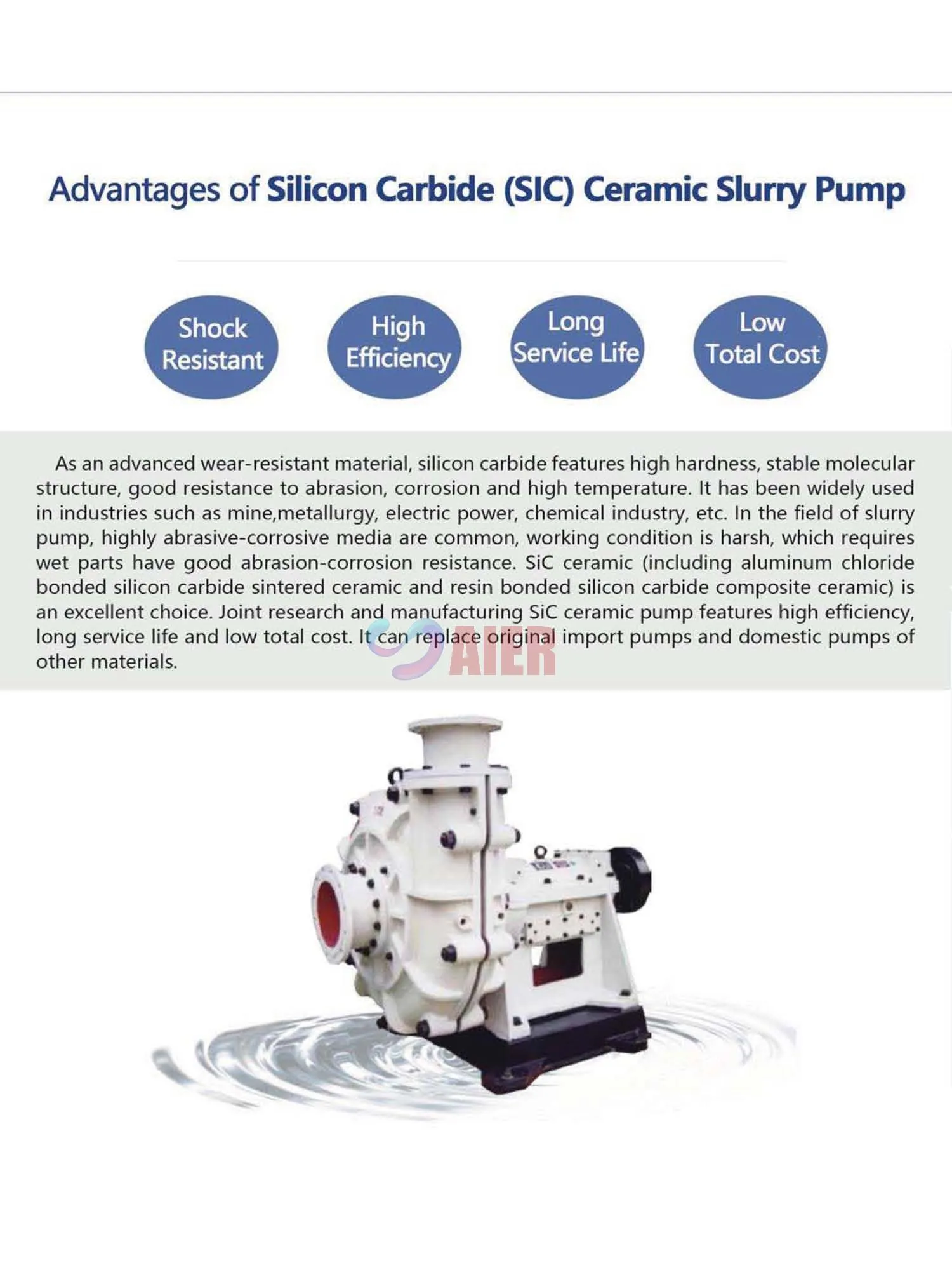
Silizio Karburoaren (SIC) Zeramikazko Minda Ponparen abantailak
Kolpeak erresistenteak
Eraginkortasun handia
Zerbitzu denbora luzea
Kostu total baxua
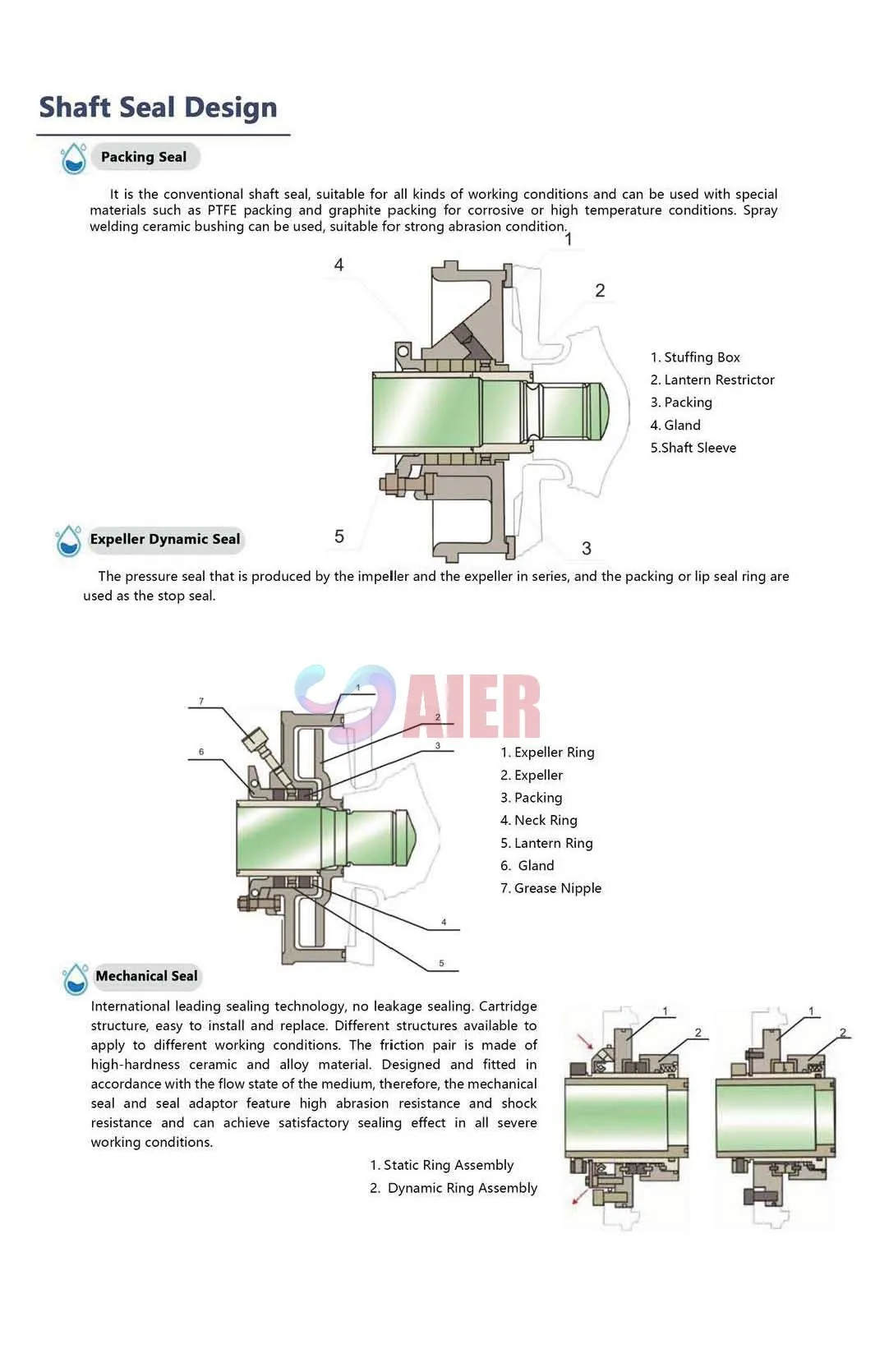
Higadurari aurre egiteko material aurreratu gisa, silizio karburoak gogortasun handia, egitura molekular egonkorra, urradura, korrosioarekiko eta tenperatura altuarekiko erresistentzia ona ditu. Asko erabilia izan da meatzaritza, metalurgia, energia elektrikoa, industria kimikoa eta abar bezalako industrietan. Minda ponparen arloan, oso urratzaile-korrosiboak dira ohikoak, eta lan-baldintzak kaltegarriak dira, eta horrek pieza hezeak urradura ona izatea eskatzen du. -korrosioarekiko erresistentzia. SiC zeramika (aluminio kloruroarekin loturiko silizio-karburo sinterizatua eta erretxinarekin loturiko silizio-karburoa barne) aukera bikaina da. SiC zeramikazko ponpen baterako ikerketak eta fabrikazioak eraginkortasun handia, zerbitzu denbora luzea eta guztizko kostu baxua ditu. Jatorrizko inportazio-ponpak eta beste materialen etxeko ponpak ordezkatu ditzake.
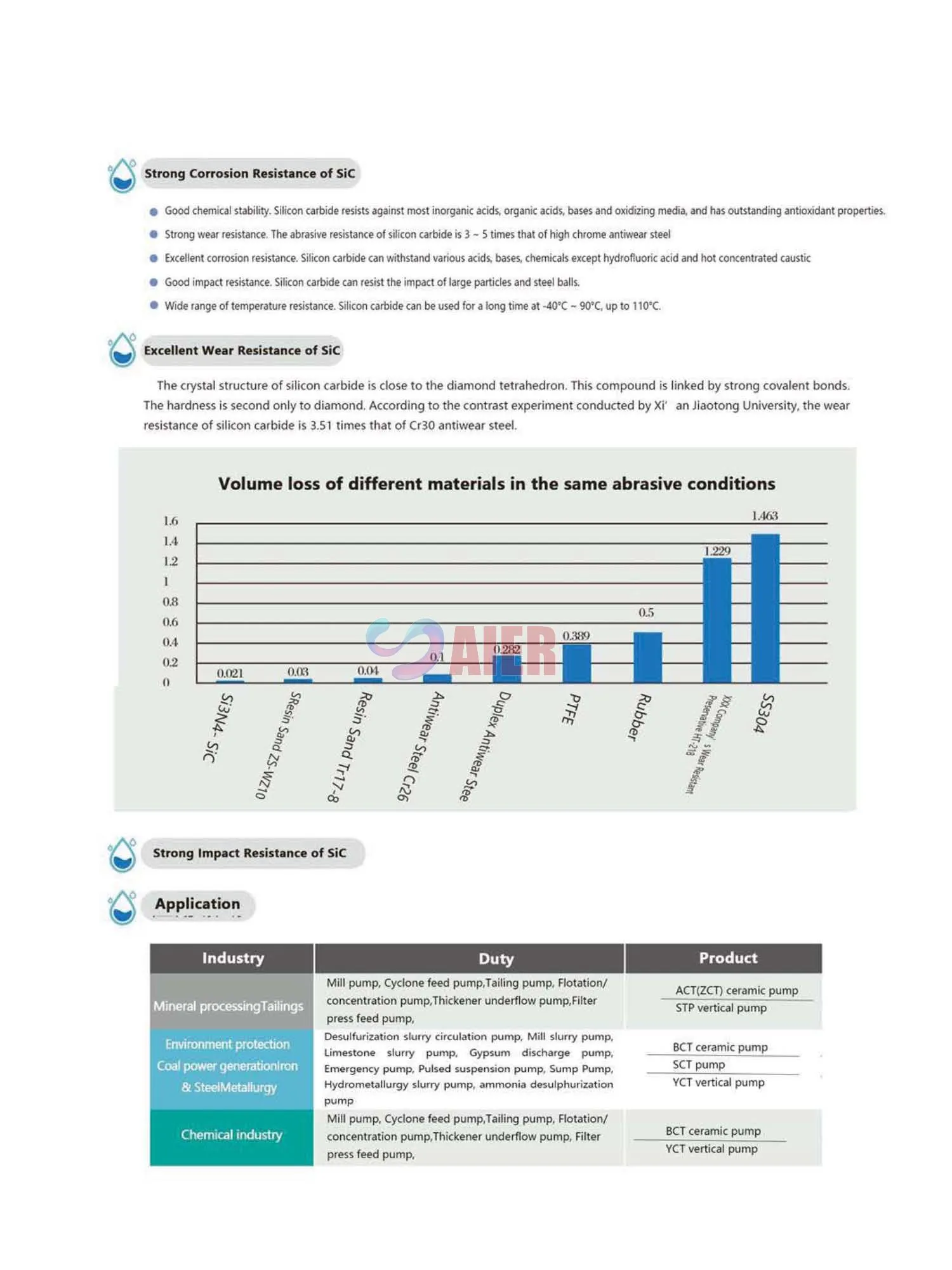
SiC-ren korrosioarekiko erresistentzia handia
Egonkortasun kimiko ona. Silizio karburoak azido inorganiko, azido organiko, base eta medio oxidatzaile gehienei aurre egiten die.
Higadura erresistentzia handia. Silizio karburoaren urradura-erresistentzia kromo handiko higaduraren aurkako altzairua baino 3 ~ 5 aldiz handiagoa da
Korrosioarekiko erresistentzia bikaina. Silizio karburoak hainbat azido, base, produktu kimiko jasan ditzake azido fluorhidrikoa eta kaustiko kontzentratua beroa izan ezik.
Talkaren erresistentzia ona. Silizio karburoak partikula handien eta altzairuzko bolen inpaktua jasan dezake.
Wide range of temperature resistance. Silicon carbide can be used for a long time at -40°C ~ 90°C, up to 110°
SiC-ren higadura-erresistentzia bikaina
The crystal structure of silicon carbide is close to the diamond tetrahedron. This compound is linked by strong covalent bonds. The hardness is second only to diamond. According to the contrast experiment conducted by Xi’an Jiaotong University, the wear resistance of silicon carbide is 3.51 times more than Cr30 antiwear steel.
SiC-ren talka-erresistentzia handia
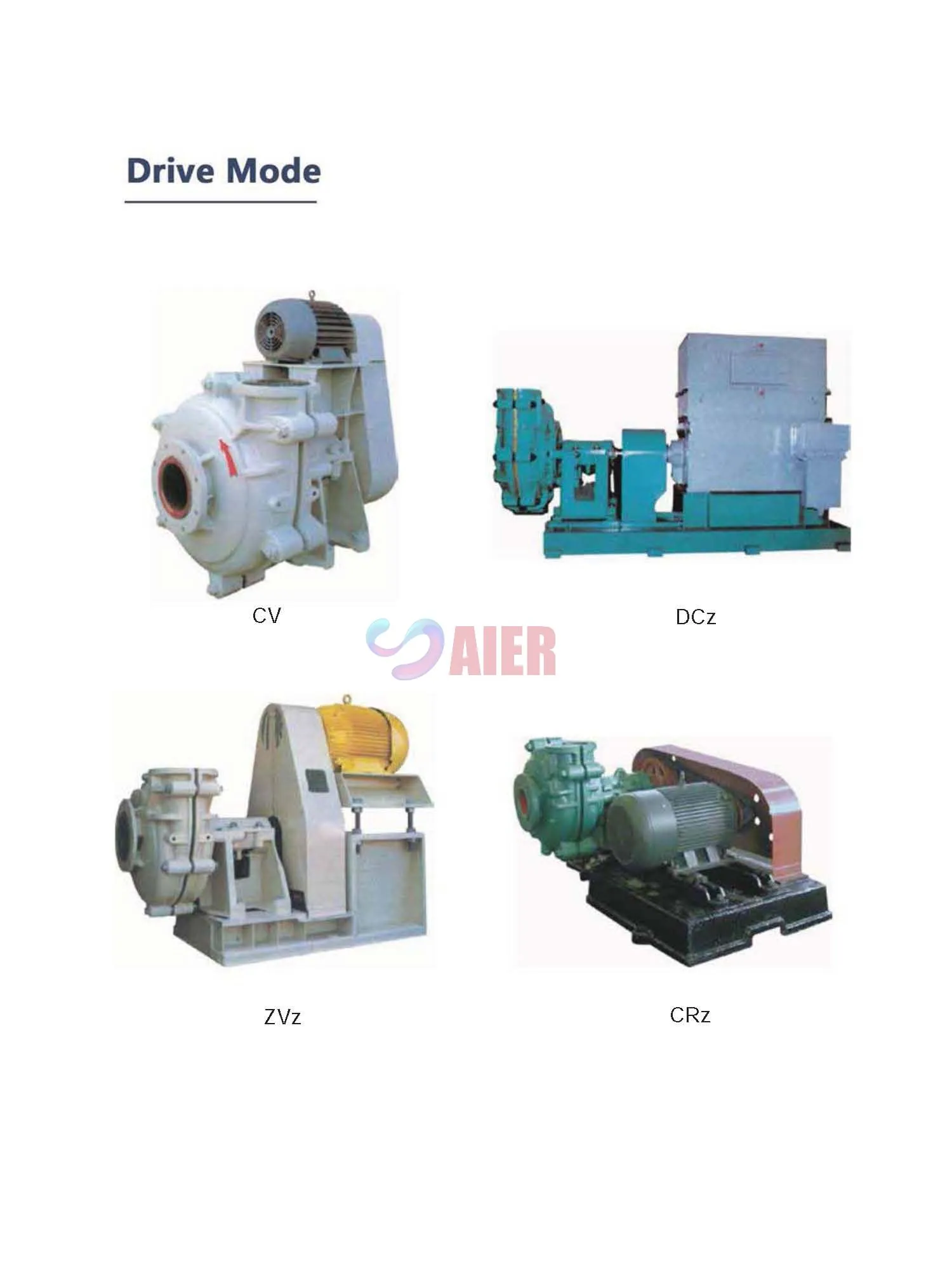
Aplikazio
|
Industria |
Geltokia |
Produktua |
|
Mineralen tratamendua
Hondarrak |
Errota-ponpa, Zikloi elikadura-ponpa, Isats-ponpa, Flotazio/kontzentrazio-ponpa, Loditzeko azpiko ponpa, Filer prentsa elikatzeko ponpa |
ACT(ZCT) zeramikazko ponpa STP ponpa bertikala |
|
Ingurumena babestea Ikatzaren energia sortzea Altzairugintza Metalurgia |
Minda-zirkulazio-ponpa desulfuratzailea, Errotako minda-ponpa, Kare-seriflux ziklo-ponpa, Igeltsuaren isurketa-ponpa, Larrialdi-ponpa, Hidrometalurgia-minda-ponpa |
BCT zeramikazko ponpa SCT ponpa YCT ponpa bertikala |
|
Industria kimikoa |
Gatzaren ingeniaritza kimikoa, mineral kimiko oso korrosiboetarako prozesu-ponpa |
BCT zeramikazko ponpa YCT ponpa bertikala |
Deskribapen orokorra
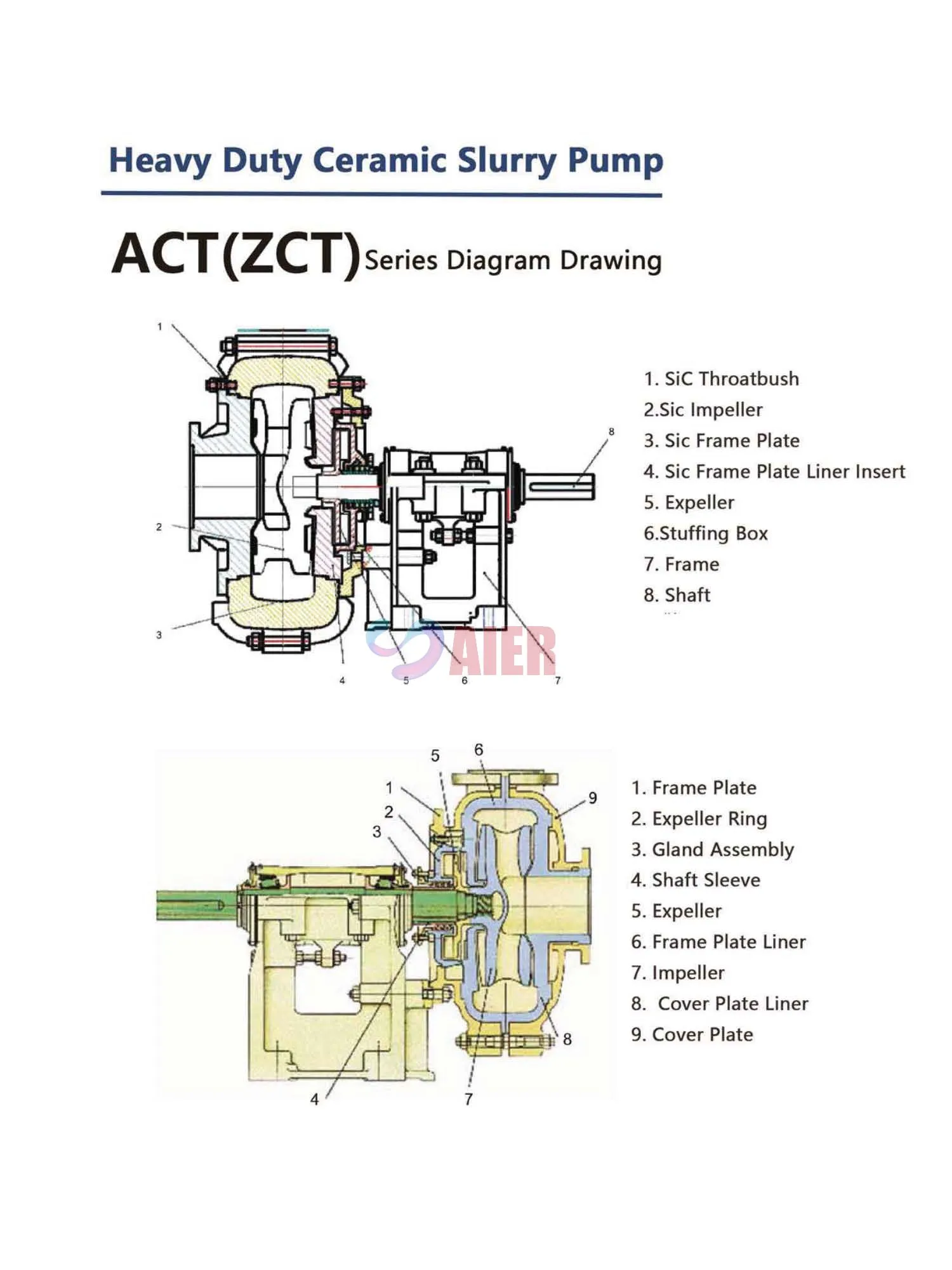
Diagrama Marrazkia
Diseinu Ezaugarriak
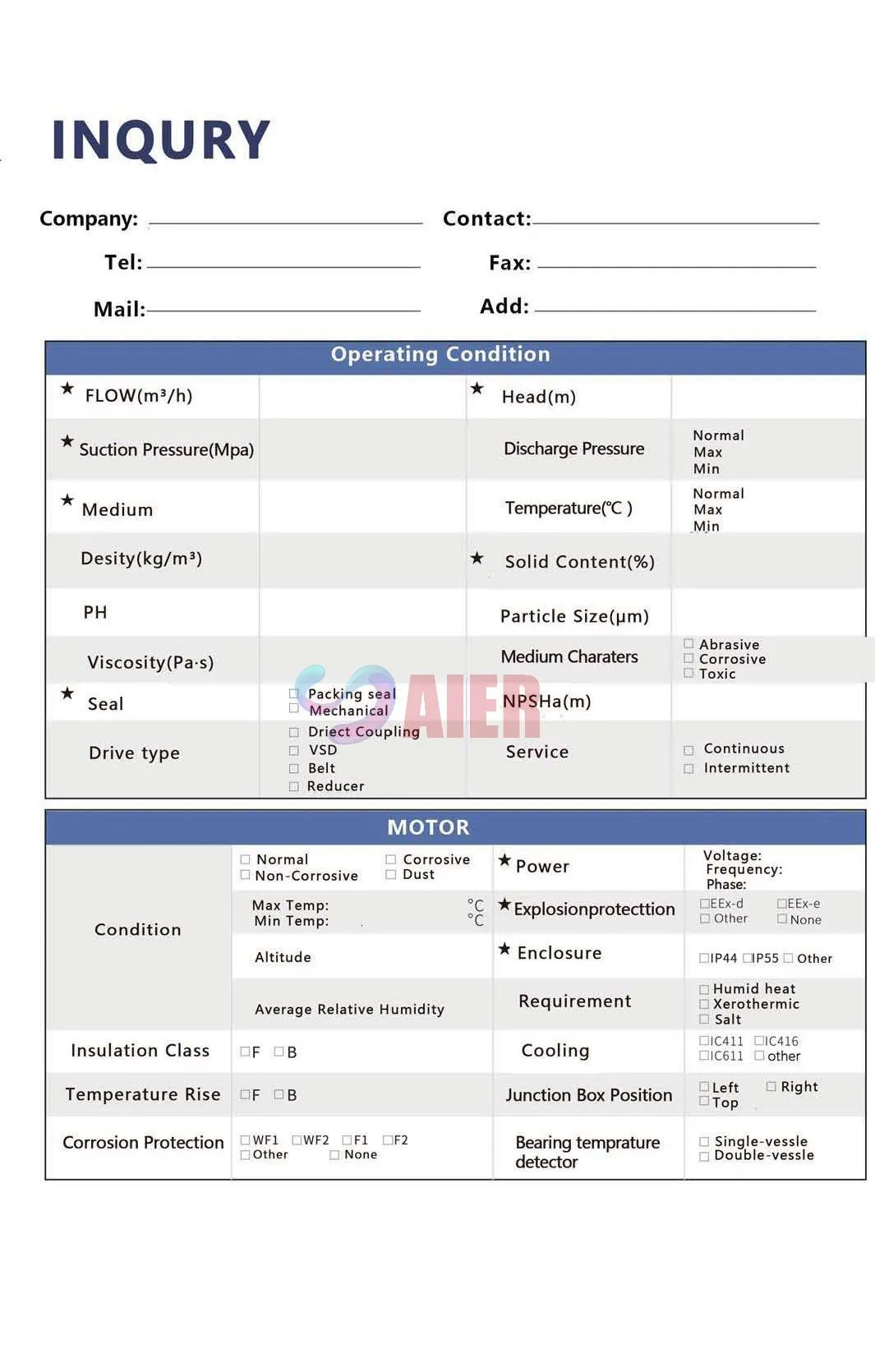
Kontsulta formularioa
Comparing Ceramic Slurry Pumps with Rubber and Metal Lined Pumps
Selecting the right type of slurry pump is crucial for optimizing efficiency and reducing operational costs. Understanding the differences between a ceramic slurry pump vs rubber pump and metal lined slurry pump can help industries make informed decisions. Each type has its own advantages, limitations, and suitable applications depending on the slurry’s abrasiveness, chemical properties, and operational conditions.
A ceramic slurry pump is ideal for highly abrasive and corrosive slurries. Its ceramic components, such as alumina or zirconia liners and impellers, provide exceptional wear resistance and chemical stability. These pumps excel in mining, metallurgy, chemical processing, and power plant desulfurization, where slurries often contain sharp or dense particles. The smooth ceramic surface reduces friction and energy loss, maintaining pump efficiency over long periods, and extending service life compared with traditional pumps.
In contrast, a rubber lined slurry pump is more suitable for moderately abrasive slurries with lower chemical aggressiveness. Rubber liners provide good corrosion resistance and absorb impact from larger particles, which helps reduce damage to the pump structure. Rubber pumps are generally more flexible and lighter than ceramic models, but they wear faster when handling highly abrasive slurries, leading to more frequent maintenance.
A metal lined slurry pump, typically made from high-chrome alloys or stainless steel, combines strength with moderate wear resistance. Metal pumps are suitable for slurries that are less abrasive but may contain corrosive chemicals. They can handle higher pressures and flow rates than rubber pumps but tend to wear faster than ceramic pumps under extreme abrasion. Industrial slurry pump comparison often highlights that metal pumps offer a balance between cost and durability but may not perform as well as ceramics in very harsh conditions.
When deciding among these options, factors such as slurry composition, operating temperature, flow rate, head, and maintenance requirements must be considered. While ceramic slurry pumps deliver maximum wear and corrosion resistance, rubber pumps offer flexibility and impact resistance, and metal lined slurry pumps provide strength and moderate durability. Choosing the correct type ensures optimal performance, lower total cost of ownership, and longer service life in industrial applications.
Ceramic Slurry Pumps in Mining: Tailings and Ore Slurry Transportation
In the mining industry, handling abrasive slurries is a major challenge that requires robust and reliable equipment. A ceramic slurry pump for mining provides an ideal solution for transporting highly abrasive ore slurries and tailings efficiently. Unlike conventional metal or rubber-lined pumps, ore slurry pumps equipped with ceramic components such as impellers, liners, and throat bushes exhibit exceptional wear resistance and durability. These properties allow mining operations to handle slurries containing coarse particles or high concentrations of solids with minimal maintenance.
Tailings transportation is one of the most demanding tasks in a mining operation. A tailings pump must withstand constant exposure to sharp and dense mineral particles, which can quickly erode traditional pump materials. Ceramic linings, made from high-purity alumina or zirconia, maintain structural integrity under these conditions, reducing downtime and replacement costs. The smooth surface of ceramic components also minimizes friction losses, maintaining high hydraulic efficiency and ensuring consistent flow rates even under heavy loads.
In addition to wear resistance, ceramic slurry pumps for mining are highly adaptable to different flow and head requirements. Manufacturers can customize impeller design, casing configuration, and ceramic thickness to match site-specific slurry conditions. For example, high-volume tailings pipelines may require pumps with larger impellers and reinforced liners, while ore concentration circuits benefit from optimized impeller geometry for improved solids handling. These customized solutions ensure maximum efficiency, reduced energy consumption, and longer service life.
Another advantage of ore slurry pumps in mining is their ability to operate under variable pH and chemical environments. Some slurries contain acidic or alkaline components due to ore processing chemicals, and ceramic linings provide superior corrosion resistance compared to metal or rubber alternatives. This combination of wear and corrosion resistance makes ceramic slurry pumps a cost-effective and reliable choice for continuous mining operations.
Overall, the use of ceramic slurry pumps in mining enhances operational reliability, reduces maintenance costs, and ensures efficient handling of abrasive ore slurries and tailings. With proper selection, installation, and routine maintenance, these pumps can deliver years of consistent performance, making them a critical component in modern mining infrastructure.
Ceramic Slurry Pumps in Chemical Industry: Handling Corrosive Liquids
In the chemical industry, pumping corrosive and abrasive slurries requires equipment that combines durability, chemical resistance, and high efficiency. A ceramic slurry pump for chemical industry meets these requirements by using advanced ceramic materials such as alumina, zirconia, or silicon carbide for critical components like impellers, liners, and wear rings. These materials ensure that the pump can handle acidic, alkaline, or chemically aggressive fluids without suffering premature wear or corrosion.
An acid slurry pump is particularly valuable in processes where strong acids or highly corrosive slurries must be transported continuously. Metal pumps often degrade quickly under these conditions, resulting in downtime and costly replacements. Ceramic linings, however, are chemically inert and maintain structural integrity, providing long-term reliability and protecting the pump casing and shaft from chemical attack. This significantly extends the service life of the pump and reduces maintenance costs for chemical plants.
In addition to chemical resistance, corrosion resistant slurry pumps offer excellent wear resistance against abrasive particles often found in industrial chemical processes. Slurries containing catalysts, precipitates, or suspended solids can erode traditional pump components, but ceramic-lined pumps retain their performance due to the high hardness and smooth surface of the ceramic material. This combination of abrasion and corrosion resistance ensures stable hydraulic efficiency over long operational periods.
Customization is another important feature of ceramic slurry pumps for the chemical industry. Manufacturers can adjust impeller design, lining thickness, and casing configuration to match specific flow rates, slurry densities, and operating temperatures. Modular designs allow easy replacement of wear parts, minimizing downtime and simplifying maintenance. By selecting the right acid slurry pump, chemical plants can optimize process efficiency while ensuring safe and reliable transport of corrosive fluids.
Overall, the use of ceramic slurry pumps in chemical industry applications enhances operational reliability, reduces maintenance costs, and improves overall process efficiency. These pumps provide a durable, high-performance solution for transporting corrosive and abrasive liquids, making them an essential component in modern chemical manufacturing and processing facilities.
Produktuen kategoriak
-
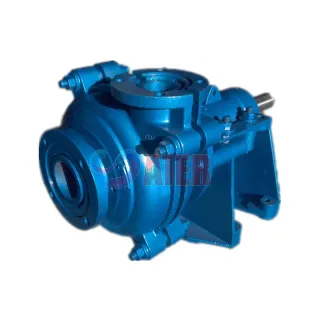
WA Erresistentzia handiko minda-ponpa
-
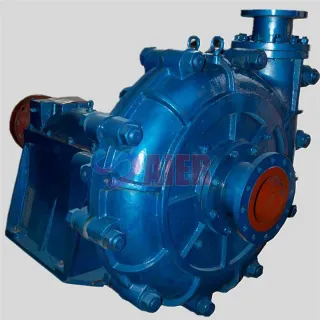
WG Buru handiko minda ponpa
-
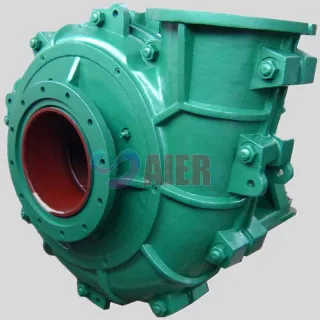
WL Arin-zerbitzuko minda-ponpa
-
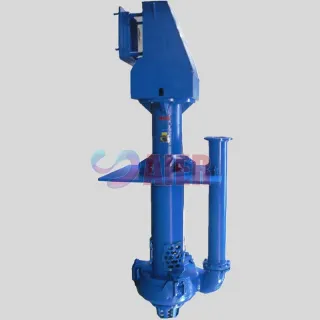
WY Pump Pump
-
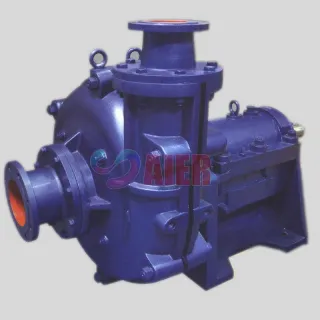
WZ eraginkortasun handiko minda-ponpa
-
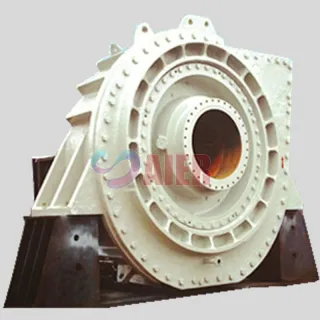
WN Draga-ponpa
-
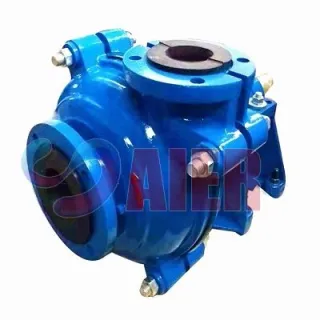
WAJ kautxuzko minda-ponpa
-
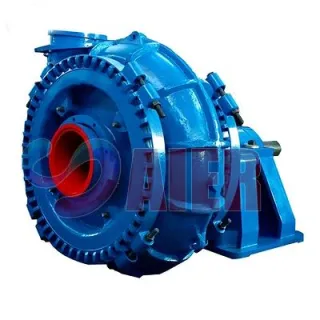
WS, WSG Legar-harea-ponpa
-
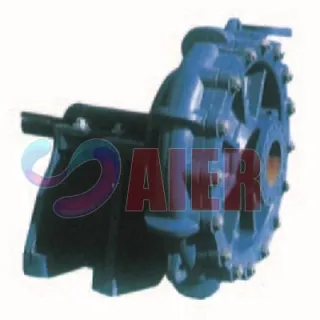
WS, WSH soluzio-ponpa
-
WY Pump Pump
-
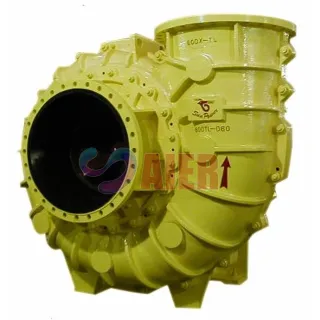
TL, TLR FGD Ponpa
-
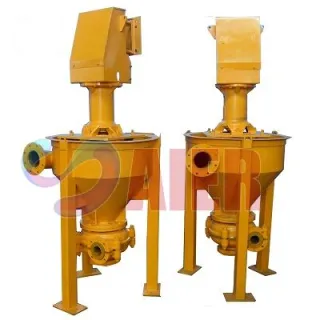
WP apar-ponpa bertikala
-
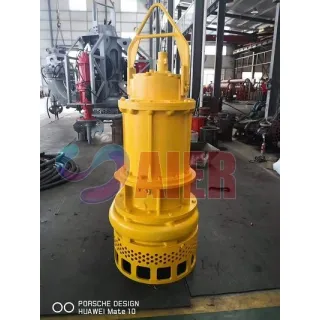
ZJQ minda-ponpa urperagarriak
-
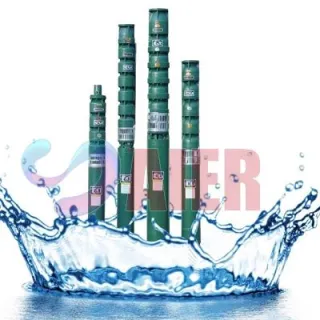
QJ PONPA urperagarria
-
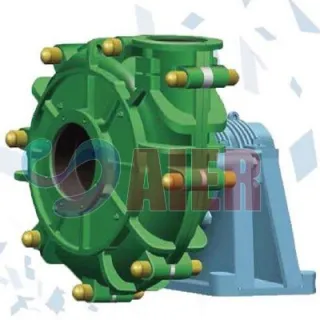
ACT (ZCT) Zeramikazko Minda Ponpak
-
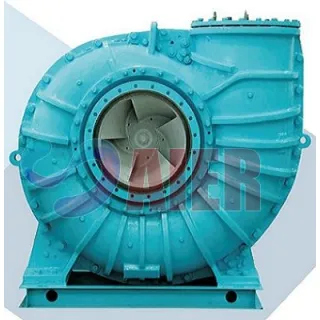
BCT zeramikazko minda-ponpak