
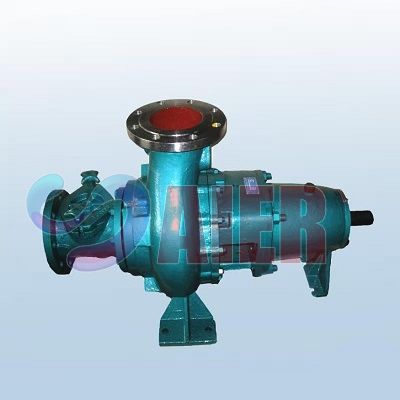
Máy bơm nước thải không tắc nghẽn KWP
Mô tả Sản phẩm
THÔNG SỐ KỸ THUẬT:
Kích thước bơm: DN 40 đến 500 mm
Tốc độ dòng chảy: lên tới 5500m3/h
Đầu xả: lên tới 100m
Fluid temperature: -40 to +120°C
Vật liệu: Gang, Gang dẻo, Thép đúc, Thép không gỉ, Thép không gỉ kép, Chrome cao, v.v.
AIER® KWP Non-clogging Sewage Pump
Tổng quan
Dòng máy bơm ly tâm không tắc nghẽn KWP là loại máy bơm không tắc nghẽn tiết kiệm năng lượng, hiệu suất cao mới với công nghệ được giới thiệu từ Công ty KSB.
Máy bơm không tắc nghẽn KWP là máy bơm nước thải không bị tắc, được sử dụng đặc biệt cho cấp nước thành phố, xử lý nước thải và nước thải, hóa chất, công nghiệp sắt thép và công nghiệp giấy, đường và thực phẩm đóng hộp.
Đặc trưng
KWP sewage pump is characterized by high-efficiency, non clogging and back pull-out design which can allow the rotor to be removed from the pump casing without disturbing the piping or dismantling the casing. This not only simplifies maintenance but also allows fast inter change of the impellers and wear plate of suction side, thereby permitting the pump to be rapidly modified to suit different operating conditions.
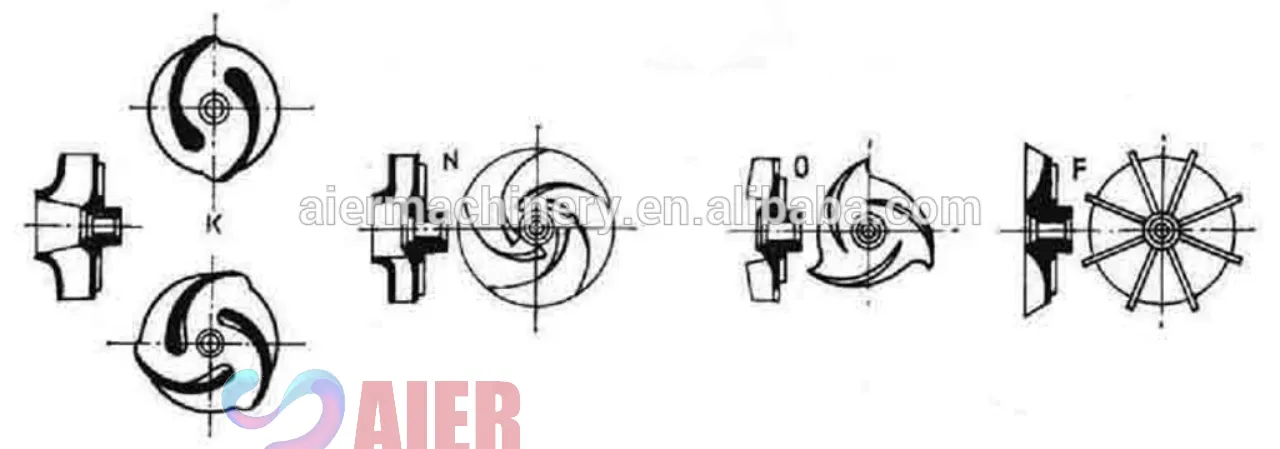
Các loại cánh quạt của máy bơm nước thải KWP không gây tắc nghẽn
Cánh quạt "K": Đã đóng cánh quạt không bị tắc
Dùng cho nước sạch, nước thải, chất lỏng chứa chất rắn và bùn không giải phóng khí.
Cánh quạt "N": Cánh quạt nhiều cánh đóng
Đối với nước trong, các chất lỏng có chứa huyền phù nhẹ như nước thải đã qua xử lý, nước sàng, nước bột giấy, nước đường, v.v.
Cánh quạt "O": Cánh quạt mở
Các ứng dụng tương tự như cánh quạt "N", nhưng cũng bao gồm cả chất lỏng chứa không khí.
Cánh quạt "F": Cánh quạt dòng chảy tự do
Đối với chất lỏng chứa chất rắn thô có khả năng bó hoặc tết (chẳng hạn như phụ gia sợi dài, hạt dính, v.v.) và chất lỏng chứa không khí.
Ứng dụng của máy bơm nước thải KWP không gây tắc nghẽn
Chúng có thể được áp dụng cho cấp nước thành phố, nhà máy nước, nhà máy bia, công nghiệp hóa chất, xây dựng, khai thác mỏ, luyện kim, sản xuất giấy, sản xuất đường và công nghiệp thực phẩm đóng hộp, đặc biệt áp dụng cho các công trình xử lý nước thải; trong khi đó, một số cánh quạt thích hợp để vận chuyển vật thể chứa chất rắn hoặc hỗn hợp chất lỏng rắn không mài mòn dạng sợi dài.
Chúng được sử dụng rộng rãi trong việc vận chuyển trái cây, khoai tây, củ cải đường, cá, ngũ cốc và các thực phẩm khác mà không bị mất mát.
Loại bơm KWP thường phù hợp để cung cấp môi trường trung tính (giá trị PH: khoảng 6-8). Để ứng dụng chất lỏng ăn mòn và các yêu cầu đặc biệt khác, có sẵn vật liệu chống ăn mòn, chống mài mòn.
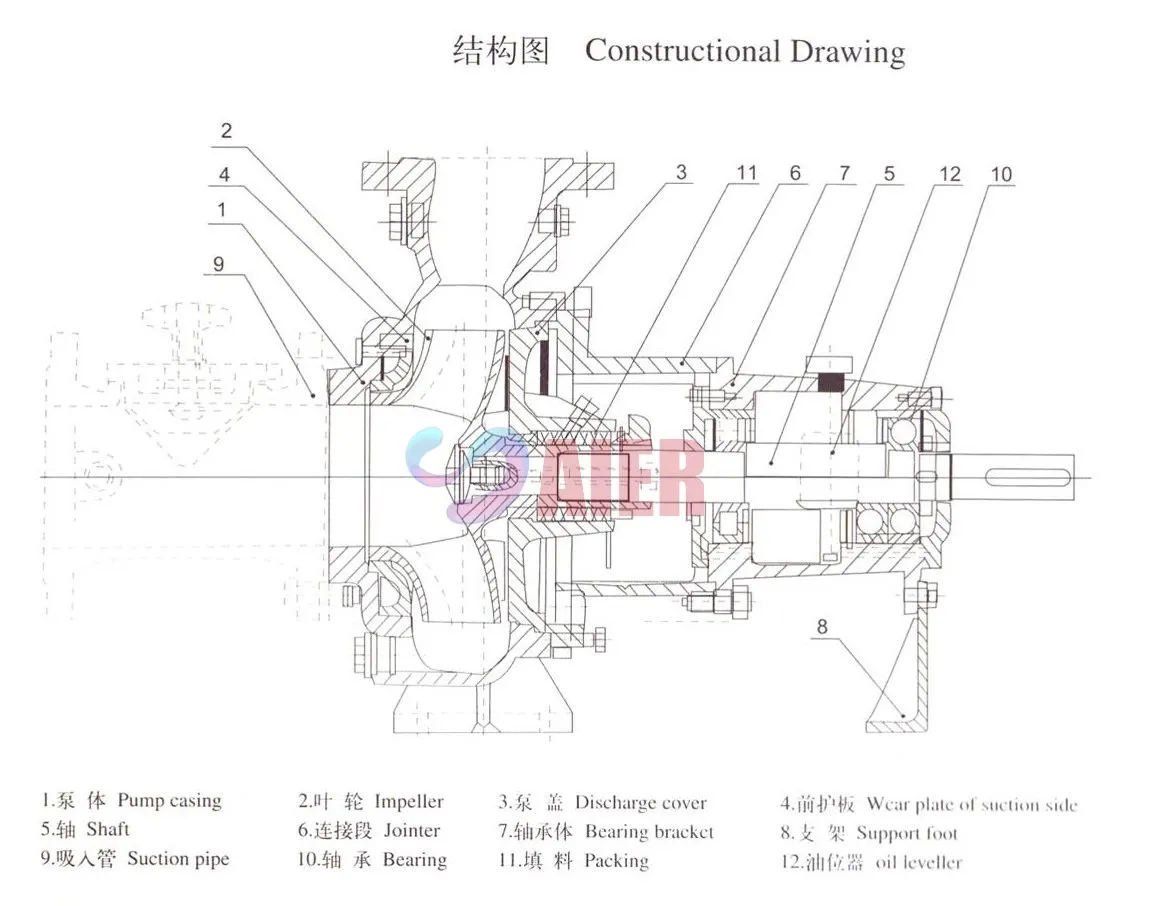
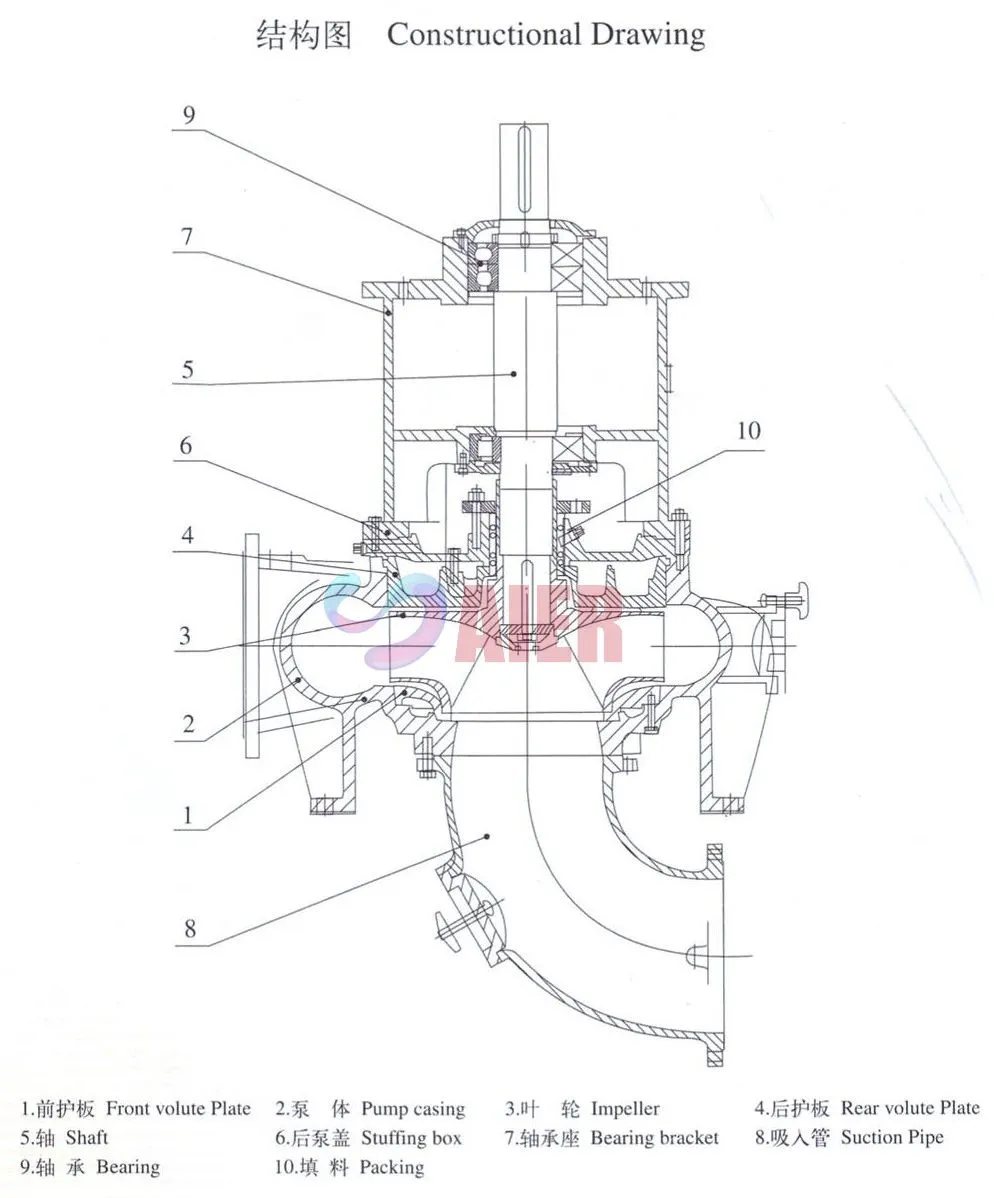
Bản vẽ thi công
Bản vẽ thi công máy bơm nước thải không tắc KWP
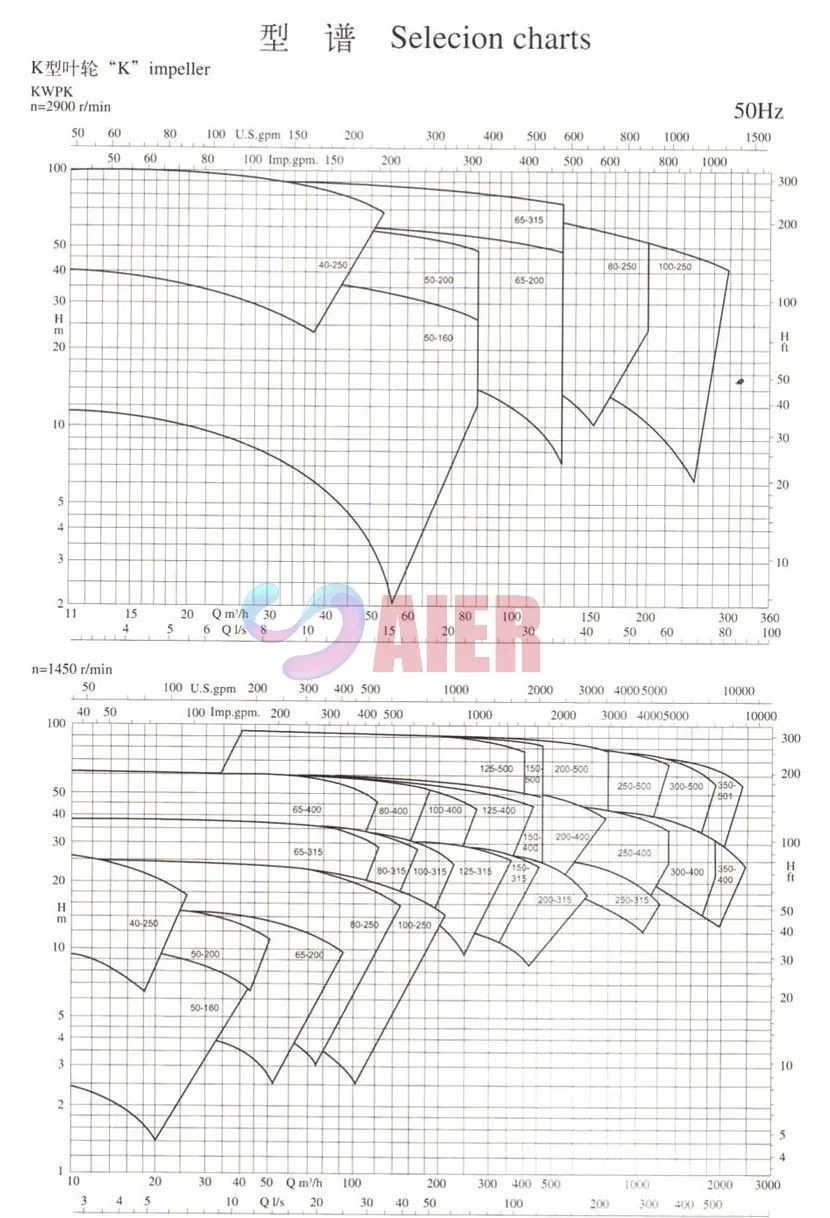
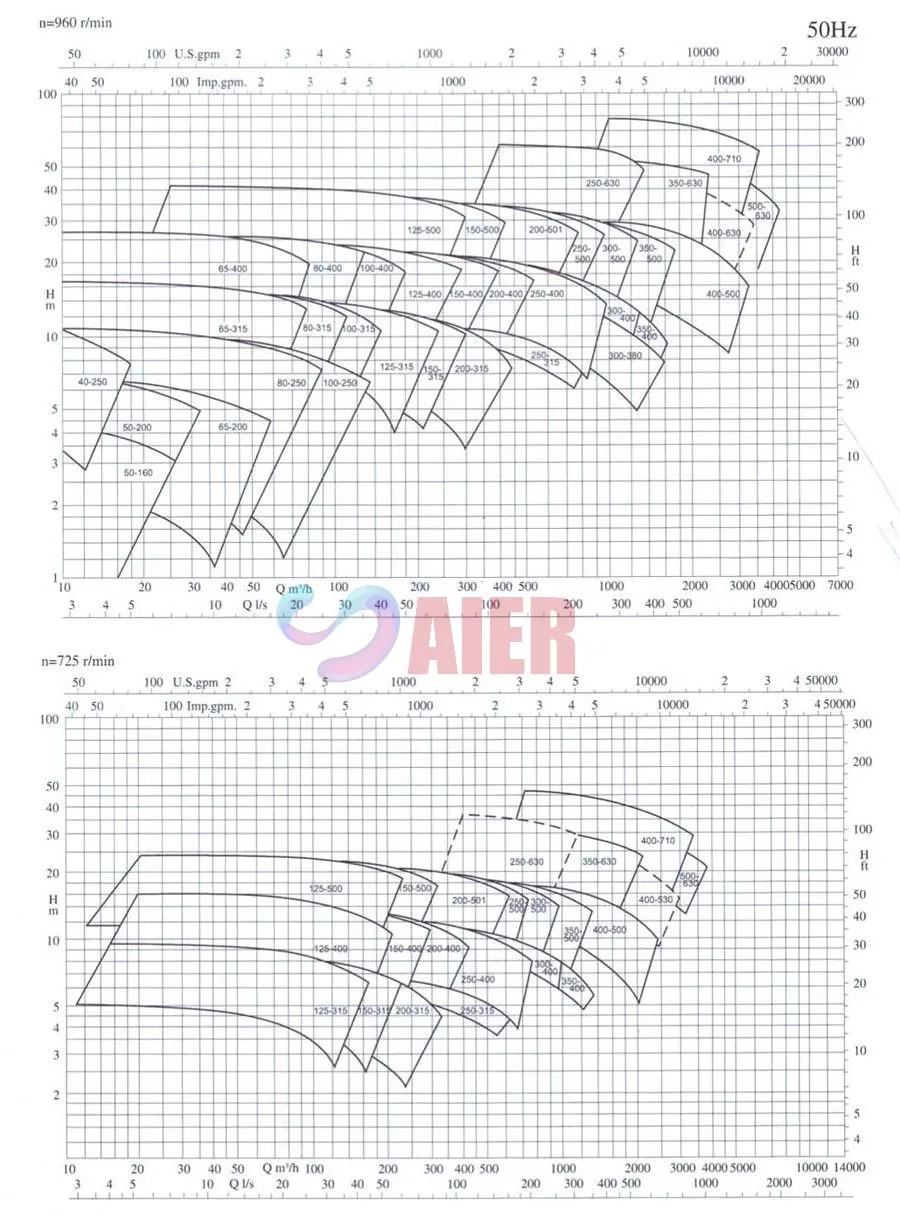
Sơ đồ lựa chọn
Sơ đồ lựa chọn máy bơm không tắc KWPk
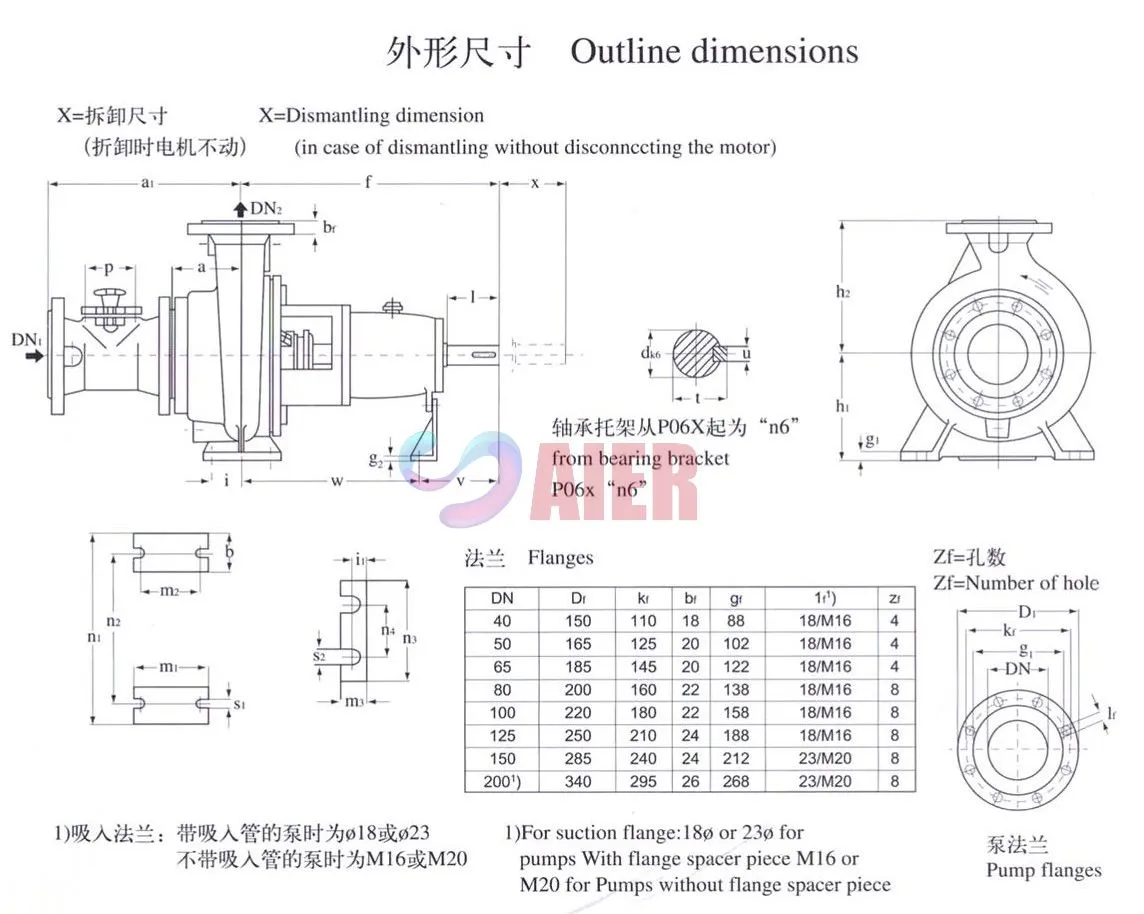
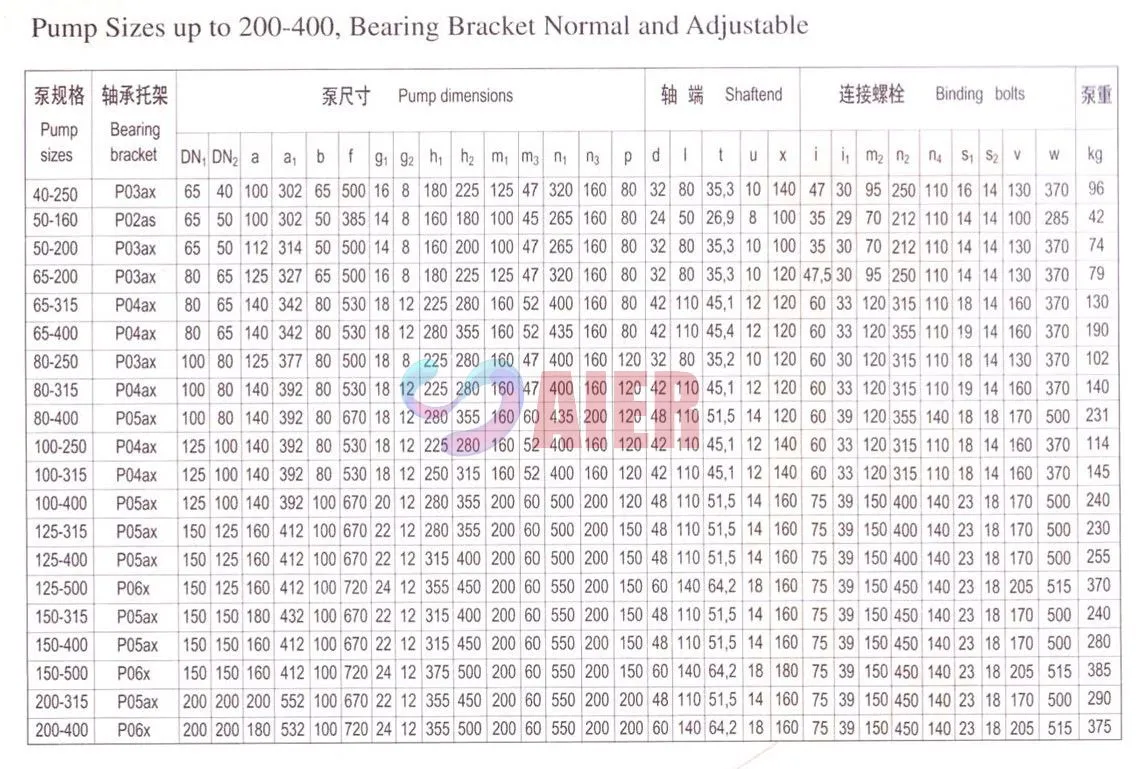
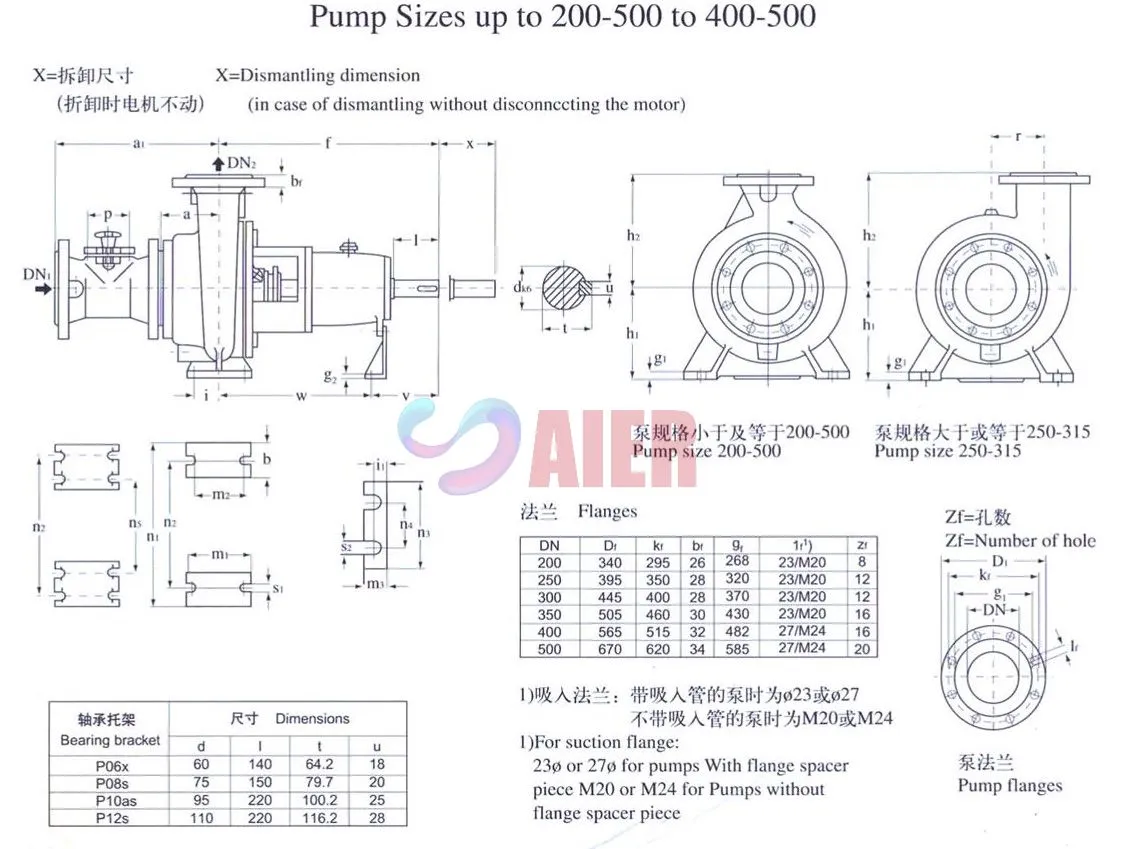
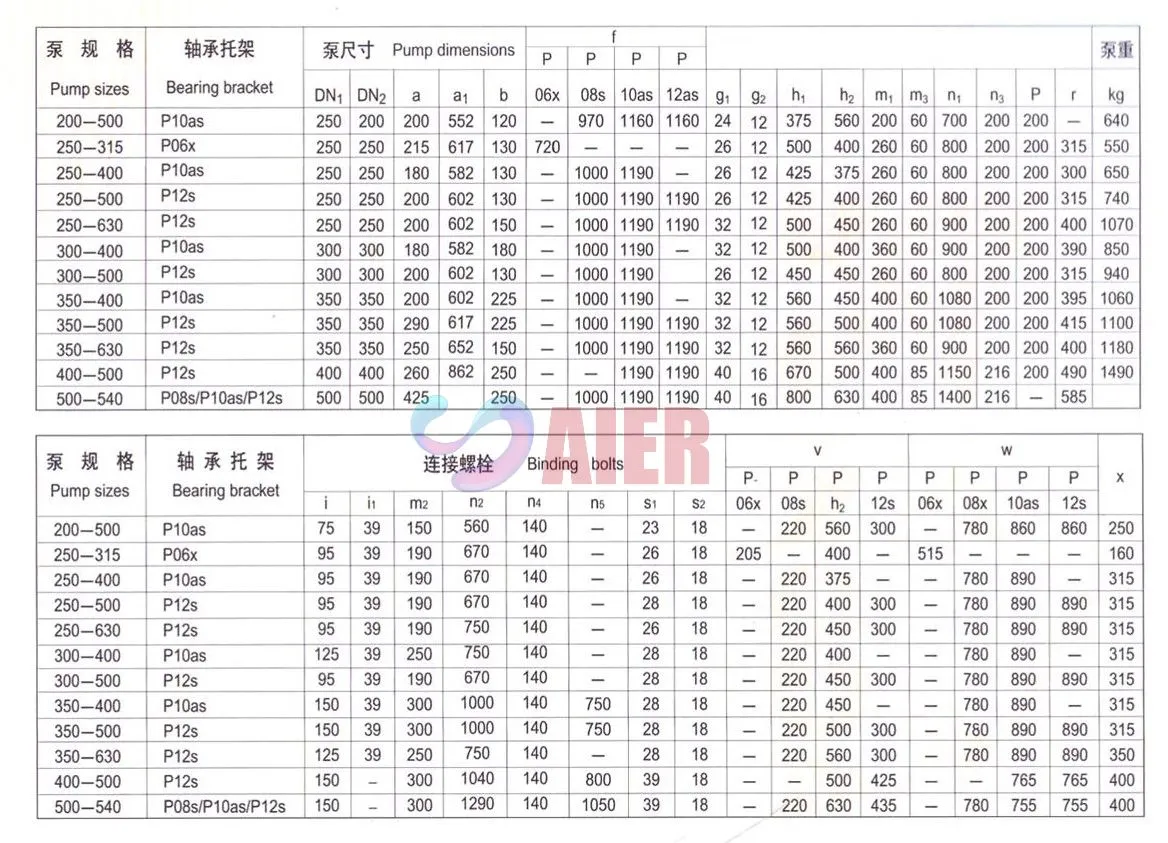
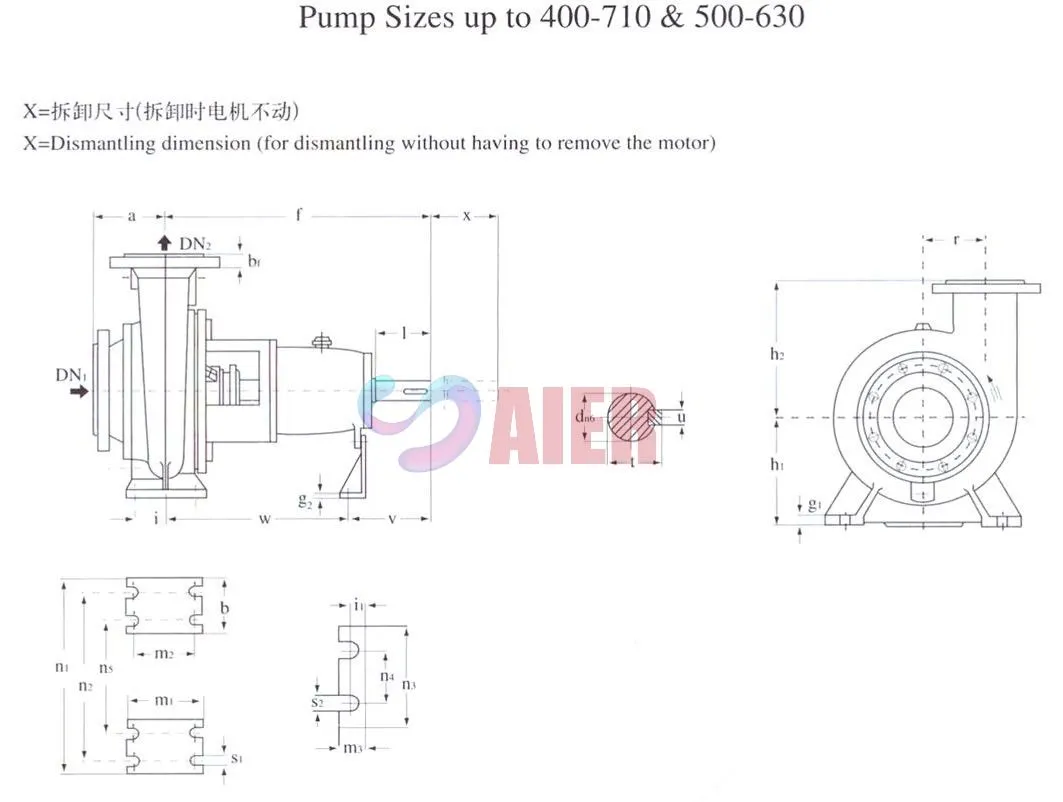
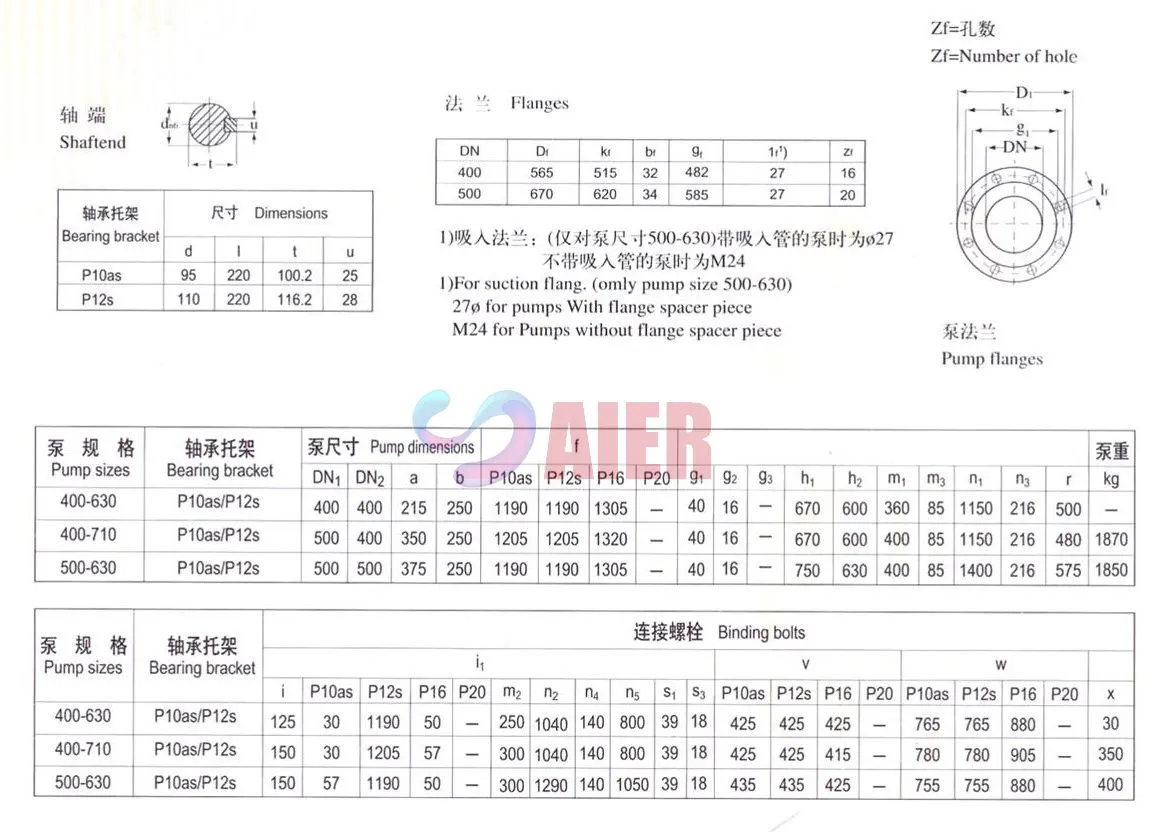
Kích thước phác thảo
Kích thước phác thảo của máy bơm nước thải không tắc nghẽn KWP
How Centrifugal Sewage Pump Factories Ensure Efficiency and Durability
A professional centrifugal sewage pump factory plays an essential role in delivering reliable and long-lasting wastewater transfer solutions. In both municipal and industrial sectors, a sewage pump manufacturer must focus on innovation, material excellence, and precision engineering to ensure every sewage pump meets global standards for efficiency and durability.
The manufacturing process begins with material selection—one of the most critical stages in ensuring performance. Premium factories typically use high-chromium cast iron, stainless steel, or duplex alloys for pump casings and impellers. These materials provide excellent wear and corrosion resistance, which is vital when the heavy duty sewage pump is exposed to slurry, sand, chemicals, or fibrous waste in treatment facilities. Each component is machined using CNC equipment for accuracy, ensuring perfect balance and alignment.
In terms of efficiency, centrifugal sewage pump factories often employ advanced fluid simulation technologies, such as Computational Fluid Dynamics (CFD), to design impeller and volute geometries that optimize flow while minimizing energy loss. This engineering precision improves hydraulic efficiency and reduces clogging risks, which is particularly important for large municipal drainage systems.
Durability is guaranteed through strict quality control at every stage. Every high quality sewage pump undergoes pressure, flow, and seal integrity tests before leaving the factory. Pumps are tested under simulated field conditions to verify performance stability. Anti-wear coatings, double mechanical seals, and reinforced bearings extend the pump’s operational lifespan even under demanding conditions.
Additionally, reliable sewage pump manufacturers provide modular designs for easier maintenance and part replacement. They may also incorporate smart monitoring systems to detect temperature, vibration, and leakage changes in real time—preventing costly breakdowns.
In summary, a reputable centrifugal sewage pump factory combines high-grade materials, fluid engineering, and intelligent quality management to produce heavy duty sewage pumps that ensure excellent hydraulic performance, low maintenance costs, and long-term reliability in wastewater and industrial applications.
Maintenance and Troubleshooting Tips for Sewage Pump Systems
To keep a high quality sewage pump operating at peak efficiency, regular maintenance and systematic troubleshooting are vital. Whether used in municipal wastewater plants, factories, or flood control systems, a well-maintained sewage pump can prevent costly downtime and significantly extend its lifespan.
Routine inspection starts with the external components. Operators should check for leaks, unusual vibrations, or noise. For heavy duty sewage pumps, frequent inspection of the pump casing and impeller is critical since abrasive particles can cause erosion or imbalance. Cleaning the suction and impeller areas regularly helps maintain smooth flow and prevents blockages.
Lubrication plays another important role. Bearings and seals in a sewage pump require periodic lubrication to reduce friction and wear. Over-lubrication can cause overheating, while lack of lubrication can result in bearing seizure. Always follow the sewage pump manufacturer’s lubrication schedule and recommended grease type.
Electrical systems also require attention. Loose connections, damaged insulation, or unstable voltage can lead to motor failure. For submersible types, ensuring cable sealing integrity prevents water ingress and short-circuiting.
When troubleshooting performance issues, start with flow rate and discharge pressure. If output drops, inspect for clogged impellers or suction lines. Excessive noise or vibration may indicate cavitation, misalignment, or worn bearings. Professional centrifugal sewage pump factories often recommend vibration analysis tools or temperature sensors to identify issues early before they escalate.
Preventive maintenance schedules, such as quarterly performance testing and yearly overhauls, can dramatically extend service life. Proper record-keeping of maintenance history helps operators predict wear patterns and replace parts before failure occurs.
By following these steps, users can ensure that their high quality sewage pump continues to operate efficiently, reducing energy costs and avoiding unexpected breakdowns in both municipal and industrial wastewater systems.
Comparing Submersible vs Centrifugal Sewage Pumps: Which is Better for You?
Choosing between a submersible sewage pump and a centrifugal sewage pump can greatly impact system efficiency, installation convenience, and maintenance requirements. Both pump types, designed by experienced sewage pump manufacturers, serve distinct operational needs and environments.
A submersible sewage pump is installed directly inside the wastewater, fully submerged during operation. Its sealed motor prevents water entry, making it ideal for applications with limited space such as residential basements, sewage pits, and municipal collection tanks. Because it operates underwater, it offers quiet operation and efficient priming without the need for external suction lines.
On the other hand, a centrifugal sewage pump factory typically produces dry-installed pumps, where the motor and impeller housing remain outside the fluid. This configuration allows for easy maintenance and access, which is highly beneficial in large-scale industrial applications such as chemical processing, paper mills, or mining operations. Heavy duty sewage pumps in this category can handle high flow rates, large solids, and corrosive fluids with minimal wear.
When comparing performance, high quality sewage pumps in submersible form tend to excel in space-saving installations and automatic operation. However, they can be harder to service since removal from the sump is necessary for inspection. Centrifugal pumps, in contrast, offer easier maintenance, durability, and flexibility in handling different fluid viscosities and temperatures.
For facilities that require continuous, high-volume wastewater transfer with easy access for inspection, the centrifugal sewage pump from a trusted sewage pump manufacturer is typically the better choice. Meanwhile, for underground or remote drainage systems where noise and space are concerns, submersible sewage pumps provide the ideal balance of efficiency and compactness.
Ultimately, the best pump depends on your system design, installation space, and maintenance resources. Consulting a reputable centrifugal sewage pump factory ensures you select a pump that provides long-term reliability, minimal energy consumption, and maximum performance tailored to your specific wastewater handling requirements.
Danh mục sản phẩm
-
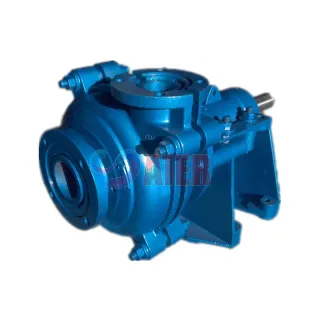
Máy bơm bùn hạng nặng WA
-
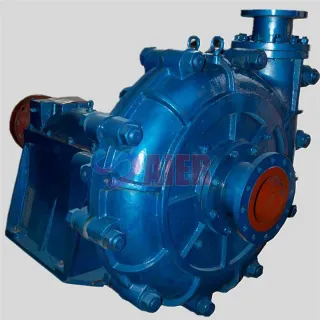
Máy bơm bùn cao cấp WG
-
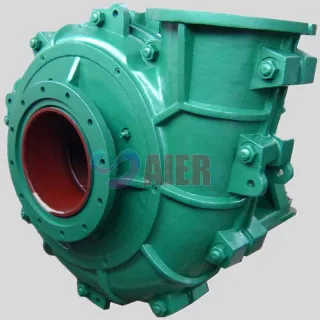
Máy bơm bùn hạng nhẹ WL
-
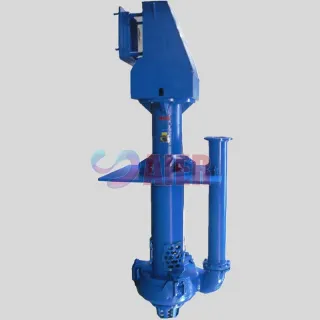
Máy bơm bể phốt WY
-
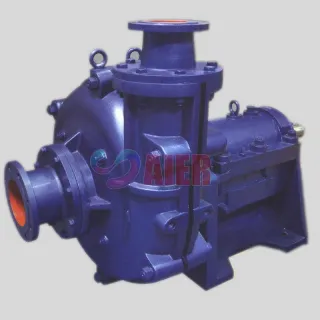
Máy bơm bùn hiệu suất cao WZ
-
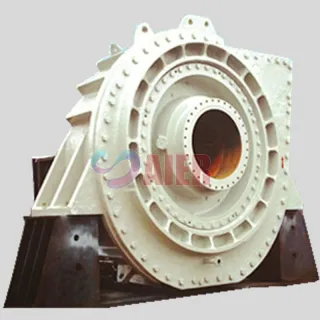
Máy bơm nạo vét WN
-
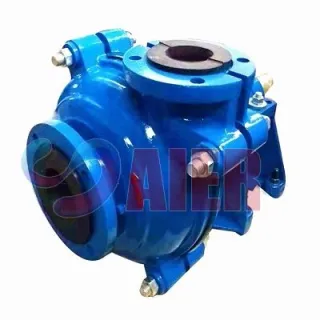
Máy bơm bùn cao su WAJ
-
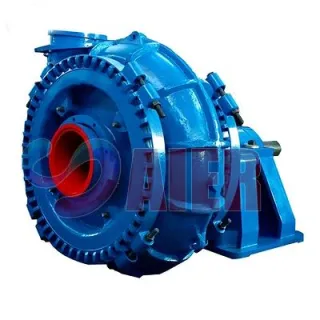
Máy bơm cát sỏi WS, WSG
-
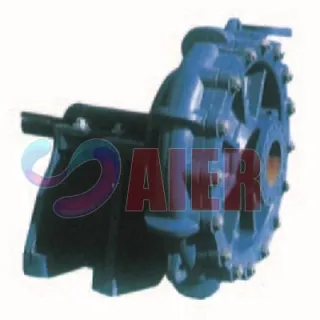
Bơm giải pháp WS, WSH
-
Máy bơm bể phốt WY
-
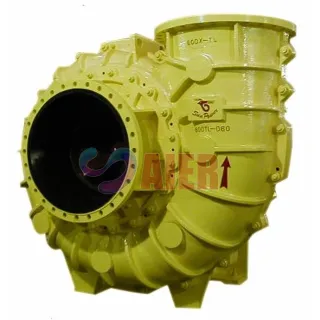
Bơm TL, TLR FGD
-
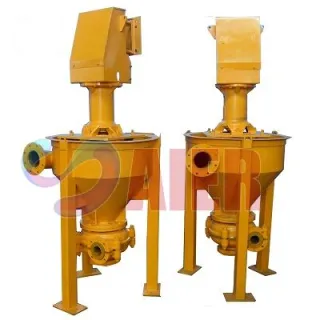
Bơm bọt dọc WP
-
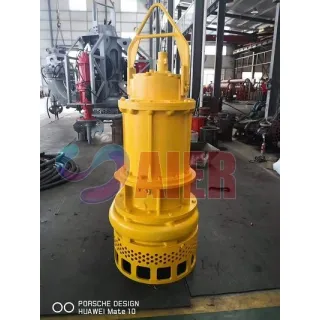
Máy bơm bùn chìm ZJQ
-
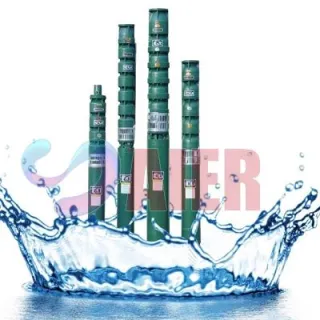
BƠM CHÌM QJ
-
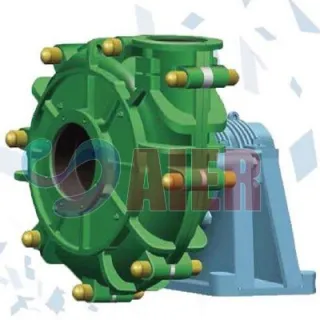
Máy bơm bùn gốm ACT (ZCT)
-
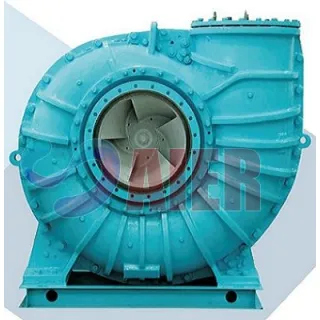
Máy bơm bùn gốm BCT