
QJ سبمرسیبل پمپ
مصنوعات کی وضاحت
عمومی وضاحت
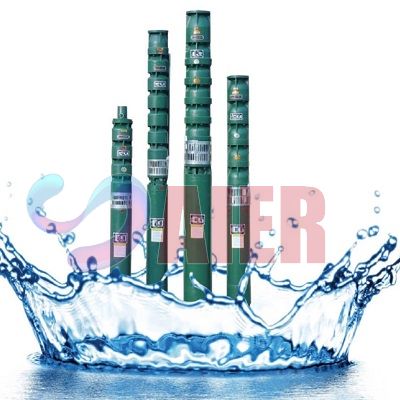
QJ آبدوز پمپ بنیادی طور پر ایک گہرے کنویں سے پانی لے جانے اور فروغ دینے کے لیے استعمال کیا جاتا ہے اور بڑے پیمانے پر کھیتوں کی آبپاشی، شہری اور دیہی علاقوں میں پانی کی نکاسی اور کانوں اور صنعتی اداروں اور آبی تحفظ کے کاموں بشمول ریزروائر، فاؤنٹین، کولنگ سسٹم اور سپا وغیرہ میں استعمال ہوتا ہے۔ اہم خصوصیات مندرجہ ذیل ہیں: استعمال میں آسان، آسان تنصیب، آسان دیکھ بھال، ماحولیاتی تحفظ وغیرہ کے فوائد کے ساتھ، الیکٹرک ڈائیونگ پمپ جو موٹر اور واٹر پمپ کو اکٹھا کرتا ہے پانی میں کام کر سکتا ہے اور اس کا استعمال اور مرمت کرنا آسان ہے۔
سبمرسبل واٹر پمپ بنانے والے
ہم چین میں آبدوز پمپ کے ایک پیشہ ور صنعت کار ہیں۔ پانی کے پمپوں کے علاوہ، ہم مختلف سلری پمپ، بجری پمپ، ڈیسلفرائزیشن پمپ وغیرہ بھی فراہم کرتے ہیں۔ مختلف درخواستوں کے مطابق، ہم مختلف مواد جیسے سٹینلیس سٹیل کاسٹنگ، سٹینلیس پریس ویلڈنگ، کانسی کاسٹنگ، سادہ لوہے کاسٹنگ، وغیرہ فراہم کر سکتے ہیں۔ سنکنرن مزاحم خصوصی مواد کاسٹنگ. پمپ بیرونی قطر کے ساتھ سخت ہونا چاہیے، اس لیے موٹر سیل لیک ہونے اور پانی کی آلودگی جیسی صورت حال پیدا نہیں ہوگی۔
وضاحتیں
سائز (خارج): 4" سے 16"
صلاحیت: 2-500m3/hr
سر: 10m-500m
گھریلو طاقت: 0.75-450 کلو واٹ
مواد: کاسٹ آئرن، کانسی، سٹینلیس سٹیل وغیرہ
AIER® QJ Submersible Pump
استعمال کی شرائط
① پاور: 380V/3 فیز AC، 50Hz
②پانی کا معیار:
A. پانی کا درجہ حرارت 20 ℃ سے کم ہے (اعلی درجہ حرارت کی مزاحمت 80 ℃)
B. ٹھوس مواد 0.01% سے کم ہے (معیار پر منحصر ہے)
C. PH 6.5-8.5
D. ہائیڈروجن سلفائیڈ کا مواد 1.15mg/l سے کم ہے۔
E. آکسائیڈ آئن کا مواد 400mg/l سے کم ہے۔
③سبمرسیبل موٹر کا اندرونی حصہ صاف پانی سے بھرا ہونا چاہیے اور آبدوز پمپ کو کام کرنے کے لیے محفوظ طریقے سے ڈوبنا چاہیے۔
④ماؤنٹنگ گہرائی پانی کے پمپ کے 20 فیصد سے زیادہ نہیں ہونی چاہیے اور اچھی طرح سے چہرہ ہموار اور سیدھا ہونا چاہیے۔
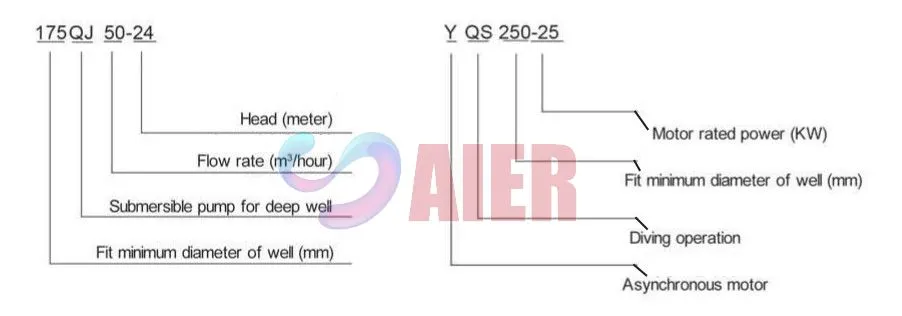
نوٹیشن ٹائپ کریں۔
اہم خصوصیات
1. موٹر گیلی سبمرسبل موٹر ہے. موٹر چیمبر کو صاف پانی سے بھرنا چاہیے جو موٹر کو ٹھنڈا کرنے اور چکنا کرنے والے بیئرنگ کے لیے استعمال ہوتا ہے۔ بیس یا موٹر پر وولٹیج ریگولیٹ کرنے والی فلم کا استعمال دباؤ کے فرق کو ایڈجسٹ کرنے اور موٹر کے اندرونی حصے میں پانی کے پھیلاؤ کے لیے کیا جاتا ہے جو موٹر کے درجہ حرارت کی تبدیلیوں کی وجہ سے ہوتی ہے۔
2. کنویں سے ریت کے دانے کو موٹر کے اندرونی حصے میں داخل ہونے سے روکنے کے لیے، اوپری شیل ایکسٹینشن میں دو سیل آئل لگائے جاتے ہیں جو پیچھے کی طرف نصب ہوتے ہیں اور ایک ریت کی انگوٹھی لگائی جاتی ہے۔
3. واٹر پمپ شافٹ کو جمپنگ سے روکنے کے لیے، واٹر پمپ شافٹ اور موٹر شافٹ کو کپلنگ کے ذریعے جوڑا جاتا ہے اور موٹر کے نیچے والے حصوں میں تھرسٹ بیئرنگ لگانا چاہیے۔
4. پانی موٹر اور واٹر پمپ بیئرنگ کو چکنا کرتا ہے۔
5. سٹیٹر وائنڈنگ کے لیے سبمرسیبل موٹر سمیٹنے والی تاریں استعمال کی جاتی ہیں۔ لہذا یہ اچھی طرح سے موصلیت رکھتا ہے۔
6. سینٹری فیوگل امپیلر اور عمودی بلوئر انلیٹ کیسنگ کو target="_blank">واٹر پمپ کے لیے استعمال کیا جاتا ہے اور ساخت سادہ ہے۔
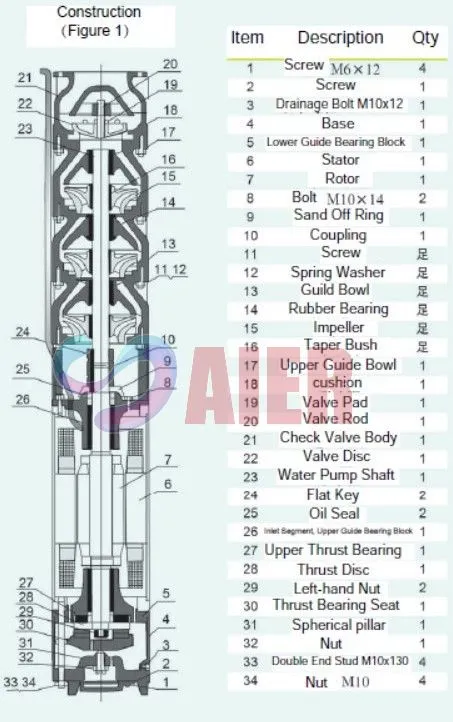
تعمیراتی خاکہ
کیو جے سبمرسیبل پمپ بنیادی طور پر فیڈ پوائنٹ، واٹر پمپ شافٹ، امپیلر، بلور انلیٹ کیسنگ، ربڑ بیئرنگ، چیک والو (آپشن) وغیرہ پر مشتمل ہوتا ہے۔ سبمرسیبل موٹر بیس، وولٹیج ریگولیٹنگ فلم، تھرسٹ بیئرنگ، تھرسٹ ڈسک، لوئر گائیڈ بیئرنگ بلاک پر مشتمل ہوتی ہے۔ اسٹیٹر، اسٹیٹر وائنڈنگ، روٹر، اپر گائیڈ، بیئرنگ بلاک، سینڈ آف رنگ، آؤٹ لیٹ کیبل وغیرہ۔
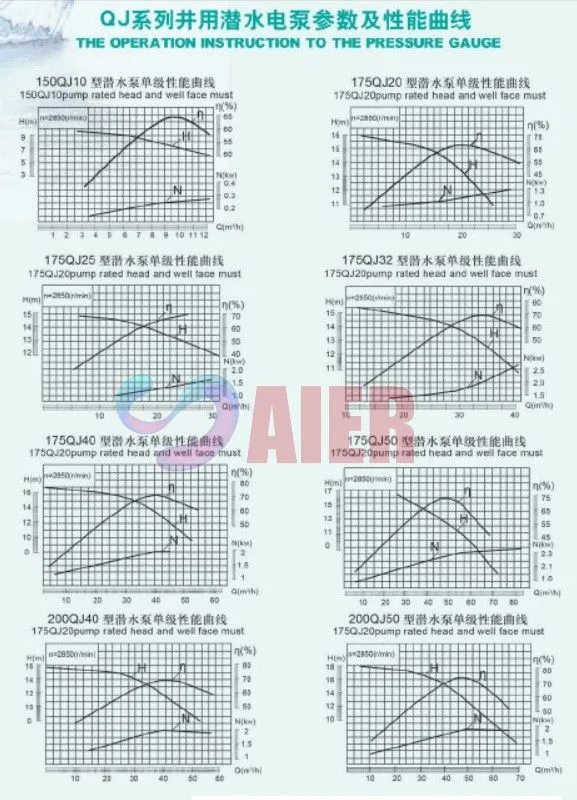
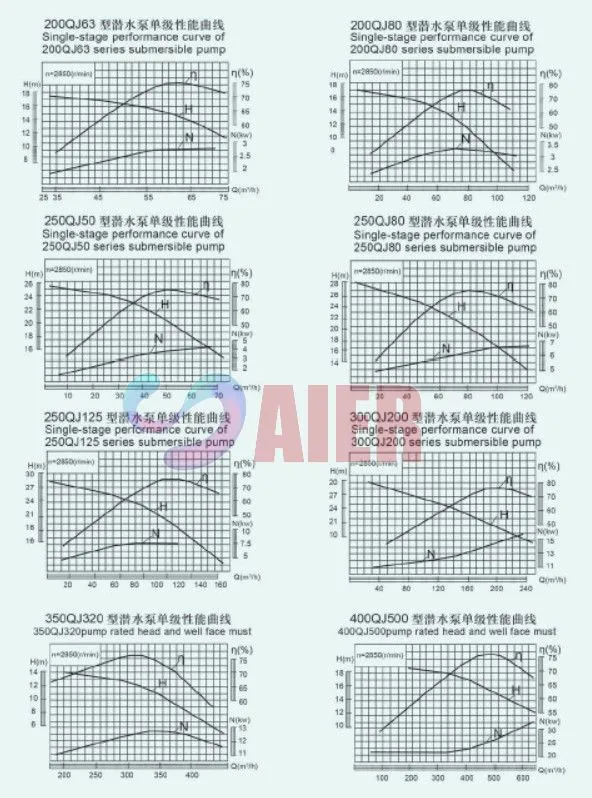
کارکردگی وکر
Advantages of Using Submersible Water Pumps for Continuous Operation
A submersible water pump is a highly efficient and durable pumping solution designed to work entirely underwater, making it ideal for applications requiring continuous operation. Unlike surface-mounted pumps that rely on suction, a submersible pump pushes water upward through direct contact with the liquid, resulting in higher efficiency, less energy loss, and better performance in harsh environments.
One of the most significant advantages of submersible water pumps is their energy efficiency. Because they operate directly in the fluid, there is no air leakage or suction head loss, which means the pump converts more motor energy into hydraulic power. This makes submersible pumps extremely effective in deep wells, reservoirs, and dewatering systems where long-term operation is essential. Leading submersible water pump manufacturers often equip their pumps with advanced motors featuring high-efficiency windings and low energy consumption for round-the-clock operation.
Another major benefit is the quiet and vibration-free operation. Since the entire pump is submerged underwater, the surrounding fluid dampens sound and vibration. This makes submersible pumps suitable for residential, municipal, and industrial applications where noise control is important—such as building basements, urban drainage systems, and cooling water circulation.
In addition, submersible water pumps are known for their excellent anti-cavitation properties. Because they operate below the water surface, the risk of air bubbles forming at the impeller is greatly reduced. This prevents vapor lock, improves hydraulic stability, and minimizes wear on internal components. The constant immersion of the pump also ensures natural cooling for the motor, extending its service life even during extended operation.
Finally, submersible pumps are easy to install and maintain. Most modern models are designed with modular components, corrosion-resistant casings, and advanced sealing systems. This ensures long-lasting reliability in environments such as wastewater treatment, agriculture, mining, and chemical processing. When you choose a product from a reputable submersible water pump manufacturer, you can expect superior performance, reduced maintenance costs, and reliable operation—day after day.
Maintenance and Troubleshooting Tips for Submersible Water Pumps
Proper maintenance of a submersible water pump is essential for ensuring consistent performance, preventing failures, and maximizing operational lifespan. Since these pumps work entirely underwater, they must endure high pressure, varying temperatures, and possible contact with sediments or chemicals. Following a proactive maintenance plan can significantly extend the efficiency and reliability of your system.
The first step is routine inspection. Regularly check the power cable for cracks, fraying, or water ingress, as damaged insulation can cause short circuits. Next, examine the pump’s exterior for corrosion or debris buildup. Sediment accumulation can restrict water flow and reduce pump efficiency. Cleaning the suction strainer and impeller housing every few months helps maintain optimal performance.
A common issue in submersible pumps is reduced discharge flow. This can be caused by impeller wear, clogged intake screens, or partial blockage in the discharge line. If this happens, disconnect the pump, clean the impeller, and inspect for wear or imbalance. Replacing worn impellers or seals promptly prevents more serious mechanical damage.
The mechanical seal is one of the most critical components of a submersible water pump. It prevents water from entering the motor housing. Any leakage or oil contamination in the seal area indicates the need for immediate replacement. Additionally, monitor the bearing temperature and listen for unusual noises—these can signal excessive friction or bearing wear.
Leading submersible water pump manufacturers recommend checking motor insulation resistance periodically to prevent electrical faults. For pumps used in wastewater or industrial environments, schedule quarterly performance tests to track flow, head, and power consumption. If overheating occurs, it could be due to low voltage or excessive solids in the fluid; cleaning the pump and verifying electrical connections typically resolves these problems.
By maintaining your submersible water pump properly—keeping it clean, well-lubricated, and regularly inspected—you can reduce downtime, prevent costly repairs, and ensure reliable operation for years, even in continuous-use applications.
Key Features of High Quality Submersible Water Pumps
A high-quality submersible water pump is engineered for durability, efficiency, and versatility, making it suitable for use in various industries including construction, mining, agriculture, and wastewater management. Understanding the key features that define a superior submersible pump can help users select the best equipment for long-term operation.
The most important feature is robust material construction. Reputable submersible water pump manufacturers use stainless steel, cast iron, or high-chrome alloys to ensure resistance to corrosion, abrasion, and chemical attack. These materials protect the pump body and impeller from harsh conditions such as sewage, slurry, or seawater exposure. A well-built submersible pump can operate continuously even in environments with high sediment or chemical content.
Another key aspect is the advanced mechanical sealing system. Double mechanical seals made of silicon carbide or tungsten carbide prevent leakage and protect the electric motor from water intrusion. Combined with oil-filled motor chambers for cooling and lubrication, these systems ensure long-lasting reliability and smooth operation.
Efficiency is also a hallmark of a top-tier submersible water pump. Precision-engineered impellers and high-efficiency motors minimize energy consumption while delivering consistent flow and head performance. Built-in overload protection and thermal sensors help prevent damage from overheating or voltage fluctuations, ensuring safety in continuous-use environments.
In addition, modern submersible pumps feature modular and service-friendly designs. Easy-to-remove components allow for quick maintenance without dismantling the entire system, reducing downtime. Anti-clog impeller designs and self-cleaning flow channels further enhance reliability, especially in wastewater or industrial slurry applications.
Finally, certified submersible water pump manufacturers perform rigorous quality control and performance testing to guarantee every unit meets global efficiency and safety standards. When you choose a high-quality submersible pump, you’re investing in a machine that provides stable output, reduced maintenance costs, and decades of dependable operation across multiple industries.
مصنوعات کے زمرے
-
WA ہیوی ڈیوٹی سلوری پمپ
-
ڈبلیو جی ہائی ہیڈ سلوری پمپ
-
ڈبلیو ایل لائٹ ڈیوٹی سلوری پمپ
-
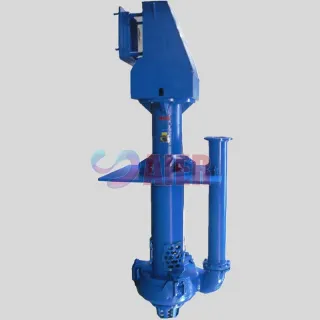
ڈبلیو وائی سمپ پمپ
-
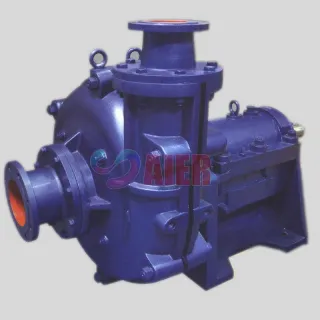
ڈبلیو زیڈ ہائی ایفینسی سلوری پمپ
-
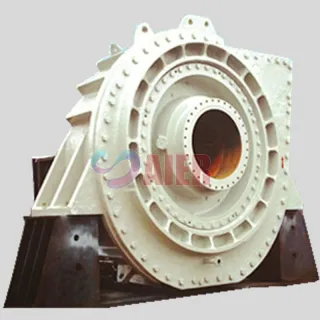
ڈبلیو این ڈریج پمپ
-
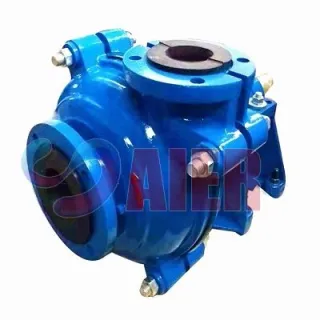
WAJ ربڑ سلوری پمپ
-
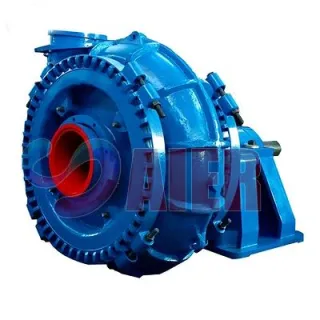
WS، WSG بجری ریت پمپ
-
ڈبلیو ایس، ڈبلیو ایس ایچ سلوشن پمپ
-
ڈبلیو وائی سمپ پمپ
-
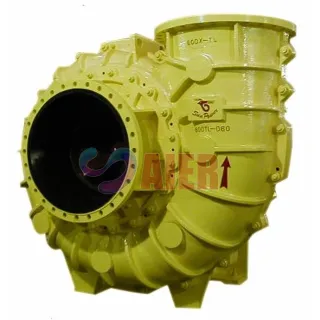
TL، TLR FGD پمپ
-
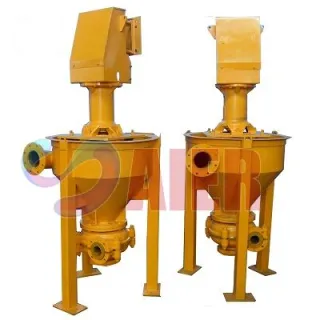
ڈبلیو پی عمودی فروت پمپ
-
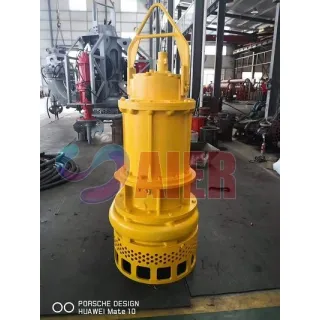
ZJQ سبمرسیبل سلوری پمپ
-
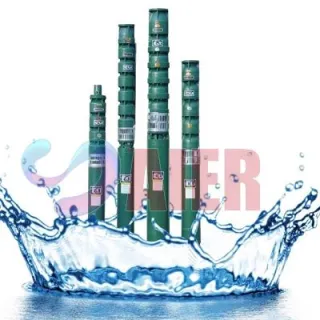
QJ سبمرسیبل پمپ
-
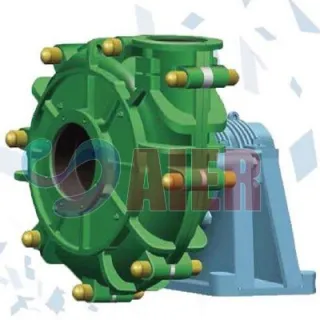
ACT (ZCT) سیرامک سلوری پمپ
-
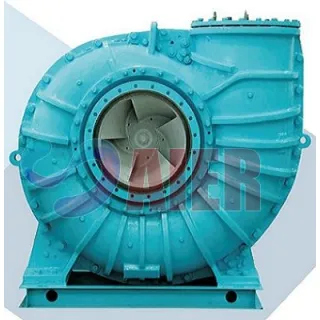
بی سی ٹی سیرامک سلوری پمپ