
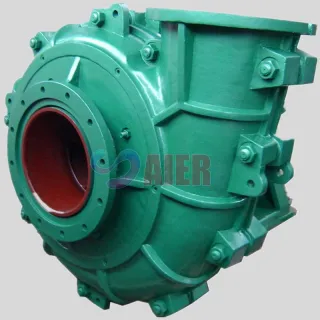


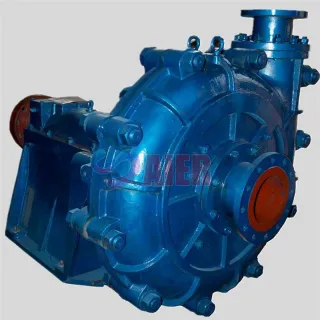
Hungary's industrial landscape is characterized by a strong manufacturing base and a significant reliance on mining and water resource management. In these sectors, the deployment of a robust slurry pump is critical for transporting abrasive materials without premature wear. The geographic distribution of industrial clusters in the region demands equipment that can handle varying viscosity and particle sizes, ensuring that production lines remain operational with minimal downtime.
Municipalities across Hungary are currently upgrading their water treatment facilities to meet stricter European environmental standards. This transition has increased the demand for high-efficiency sewage pump systems capable of handling organic waste and grit. The focus has shifted from simple fluid movement to energy-efficient transport, where the total cost of ownership is reduced through smarter pump selection and precise flow control, catering to the specific urban density of Hungarian cities.
From an operational perspective, procurement managers in Hungary are increasingly prioritizing long-term reliability over initial acquisition costs. The integration of advanced materials in a water pump system allows for better resistance against the local mineral composition of water sources. As the industry moves toward automation, there is a clear trend toward integrating smart monitoring to predict maintenance needs, reducing the risk of catastrophic failure in critical infrastructure.


