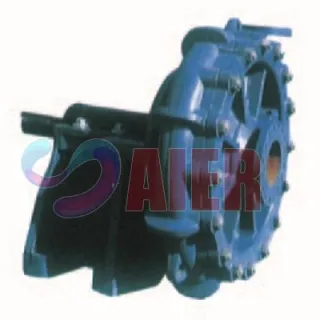
Heavy-Duty Pumping Equipment
Specialized machinery designed for abrasive materials and wastewater management.

hydrocyclone

Studs for Cover Plate and Frame Plate

Small Dredger, Marine Pontoon
Austrian Industrial Fluid Dynamics Analysis
Addressing the unique operational challenges of Central European industrial pumping requirements.
Austria's geography, characterized by its alpine terrain and river systems, necessitates specialized water management. The regional infrastructure often requires robust water pump systems capable of handling varying elevations and seasonal flow fluctuations in industrial zones.
Local industrial buyers typically prioritize long-term durability and energy efficiency. In the manufacturing and mining sectors, there is a significant demand for high-chrome alloy components to reduce wear when utilizing a sand pump for mineral processing.
Compliance with European environmental standards is paramount. Operational focus has shifted toward integrated systems that combine efficient transport of solids with strict leakage control, making the selection of high-specification sewage and slurry equipment a critical procurement priority.
Evolution of Abrasive Material Handling
Tracing the shift from basic mechanical transport to intelligent fluid management.
Industry Development Stages
-
Early Mechanical Adoption
Initial focus on basic centrifugal force for liquid movement with minimal resistance to abrasive solids. -
Material Science Optimization
Introduction of high-density alloys and rubber linings to extend the lifecycle of pumps handling ores and sands. -
System Integration Stage
Current shift toward modular systems that integrate pumping, filtration, and automated monitoring for maximum uptime.
Future Technical Trajectories
- Predictive Maintenance — Shifting from scheduled intervals to sensor-based wear monitoring to prevent unplanned shutdowns.
- Energy Recovery — Implementing variable frequency drives to optimize power consumption based on real-time slurry density.
- Modular Customization — Designing interchangeable pump components to adapt to different fluid viscosities without full system replacement.
Strategic Trends in Pumping Technology
Four critical dimensions shaping the future of industrial fluid transport.
Operational Automation
Integration of PLC controllers to automate flow rates and pressure adjustments in real-time.
Material Durability
Adoption of nano-ceramic coatings to drastically reduce friction and erosion in high-velocity slurry streams.
Sustainability Focus
Reducing the carbon footprint of heavy machinery through optimized hydraulic designs and leaner motor profiles.
Supply Chain agility
Implementation of modular spare part kits to ensure minimal downtime during maintenance cycles.
Industrial Fluid Outlook
Over the next five years, the demand for specialized pumping solutions will be driven by the modernization of wastewater treatment and the transition toward circular economy minerals processing. Buyers will increasingly shift from purchasing standalone hardware to requesting integrated performance-based solutions.
The commercial impact will be felt in the reduction of operational expenditure (OPEX) as smarter, more durable pumps decrease the frequency of component replacement and energy waste, particularly in high-abrasion environments.
Local Application Frameworks
How specialized pumping technology is deployed in various Austrian industrial contexts.
1
Municipal Wastewater Management
Implementation of a high-capacity sewage pump system to handle urban runoff and industrial effluent, ensuring compliant discharge into local waterways.
2
Riverbed Restoration and Maintenance
Utilizing a specialized dredge pump for the removal of sediment from navigation channels and environmental dredging projects.
3
Mining and Mineral Processing
Deployment of heavy-duty pumps for the transport of tailings and mineral slurries, where high abrasion resistance is required to maintain flow.
4
Industrial Cooling Systems
Applying high-efficiency water transport solutions to manage thermal loads in manufacturing plants, ensuring stable temperature control for machinery.
5
Construction Site Dewatering
Using robust sand and water pumping equipment to clear excavation sites of groundwater and silty deposits during infrastructure expansion.
Aier Machinery's Engineering Heritage
Dedicated to excellence in abrasive fluid handling and industrial pumping innovation.
05
2005
Company Foundation
Aier Machinery Hebei Co., Ltd. was established with a focus on developing high-quality industrial pumps for challenging environments.
Dev
Growth Phase
Specialization in Heavy-Duty Pumps
The company expanded its technical capabilities to become a major manufacturer specialized in slurry, dredge, and FGD pumps.
Now
Current Status
Global Recognition
Recognized worldwide for adhering to a philosophy of "Moral Team, Quality Products, Brand Service" and commitment to continuous product restructuring.
Industrial Solutions for Austria
Tailored pumping systems designed to meet strict regional operational and environmental standards.


Technical FAQ: Industrial Pumping in Austria
Expert answers to common procurement and engineering questions.
How do I choose the right slurry pump for abrasive minerals?
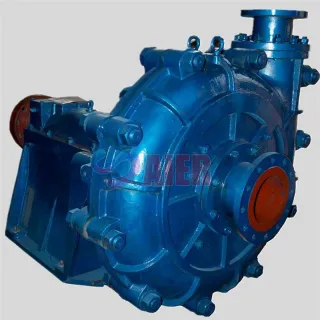
Selection should be based on the fluid's solid concentration, particle size, and abrasive nature. For high-abrasion minerals, high-chrome alloy liners are recommended. We suggest evaluating the total dynamic head (TDH) and required flow rate to determine the optimal impeller design.
What considerations are necessary for dredge pump installations in European riverbeds?
Key considerations include sediment density, environmental regulations regarding turbidity, and the depth of the dredging area. Equipment must be compatible with local power grids and capable of handling varying mixtures of sand and organic matter.
Can sewage pumps be integrated into existing municipal networks in Austria?
Yes, provided they meet regional efficiency and noise pollution standards. Modern systems utilize variable frequency drives (VFDs) to integrate seamlessly with automated municipal control centers for optimized energy use.
What are the primary cost drivers when procuring industrial water pumps?
The main drivers are material specifications (e.g., stainless steel vs. cast iron), energy efficiency ratings, and the requirement for customized fittings. Long-term value is found in pumps with lower maintenance frequencies and higher energy efficiency.
How does Aier Machinery ensure the quality of pumps for international delivery?
We adhere to a strict "Quality Products" policy, implementing rigorous testing protocols for every unit. Our commitment to product innovation and restructuring ensures that equipment meets the specific technical requirements of our global clients before shipment.
What is the typical maintenance cycle for a sand pump in high-load environments?
Cycles vary based on the concentration of solids. Generally, we recommend a comprehensive inspection of the impeller and liners every 3 to 6 months. Using high-wear resistant materials can significantly extend these intervals.
Consult Our Pumping Specialists
Discuss your specific technical requirements and project goals for fluid management systems in Austria.
Contact Us Now