

The Netherlands presents a unique engineering challenge due to its geography, with significant portions of land below sea level. This necessitates a constant reliance on a sophisticated network of dikes, pumps, and canals. The demand for a high-efficiency water pump is not merely industrial but existential, ensuring that polders remain dry and urban centers protected from flooding.
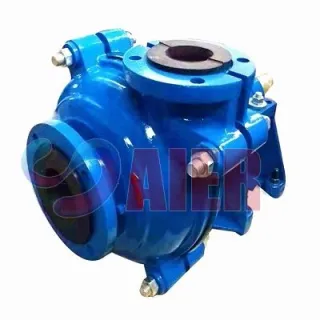
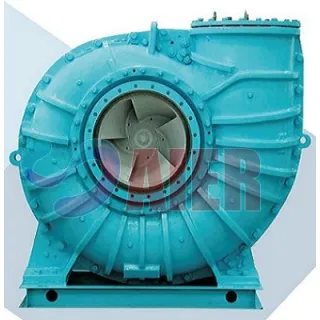
In the industrial sector, the prevalence of dredging for harbor maintenance and land expansion has made the sand pump essential. Dutch ports, such as Rotterdam, require continuous sediment removal to maintain navigable depths, pushing the local market toward equipment that can handle high abrasive loads without frequent downtime.
Furthermore, the stringent EU environmental regulations in the Netherlands have shifted the focus toward the sewage pump market, emphasizing energy efficiency and the reduction of leakage. The integration of smart sensors and variable frequency drives is now a standard requirement for municipal water treatment facilities across the provinces.